





What is Monsoon Withdrawal?
Unlike its dramatic arrival, the monsoon’s departure is a far more gradual affair. It doesn’t end on a single day but retreats over a period of roughly five to six weeks. The India Meteorological Department (IMD) has specific criteria to declare withdrawal
from a region. These include the cessation of rainfall for five consecutive days, a significant drop in moisture levels, and the establishment of an anticyclone—a high-pressure system that brings dry, settled weather—in the lower atmosphere. This entire process marks a reversal of the large-scale wind patterns that bring rain to the subcontinent.
The Telltale Signs of Retreat
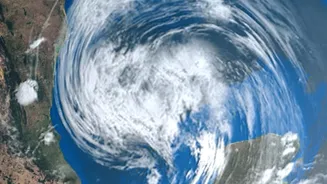
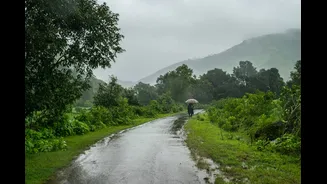
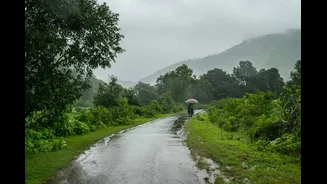
For the common person, the signs are more sensory. It begins with less frequent and intense rainfall. The character of the clouds changes, with vast stretches of the country appearing almost cloud-free in satellite imagery. Humidity levels start to drop, and the air, especially in the mornings and evenings, feels less oppressive. In northwest India, the first region to see the withdrawal, this shift is most pronounced. You might notice clearer skies, a reduction in daytime cloud cover, and a general feeling that the season is turning.
This Year's Progress: The September 2026 Update
As of early September 2026, the monsoon has entered its last phase, but the official withdrawal has not yet begun. While satellite images show a dramatic reduction in cloud cover over northwest and central India, forecasters note this only signals weakening activity. The IMD typically doesn't attempt withdrawal from the extreme north-western parts of the country before September 1st. The normal date for withdrawal to commence from West Rajasthan is around September 17. Current weather models suggest conditions will become increasingly favourable for the retreat in the second half of the month, with an anticyclone likely strengthening over northwest India around September 21. However, the season remains erratic, with active rainfall still predicted for some central and northern states like Madhya Pradesh, Himachal Pradesh, and Uttarakhand through mid-September.
Why the Timing of Withdrawal Matters
The timing of the monsoon's retreat is crucial for India’s agriculture and water security. A timely withdrawal is essential for harvesting summer-sown (Kharif) crops like rice, soybeans, and cotton. Rain during harvest can damage standing crops and reduce their quality. Conversely, the moisture left behind by the retreating monsoon is vital for the sowing of winter (Rabi) crops like wheat and mustard, as it determines the soil's moisture content. A delayed withdrawal can disrupt this delicate agricultural calendar, impacting crop yields and, consequently, food prices and farmer incomes. This year's overall monsoon has seen a rainfall deficit, attributed to strong El Nino conditions, which makes the timing of the final rains even more critical.
A Staggered, Regional Goodbye
It’s important to remember that the monsoon's withdrawal is a journey, not a destination. It begins in the northwest, typically around Rajasthan, in mid-September. From there, the line of withdrawal moves southeast across the country. It can take until mid-October for the monsoon to retreat completely from the peninsula, paving the way for the northeast monsoon to set in over southern states like Tamil Nadu. This means that in late September, it's entirely possible for Delhi to be experiencing dry, post-monsoon weather while Kerala is still receiving heavy monsoon showers. This staggered process is a fundamental part of India's complex and fascinating weather cycle.