



Start with Containers
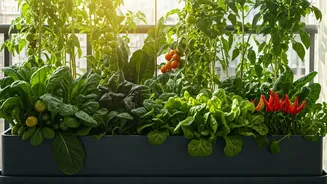
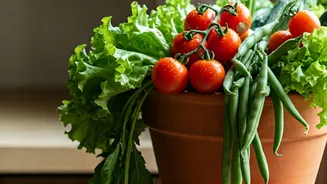
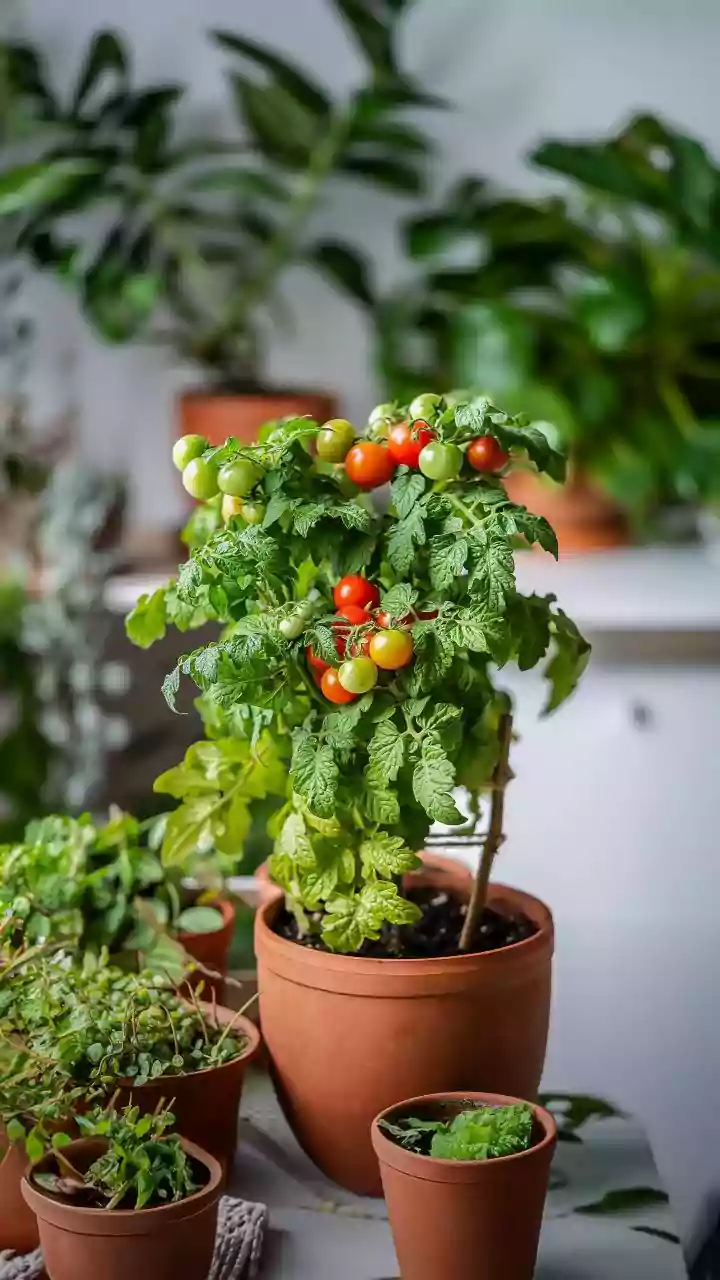
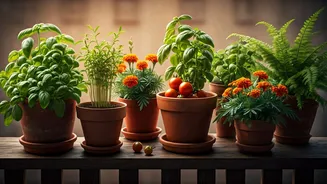
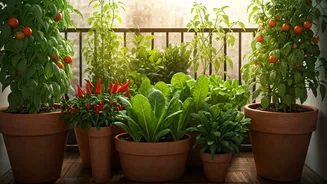
Container gardening is the gateway to urban farming. It’s flexible, manageable, and perfect for beginners. Forget needing a sprawling lawn; your balcony, patio, or even a sunny doorstep is your new garden bed. Terracotta pots are a classic choice as they
are porous and allow soil to breathe, preventing waterlogging. However, they are heavy and fragile. Lighter plastic or recycled pots are great alternatives, but ensure they have drainage holes at the bottom. Without proper drainage, water will pool and rot the roots of your plants. Start with a few medium-sized pots (8-12 inches) rather than overwhelming yourself with a dozen. This allows you to learn the ropes of watering and care on a smaller scale.
Master Your Soil and Sunlight
You can’t just scoop soil from a park. Garden soil is too dense for pots, compacts easily, and can harbour pests. Instead, invest in a good quality potting mix. This is a lighter, sterile blend of materials like coco peat (coir), compost, and perlite, designed to hold moisture while allowing for excellent drainage. You can buy pre-made mixes or create your own. Next, become a sun-detective. Before you buy any plants, observe your chosen spot throughout the day. Does it get direct, harsh sunlight for more than 6 hours? That’s ‘full sun’. Or is it bright but mostly shaded, getting 4-6 hours of gentle morning sun? That’s ‘partial shade’. Knowing your sunlight is crucial, as a sun-loving tomato plant will fail in a shady corner, and delicate mint will scorch in harsh afternoon rays.
Easiest Plants for Indian Kitchens
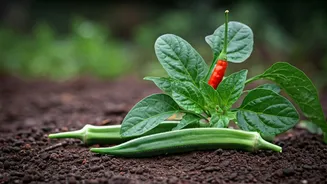
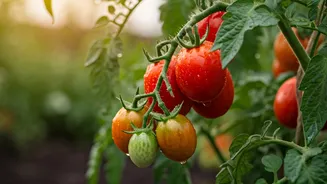
The key to staying motivated is early success. Start with plants that are hardy and frequently used in Indian cooking. For herbs, there’s nothing better than a pot of mint (pudina) for your chutneys and summer drinks, or a pot of holy basil (tulsi) for your morning chai. Coriander (dhaniya) can be grown for its leaves, and a curry leaf plant (kadi patta) in a large pot is a fantastic long-term investment. When it comes to vegetables, chillies are incredibly easy and productive in pots. A single plant can give you a steady supply. Cherry tomatoes are another winner, as they are less fussy than their larger cousins. Leafy greens like spinach (palak) and fenugreek (methi) grow quickly from seed and can be harvested multiple times.
Think Vertically, Not Just Horizontally
When you can’t build out, build up. Vertical gardening is a space-saving revolution for small apartments. This can be as simple as using hanging baskets for trailing plants like cherry tomatoes or strawberries. You can also install wall-mounted planters or shelves to create a living green wall. These are perfect for growing a variety of herbs like oregano, thyme, and mint. Another popular option is a tiered or stacking planter, which allows you to grow multiple plants in the same footprint. This method is ideal for leafy greens and herbs, turning a barren wall or railing into a productive, lush feature.
Create a Windowsill Herb Garden
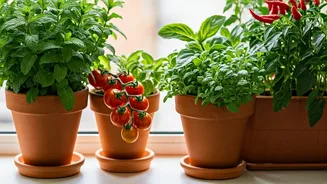
Even if you have no balcony at all, you can still grow your own food. A sunny windowsill is a micro-garden waiting to happen. This is the perfect spot for a culinary herb garden. Imagine snipping fresh coriander, mint, or basil directly onto your plate. Use small individual pots or a rectangular window box. Most herbs thrive with the 4-6 hours of sunlight a typical window provides. You can also grow microgreens—tiny, edible seedlings of vegetables and herbs—on your windowsill. They are packed with nutrients, grow in just a week or two, and add a gourmet touch to salads and sandwiches.
Smart Watering and Basic Care
The most common mistake beginners make is with watering—either too much or too little. The best way to check is the ‘finger test’. Stick your finger an inch into the soil. If it feels dry, it’s time to water. If it feels moist, wait another day. Plants in containers, especially terracotta, dry out faster than those in the ground. Water deeply until you see it run out the drainage holes. For feeding, you can mix in a slow-release organic fertiliser or compost at the time of planting. Later, you can supplement with a liquid feed like compost tea every few weeks during the growing season. Keep an eye out for pests and treat any infestations early with a simple spray of neem oil solution.