





The Heartbeat of Qatari Cuisine
Qatari cuisine is a rich tapestry of flavors, deeply rooted in Bedouin traditions and influenced by decades of trade and cultural exchange. The national dish, Machboos, is a fragrant, slow-cooked rice dish made with lamb, chicken, or fish and a unique
blend of spices called 'bizar', featuring cumin, coriander, and cinnamon. Another comforting staple is Harees, a porridge-like dish of ground wheat and meat, slow-cooked to perfection. These dishes, along with Saloona, a hearty meat and vegetable stew, form the foundation of local gastronomy. They are a testament to a culinary culture that values deep flavors, communal sharing, and fresh ingredients, from dates to the bountiful seafood of the Arabian Gulf.
Souq Waqif: A Feast for the Senses
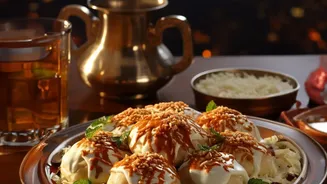
No culinary tour of Qatar is complete without a visit to Souq Waqif. As the sun sets, the historic market's winding alleyways come alive with the scent of cardamom, saffron, and grilled meats. Here, you can find everything from casual street food to traditional restaurants. Women sell paper-thin 'regag' bread from open-air stalls, often filled with cheese or honey. Restaurants like Parisa offer a dazzling Persian dining experience amid mosaic-covered walls, while Bandar Aden serves authentic Yemeni dishes where diners can sit on woven carpets. For a true taste of the souq's energy, try some fresh grilled hammour fish or lamb kebabs, followed by sweet, syrupy 'luqaimat' dumplings for dessert.
Doha’s World-Class Dining Scene
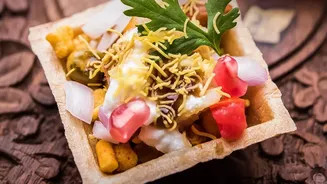
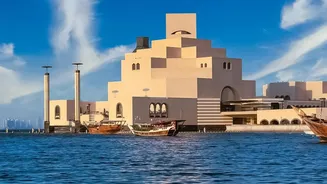
Beyond its traditional markets, Doha has blossomed into a global gastronomic hub, boasting an impressive collection of high-end restaurants and celebrity chef outposts. The Pearl-Qatar and Lusail are hotspots for luxury dining, offering everything from contemporary steakhouses to elegant Mediterranean cuisine. The city's status was cemented with the arrival of the Michelin Guide, which has awarded stars to restaurants like IDAM by Alain Ducasse, located in the Museum of Islamic Art, and Jamavar, which celebrates India's royal culinary traditions. Other globally renowned names like Nobu, Hakkasan, and COYA offer phenomenal fine-dining experiences, blending international culinary techniques with local influences against the backdrop of Doha’s glittering skyline.
Unique Culinary Adventures
For travelers seeking experiences beyond a restaurant table, Qatar offers a variety of unique food-centric adventures. A desert safari can culminate in a traditional Bedouin-style BBQ dinner under the stars, often featuring grilled meats and classic dishes prepared in a desert camp. Another quintessentially Qatari experience is a sunset dinner cruise on a traditional wooden dhow boat, offering stunning views of the Doha skyline while you dine on local delicacies. Food tours through Souq Waqif and other neighborhoods provide a guided journey into the heart of Qatar's food culture, with opportunities to sample a wide array of dishes and learn about their history. Cooking classes are also available, allowing visitors to learn the secrets of preparing dishes like machboos themselves.
The Culture of Karak and Coffee
In Qatar, beverages are central to hospitality and social life. While traditional Arabic coffee, or 'gahwa', is a symbol of welcome, the undisputed king of daily drinks is Karak chai. This strong, sweet, milky tea, spiced with cardamom, has its roots in South Asia but has been wholeheartedly adopted into Qatari culture. You'll find it everywhere, from roadside stalls serving drivers in their cars to chic modern cafés. It's more than a drink; it's a social ritual, a moment to pause, and a comforting taste of everyday life in Qatar. Enjoying a cup of karak with a 'chapati' flatbread is an essential, and affordable, local experience.