







The Unpredictable Monsoon Sea
The very idea of a deep-sea cruise is alluring—vast horizons, luxurious amenities, and exotic ports of call. However, the Indian monsoon, which typically lasts from June to September, turns the Arabian Sea and the Bay of Bengal into formidable forces.
Strong winds, high waves, and relentless rain can make for a turbulent journey. This often means cancelled shore excursions, limited access to open decks, and the very real possibility of seasickness, which is no fun for anyone, especially children and older family members. While cruise lines have advanced safety measures, the primary cruise season in India deliberately avoids the monsoon, running from October to April for a reason: smoother sailing and more predictable weather. Choosing a deep-sea cruise during the monsoon is a gamble on comfort and the overall experience.
Calm Waters and Guaranteed Scenery
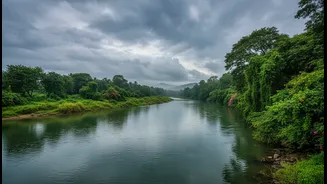
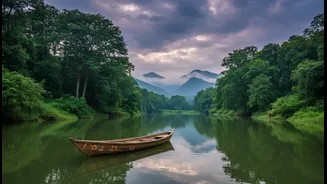
In stark contrast, inland waterways offer a sanctuary from the ocean's fury. River cruises, especially in places like the Kerala backwaters, the Sundarbans in West Bengal, or along the Ganges and Brahmaputra, provide a consistently smooth and serene experience. These vessels navigate sheltered canals, lakes, and rivers that are not subject to the ocean's violent swells. The result is a genuinely relaxing trip where you can enjoy the view without worrying about motion sickness. During the monsoon, these landscapes are at their most vibrant and beautiful. The rains transform the surroundings into a lush, green paradise, with waterfalls in full flow and paddy fields shimmering under the water. The journey itself becomes the destination, with breathtaking scenery constantly unfolding right outside your window.
An Intimate and Family-Focused Experience
Deep-sea cruise ships are floating cities, often carrying thousands of passengers. While they offer a wide array of entertainment, the sheer scale can be overwhelming for families. In contrast, river cruise vessels are much smaller, typically hosting between 20 to 200 guests. This fosters a more intimate and personal atmosphere. The crew can provide more attentive service, and it’s easier to keep an eye on children. The slower pace and shorter sailing distances mean more time to connect as a family. Activities are naturally geared towards the destination, such as watching village life unfold on the riverbanks, spotting wildlife, or enjoying a quiet board game while it drizzles outside—a far cry from the crowded kids' clubs and casinos on larger ships.
Cultural Immersion Over Onboard Distractions
River cruises excel at cultural immersion. They sail directly into the heart of regions, allowing for easy access to villages, temples, and local markets without long bus transfers from a coastal port. In Kerala, you can witness the daily life of communities along the backwaters from your houseboat. A cruise through the Sundarbans offers a front-row seat to one of the world's most unique ecosystems and a chance to see wildlife. A journey on the Ganges can feel like a spiritual and historical pilgrimage. This focus on the destination provides a richer, more educational experience for children and adults alike, creating lasting memories that go beyond the ship's amenities.
Convenience, Accessibility, and Value
For many Indian families, river cruise departure points are far more accessible than the major seaports of Mumbai, Goa, or Chennai. You can often drive to starting points in Kerala, Assam, or West Bengal. Trips can also be more flexible, ranging from a single-day tour to a week-long journey, making them easier to fit into a family's schedule and budget. While luxury river cruises exist, many options, like the houseboats in Kerala, offer excellent value. The experience is inherently all-inclusive in a different way—the views, the tranquility, and the close connection to the surroundings are part of the package, without the constant pressure to spend on extra activities onboard.