





The Rhythm of Rain is Changing
For generations, the Indian monsoon was defined by its rhythm: months of steady, reliable rainfall that replenished rivers, nourished crops, and cooled the scorching land. This predictable pattern was the lifeblood of the subcontinent. However, this rhythm is breaking.
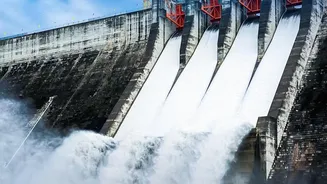
While the total volume of rainfall during the monsoon season is, in many regions, decreasing or becoming more erratic, the nature of that rain has become more menacing. Scientists have observed a clear and worrying trend: a decrease in the number of moderate rainy days and a sharp, threefold increase in the number of days with extreme rainfall since 1950. Instead of a gentle, season-long shower, the monsoon now often arrives in violent, unpredictable bursts. Long dry spells are punctuated by torrential downpours that unload a massive volume of water in just a few hours or days. This shift from steady rain to sudden deluges is the heart of the paradox.
Warmer Air, Wetter Storms
The primary driver of this change is a warming climate. Basic physics dictates that for every degree Celsius of warming, the atmosphere can hold about 7% more moisture. India's surrounding seas, particularly the Arabian Sea, are warming faster than the global average. This creates a supercharged system where more water evaporates into the air. When weather systems like monsoon depressions form, they now have access to a much larger reservoir of moisture. The result is that when it does rain, it pours with an intensity that older climate models and infrastructure were never designed to handle. A storm system that might have produced a steady drizzle decades ago can now unleash a catastrophic cloudburst. So, even if the total number of rainy days decreases, the days that do see rain are capable of causing far more damage.
Our Cities Have Forgotten How to Absorb Water
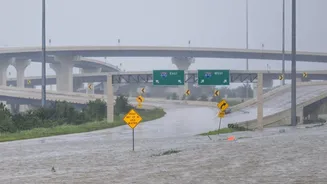
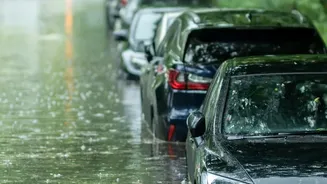
This new pattern of rainfall is especially dangerous for India's rapidly growing cities. Unplanned urbanisation has turned what should be manageable downpours into full-blown crises. Concrete and asphalt have replaced soil and greenery, creating vast, impermeable surfaces where water cannot be absorbed. Floodplains, wetlands, and lakes—the natural sponges that once soaked up excess rainwater—have been encroached upon and built over. Compounding the problem are outdated and overwhelmed drainage systems. Many urban drains were designed decades ago for much lower rainfall intensities and are now often clogged with waste and sewage. When a short, intense burst of rain hits, the water has nowhere to go but into streets, homes, and businesses. Studies show that this kind of urbanisation can increase flood peaks by up to eight times.
The Double Threat of Drought and Flood
The paradox extends beyond just flooding. The same phenomenon of fewer rainy days creates another serious problem: drought. Long dry spells between the intense deluges can stress agricultural systems that depend on consistent moisture. Farmers are caught in a precarious position, facing the risk of their crops both withering from lack of water and being washed away by sudden floods in the same season. This erratic behaviour affects everything from crop yields and food security to the replenishment of groundwater and reservoirs. The changing monsoon is no longer just a story about floods; it's a story about water management in its entirety, where the country can simultaneously experience too much water and too little. This makes long-term planning for agriculture and water security incredibly challenging.