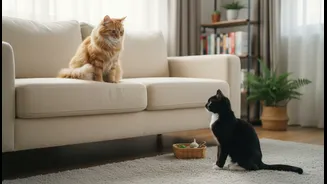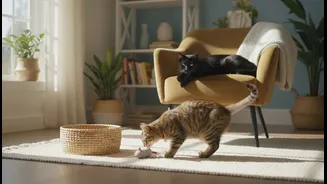

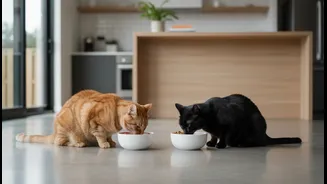


Mistake 1: Rushing the Introduction
The most common and critical error is allowing the cats to meet face-to-face on the very first day. Imagine a stranger suddenly appearing in your home and using your things; that's how your resident cat feels. This 'home invasion' scenario creates a classic
'fight or flight' response, triggering fear and aggression that can be difficult to undo. Instead, a slow, gradual introduction is crucial. The process can take anywhere from a few weeks to several months, depending on the cats' personalities. Patience at this stage sets the foundation for a peaceful future.
Mistake 2: Ignoring the Power of Scent
Cats communicate heavily through scent. Failing to use this to your advantage is a missed opportunity for a smoother transition. Before the cats ever see each other, they should become familiar with each other's smell. Start by preparing a separate, dedicated 'safe room' for the new cat, complete with its own food, water, litter box, and bedding. Then, begin 'scent swapping.' Take a blanket or toy from each cat and place it in the other's space. This allows them to investigate the newcomer's smell in a non-threatening way, making the eventual face-to-face meeting less of a shock.
Mistake 3: Creating Resource Competition
Conflict between cats often boils down to competition for resources. Forcing them to share a single food bowl, water dish, or litter box is a recipe for disaster. Cats need to feel secure in their access to essentials. The golden rule is to provide one resource per cat, plus one extra. This means if you have two cats, you should have at least three litter boxes, and separate feeding and watering stations. These resources should also be placed in different locations to prevent one cat from 'guarding' them all and intimidating the other.
Mistake 4: Forcing Interactions
You cannot force cats to become friends. Holding them together, putting them in a carrier, or otherwise forcing physical proximity will only create negative associations and increase stress. The goal is to help them associate each other's presence with positive experiences. A great technique is to feed the cats on opposite sides of the closed door to the new cat's room. They will hear and smell each other while enjoying a meal, creating a positive link. As they become comfortable, you can introduce short, supervised visual meetings through a baby gate or a cracked door.
Mistake 5: Misinterpreting Body Language
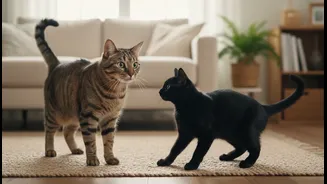
It's vital to understand what the cats are telling you through their behavior. Hissing, growling, and swatting are clear signs of stress and fear. A cat with dilated pupils, ears turned back, and a twitching tail is feeling threatened. Ignoring these signals and pushing the cats to interact further can lead to a full-blown fight. Pay close attention during their initial supervised meetings. If you see signs of escalating tension, calmly separate them and go back a step in the introduction process. Keep initial sessions short and end on a positive note.
Mistake 6: Punishing Natural Behavior
Hissing and growling are not signs of 'bad' behavior; they are communication. A cat hisses to say, "I'm uncomfortable, stay back." Punishing this behavior by shouting or spraying water is counterproductive. It won't stop the cat from feeling threatened, but it might teach it to stop giving a warning before attacking. Furthermore, your cat may begin to associate the punishment not only with the other cat but also with you, damaging your bond. Instead of punishing, focus on de-escalating the situation by calmly creating more space between them and reinforcing positive, calm moments with treats and praise.