


The New Urban Exodus
The dream of escaping the urban grind is no longer exclusive to those in sprawling Tier 1 metropolises. Professionals in rapidly growing Tier 2 cities like Pune, Jaipur, and Coimbatore are experiencing their own version of burnout, fueled by increasing
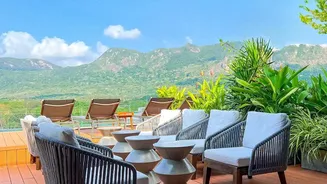
traffic, rising costs, and the relentless pace of city life. The post-pandemic normalisation of remote work has presented a tantalising alternative: the 'green workation'. This trend sees employees packing their laptops and heading not just for a vacation, but for a temporary, nature-immersed workspace. Instead of a crowded coworking space, their new office is a homestay balcony overlooking acres of lush greenery.
Coorg: The Perfect Green Office
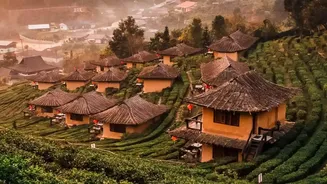
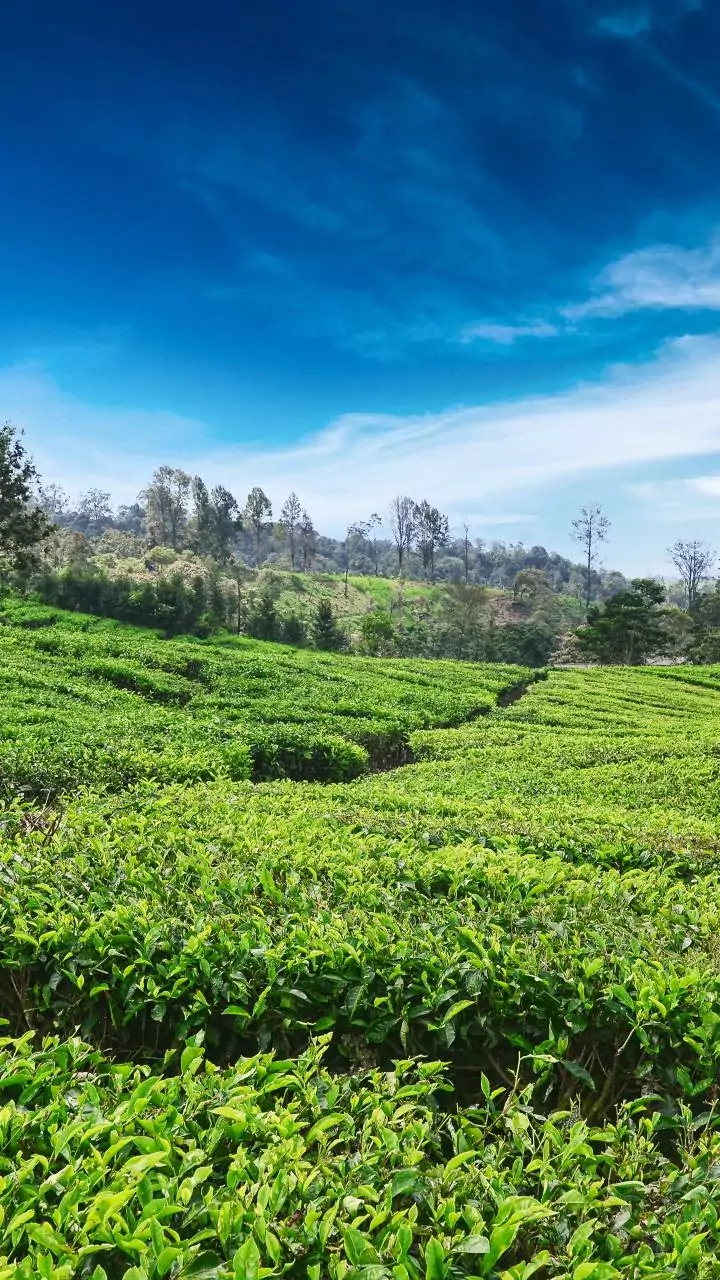
Known as the 'Scotland of India', Coorg has emerged as a premier destination for this new tribe of digital nomads. Its allure lies in a unique combination of factors: misty hills, a pleasant climate, and the sprawling, tranquil coffee plantations that define its landscape. The region's economy, historically rooted in coffee, pepper, and cardamom, is perfectly suited to hosting those in search of peace. Estate owners and local entrepreneurs have quickly adapted, converting heritage bungalows and building new homestays specifically designed for remote workers, offering the quiet and solitude that city life lacks.
A Day in the Life of a Workationer
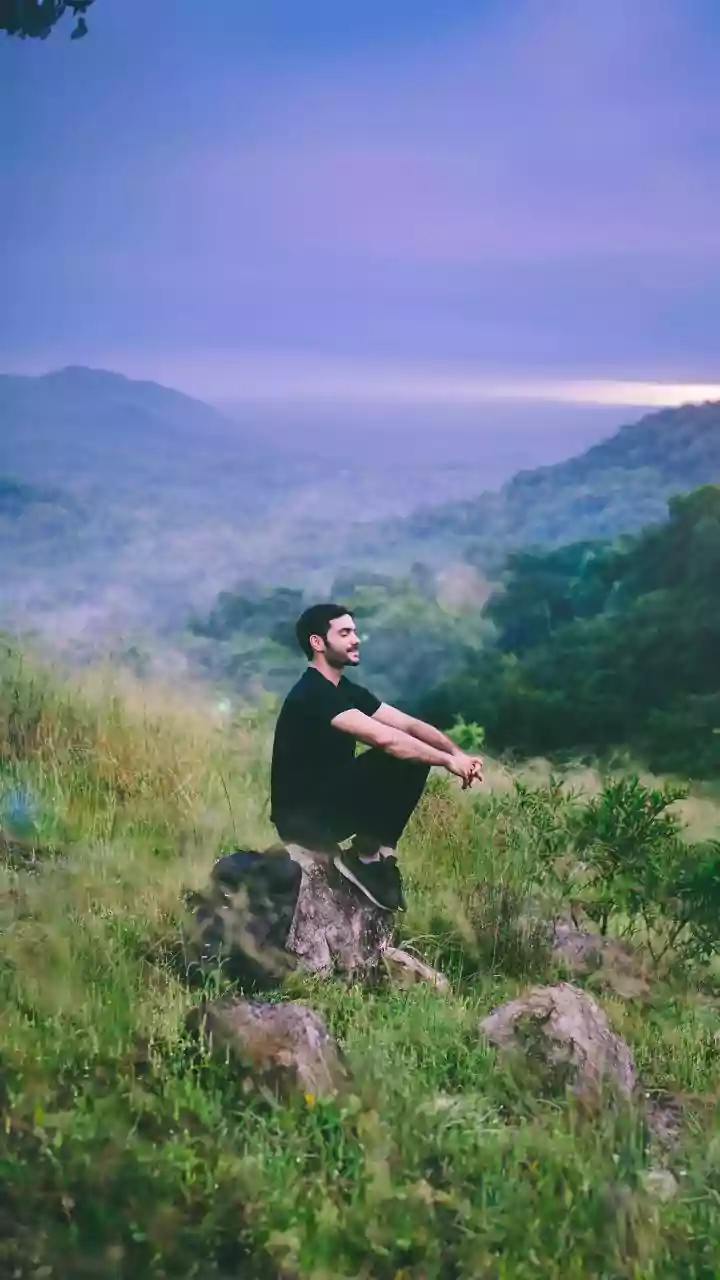
Imagine a workday that begins not with a blaring alarm and a traffic-choked commute, but with the chirping of birds and a walk through dew-kissed coffee plants. The morning is fueled by a cup of freshly brewed local coffee before settling into a dedicated workspace with a view that inspires creativity. Work sessions are punctuated by the quiet hum of nature, a far cry from the cacophony of an open-plan office. After logging off, the evening offers not a crowded gym or a noisy bar, but a chance to trek through the forest, read a book by a bonfire, or simply gaze at a star-filled sky. This blend of productivity and tranquility is the core promise of a Coorg workation.
Connectivity Amidst the Coffee
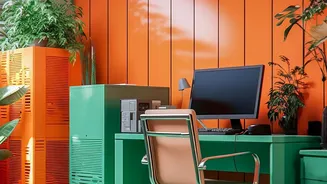
The primary concern for any remote professional—internet connectivity—is being actively addressed by Coorg's hospitality sector. Many homestays and boutique resorts now advertise high-speed Wi-Fi as a key amenity, understanding that their new clientele needs to be reliably connected for video calls and deadlines. Properties are specifically marketed as being remote-work-friendly, guaranteeing not just a connection, but also power backups and dedicated, ergonomic work desks. This focus on practical needs ensures that the rustic charm of plantation life doesn't come at the cost of professional efficiency.
More Than Just a Change of Scenery
The benefits of these green workations extend beyond a nice view. Studies have shown that exposure to nature and green spaces can significantly reduce stress, improve concentration, and boost overall productivity and well-being. Employees return to their permanent bases feeling rejuvenated, not exhausted like they might after a packed holiday. This trend also provides a vital economic boost to rural areas like Coorg. It creates a sustainable tourism model where remote workers support local businesses, from cafes to grocery stores, contributing to the local economy over a longer period than a typical tourist would.
The Reality of the Retreat
While idyllic, the workation lifestyle isn't without its challenges. It requires a high degree of self-discipline to stay focused on work when surrounded by nature's temptations. Occasional internet dropouts can still happen in remote areas, and the quiet isolation that is a draw for some can feel lonely to others. It's less of a permanent holiday and more of a conscious lifestyle choice that blends work responsibilities with the pursuit of a better quality of life. The success of a workation depends on finding the right balance between logging on and switching off.