








From Spenders to Savvy Savers
The stereotype of youth is one of carefree consumption, but for Gen Z (those born between 1997 and 2012), that picture is fading fast. Unlike millennials who entered the workforce with a degree of economic optimism, Gen Z grew up in the shadow of global
financial crises, economic slowdowns, and the unprecedented disruption of the COVID-19 pandemic. This has bred a generation of financial pragmatists. Surveys consistently show that a significant portion of Indian Gen Z started saving and thinking about financial planning in their teens. They aren't just putting money aside; they are driven by a powerful desire for financial security and independence, viewing money not just as a means to spend but as a tool for building a stable future in an unstable world.
The Rise of the Digital Investor
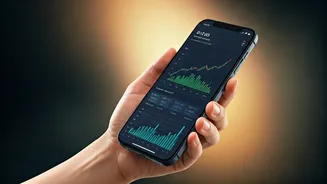
For previous generations, investing often meant navigating complex paperwork and relying on traditional financial advisors. For Gen Z, it’s as simple as downloading an app. The explosion of fintech platforms like Zerodha, Groww, and Upstox, combined with the ubiquity of UPI, has democratised investing. This generation is digitally native, and their comfort with technology extends to their finances. They are more likely to start a Systematic Investment Plan (SIP) with a small amount, trade stocks directly from their smartphones, and explore a wider range of assets. While some dabble in high-risk, high-reward avenues like cryptocurrencies, a larger, more silent trend is their disciplined approach to long-term wealth creation through mutual funds and equities. They are starting earlier, learning faster, and leveraging technology to bypass traditional barriers to entry.
A Deep-Seated Aversion to Debt
Having witnessed the struggles of older millennials burdened by student loans and credit card debt, Gen Z is noticeably more cautious about borrowing. While they are not entirely against credit, they are wary of its pitfalls. This has fuelled the popularity of 'Buy Now, Pay Later' (BNPL) services, which are often perceived as more manageable, interest-free alternatives to traditional credit cards. However, their primary goal remains to live within their means. This caution extends to major life purchases. The dream of owning a home or a car is still present, but it’s tempered by a realistic assessment of the financial commitment involved. Many prefer to delay these purchases until they have a solid financial foundation, prioritising a debt-free lifestyle over the pressure to acquire assets quickly.
Learning from 'Fin-fluencers'
Where do they learn about money? Increasingly, it’s from social media. Financial influencers, or 'fin-fluencers,' on platforms like YouTube, Instagram, and X (formerly Twitter) have become a primary source of financial education for many young Indians. These creators break down complex topics like stock market analysis, tax planning, and budgeting into digestible, engaging content. This has been a double-edged sword. On one hand, it has dramatically improved financial literacy and accessibility. On the other, it exposes young, impressionable investors to potential misinformation and high-risk speculative advice. The savvy Gen Z consumer is learning to distinguish credible advice from hype, but the influence of social media on their financial decisions is undeniable and growing.
Redefining Financial Success
Gen Z’s financial goals often look different from those of their parents. While stability is key, their definition of a 'good life' is more flexible and experience-oriented. The concept of Financial Independence, Retire Early (FIRE) has gained significant traction, with many aiming to build enough wealth to have options later in life, rather than being tied to a single career path until their 60s. Their financial planning is often geared towards goals like funding international travel, starting a side hustle or small business, or having the freedom to take career breaks. For them, wealth is not just about accumulating possessions; it's about buying freedom, flexibility, and experiences.