





The Concrete Jungle Challenge
In our rapidly growing cities, green spaces are shrinking. Parks, gardens, and patches of wildflowers are often replaced by buildings and roads, creating vast 'food deserts' for the tiny creatures that are essential to our ecosystem. Pollinators—including
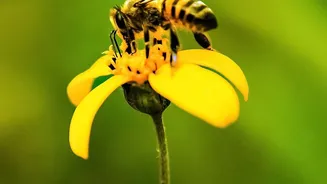
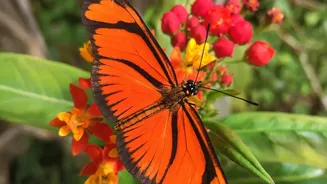
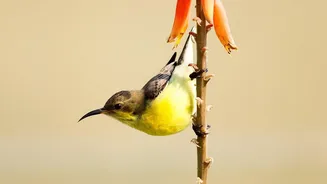
hundreds of species of native bees, butterflies, moths, and birds—are crucial. They are responsible for helping nearly 90% of the world's wild flowering plants to reproduce. Without them, many of the fruits, vegetables, and seeds that we rely on would not develop. Yet, in urban landscapes, these vital workers struggle to find enough nectar and pollen to survive. This fragmentation of habitat makes it difficult for them to travel, feed, and nest.
Your Balcony, Their Buffet
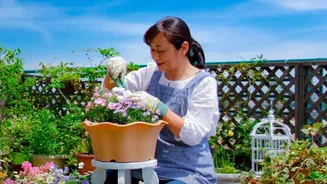
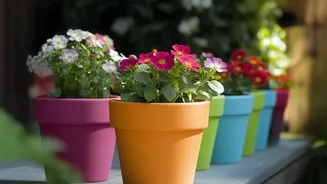
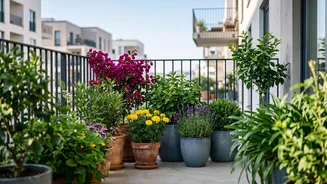
The good news is that you don't need a sprawling garden to make a significant difference. A few pots on a balcony, a window box, or a small patch on a terrace can become a lifeline for urban pollinators. Together, these small green spaces create a network of mini-hashtags, or 'pollinator corridors', that bridge the gaps in the urban landscape, helping insects move and find sustenance. By choosing the right plants, you can turn even the most modest urban space into a nectar-rich pitstop, offering a consistent food source and attracting these delightful visitors. This simple act not only supports local biodiversity but also brings a touch of wild nature to your doorstep.
Marigold (Genda): The Cheerful All-Rounder
Marigolds are a fixture in many Indian households for good reason. These bright, cheerful flowers in shades of yellow and orange are incredibly easy to grow and are exceptionally hardy, tolerating a range of climates. Their open-faced blooms provide an easy-to-access source of nectar for a wide variety of pollinators, especially butterflies and bees. Marigolds have a long blooming period, ensuring a steady food supply for insects throughout the season. As an added bonus, they are known to naturally repel certain garden pests, making them a practical and beautiful choice for any balcony garden.
Basil (Tulsi): The Sacred Herb and Pollinator Magnet
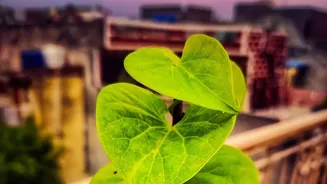
While revered for its medicinal and spiritual significance, the humble Tulsi plant is also a powerhouse for attracting pollinators. When allowed to flower, its tiny, delicate blossoms produce a surprising amount of nectar that is irresistible to small bees and butterflies. Tulsi is exceptionally well-suited to the Indian climate, thriving in sunny spots and well-drained pots. Regularly pinching off the leaves for your tea encourages the plant to become bushier, but allowing some stems to flower will create a continuous feast for beneficial insects, adding another layer of life to your sacred plant.
Hibiscus: Big Blooms for Bigger Visitors
The large, dramatic flowers of the hibiscus are like a welcome mat for pollinators. Their wide, sturdy petals offer a perfect landing pad for larger butterflies and sunbirds. Deep within the bloom is a generous supply of nectar that keeps them coming back for more. While many ornamental hybrids exist, native hibiscus varieties are often the most beneficial for local wildlife. These plants love sunshine and need regular watering to produce their spectacular flowers, but the reward is a vibrant display that serves as a crucial food source for some of the most colourful visitors to your garden.
Lantana: A Hardy and Colourful Choice
If you're looking for a low-maintenance plant that delivers a big impact, Lantana is an excellent option. Known for its clusters of small, multi-coloured flowers, this drought-tolerant shrub is a favourite among butterflies. It thrives in full sun and can withstand hot, dry conditions, making it perfect for sun-drenched Indian balconies. The dense flower heads contain dozens of individual florets, creating a rich buffet that can keep multiple pollinators busy at once. Its resilience and long flowering season mean you can provide a reliable food source with minimal effort.