





The End of an Instant Era
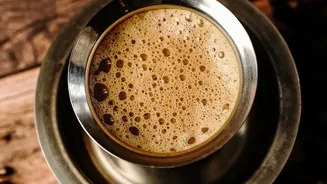
For decades, the Indian coffee experience was defined by two extremes: the comforting, milky sweetness of traditional filter kaapi in the south, and the convenience of instant coffee powder in kitchens nationwide. Coffee was a functional beverage, a quick
morning fix. But in urban centres like Bengaluru, Mumbai, and Delhi, this is rapidly changing. Walk into any trendy cafe today, and you are more likely to hear passionate debates about brewing methods like pour-overs and AeroPresses than requests for a simple, undifferentiated cup. This shift marks India's journey through the 'waves' of coffee culture—from coffee as a mass-produced commodity to coffee as an artisanal craft. The market for specialty coffee, valued at over USD 3 billion in 2025, is projected to more than double within the next decade, a testament to this profound cultural change.
Decoding the Coffee Jargon
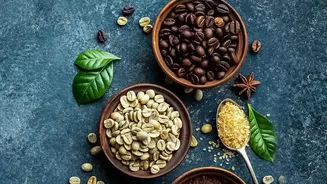
So, what exactly is this “specialty coffee” that has everyone so excited? Unlike commercial coffee, which is often a blend of beans from various places, specialty coffee prioritises traceability and quality. The term “single-origin” means the beans come from a single known geographic location, be it a country, a region, or a cooperative of farms. Taking it a step further, “single-estate” coffee comes from one specific farm or plantation. This level of transparency allows drinkers to taste the unique “terroir”—the specific character of the soil, climate, and altitude—of a particular hillside. For many young enthusiasts, this story behind the cup, knowing exactly where their coffee was grown and by whom, is as important as the taste itself.
South India: The Heart of the Movement
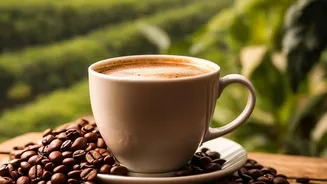
India's coffee story begins and is still centred in the lush Western Ghats of the South. The states of Karnataka, Kerala, and Tamil Nadu produce the vast majority of the country's coffee, with Karnataka alone accounting for over 70%. Regions like Chikmagalur, often called the birthplace of Indian coffee, along with Coorg, the Shevaroy Hills, and the Araku Valley, are gaining recognition for producing world-class Arabica beans. Many of these coffees are shade-grown under a diverse forest canopy, which slows the bean's maturation and develops more complex sugars and flavours. This results in cups with distinctive notes ranging from chocolatey and nutty to fruity and floral, offering a sensory experience far removed from the bitterness of mass-market coffee.
A New Generation of Discerning Drinkers
This coffee revolution is being driven by Millennials and Gen Z, who now make up a significant portion of specialty coffee consumers. For this demographic, coffee is not just a caffeine delivery system; it's a lifestyle statement and a form of self-expression. Choosing single-origin beans from a small Indian estate over a global brand is a conscious decision. It reflects a desire for authenticity, sustainability, and a connection to local producers. Young consumers are increasingly curious—they want to know the farmer's story, understand the different processing methods like 'naturals' or 'honey process,' and experiment with home brewing. This engagement has turned cafes into community hubs and has fueled a boom in the sale of home brewing equipment.
The Roasters Fuelling the Flame
The rise of local, artisanal roasters has been crucial in making these high-quality Indian coffees accessible. Brands like Blue Tokai, Third Wave Coffee Roasters, and Araku Coffee have played a pivotal role in educating the public and setting new standards. By sourcing directly from estates and roasting in small batches, they preserve the unique character of each coffee lot. These roasters and the specialty cafes they supply act as curators, guiding customers through the nuances of flavour profiles and origin stories. They host “cupping” sessions (coffee tastings) and provide detailed information on each bag of beans, transforming the act of buying coffee from a simple transaction into an exploratory journey.