





From Harvest Waste to Urban Haven
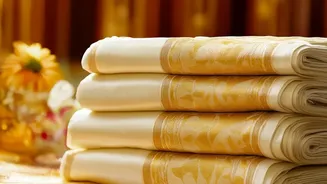
When you picture straw, you might think of rustic bales in a field. But the material making its way into modern homes is far more sophisticated. These are not loose bundles of straw, but highly engineered panels made from compressed agricultural fibres,
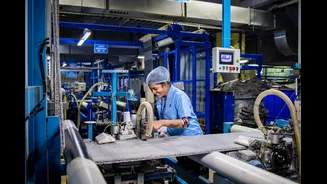
primarily the stalks left over from grain harvests like wheat and rice. For centuries, this straw was often considered a waste product, sometimes burned in fields, releasing carbon into the atmosphere. Today, innovative companies are transforming this residue into prefabricated panels. By compressing the straw under immense pressure, they create dense, solid boards that can be used for walls and ceilings, offering a new lease on life for a material that was once discarded.
The Science of Silence
The primary appeal for apartment dwellers is the promise of peace and quiet. Straw's effectiveness in noise control lies in its natural structure. The inherent porosity of densely packed straw fibres is excellent at trapping and dampening sound waves. Unlike hard, flat surfaces like concrete or plasterboard which can reflect sound and create echoes, straw-based panels absorb it. This makes them exceptionally effective at reducing both airborne noise, like conversations from the next room, and impact noise. Test results confirm that straw bale construction provides excellent sound isolation, making it a cost-effective and natural way to build quiet spaces in noisy urban environments. This acoustic performance can turn a bustling apartment building into a collection of private, serene studios.
An Eco-Friendly Choice
Beyond noise control, the environmental credentials of straw panels are a major draw. First, they are made from a rapidly renewable and often-wasted resource. Using agricultural byproducts reduces the need to burn straw and instead locks away the carbon stored within it for the life of the building. This process significantly lowers the embodied carbon of a construction project compared to conventional materials. Furthermore, these panels often replace foam and batt insulation that can contain chemicals like formaldehyde. Manufacturers of modern straw particle boards are now promoting formaldehyde-free products, ensuring healthier indoor air quality for residents. Straw also provides excellent thermal insulation, keeping homes cooler in the summer and warmer in the winter, which can lead to significant savings on energy bills.
Addressing Common Concerns
The idea of building with straw naturally raises questions, often inspired by children's fables. What about fire, pests, or rot? Modern straw panels are engineered to address these issues head-on. Densely compressed straw lacks the oxygen needed to burn easily, much like a thick phone book is harder to ignite than a single page. When coated with plaster, straw bale walls have shown exceptional fire resistance in tests, withstanding high temperatures for up to two hours. As for pests, straw is not a food source like hay is, as the grain has been removed. Its density makes it difficult for rodents to burrow into, and it is less attractive to termites than wood. Finally, as with any building material, keeping it dry is key to preventing rot. Proper construction techniques ensure moisture is kept out, allowing the straw to last for decades, if not centuries.
The Future in India
The potential for agrifiber products in India is enormous. With a massive agricultural sector producing vast quantities of rice and wheat straw, and a booming residential construction market, the synergy is clear. The Indian government and private industries are already exploring building materials made from agricultural waste. Companies are now marketing eco-friendly particle boards made from wheat and paddy straw, highlighting their sustainable and health-conscious benefits. As urbanisation continues and the demand for sustainable, quiet, and healthy living spaces grows, these innovative panels made from a traditional, natural material could become a common feature in Indian homes, turning an agricultural byproduct into a key component of modern, eco-friendly living.