






A Cycle of Extremes
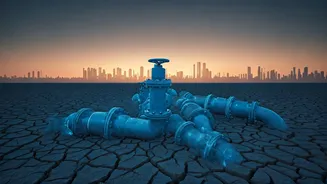
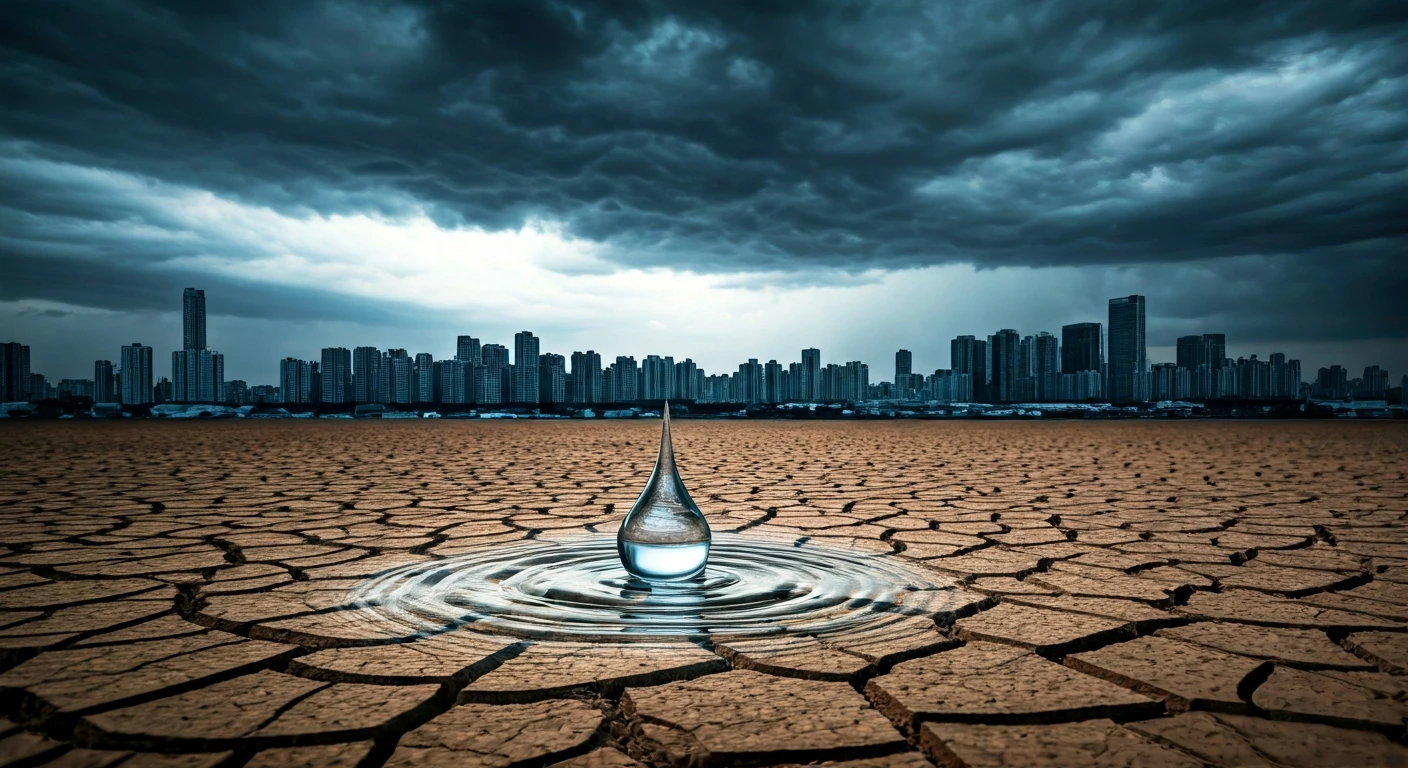
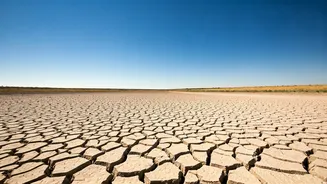
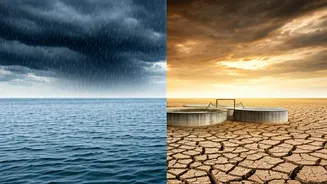
Every year, the narrative repeats itself. Summer months bring headlines of dangerously low reservoir levels and water restrictions in major hubs like Mumbai and Bengaluru. Millions face acute water stress. Then, the monsoon arrives, often not as a gentle
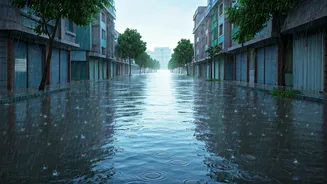
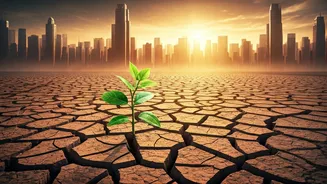
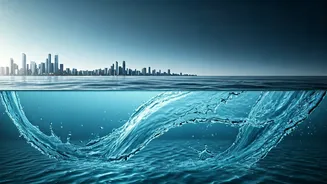
relief but as a deluge. Streets in cities like Hyderabad, Chennai, and Gurugram transform into canals, causing widespread damage and disruption. This isn't just a case of too little or too much rain; it's a systemic failure to manage a water cycle defined by intense, concentrated rainfall over a short period. The climate is becoming more erratic, with delayed monsoons followed by sudden, extreme downpours. This new reality, where extended dry spells are punctuated by cloudbursts, makes traditional water management models obsolete.
Outdated Models, Modern Problems
Much of India's water infrastructure—dams, canals, and urban drainage systems—is designed with a mindset suited for regions with steady, year-round precipitation. These systems are built to do one thing: move water away as quickly as possible. This approach treats torrential monsoon rain as a liability to be disposed of, rather than a valuable resource to be captured. The result is that vast quantities of fresh water are lost as runoff, often causing floods along the way, while groundwater levels continue to plummet from over-extraction during the long dry season. With 70% of India's water use coming from groundwater, this model is unsustainable. We are essentially trying to solve a unique Indian problem with a one-size-fits-all global solution, and it is failing spectacularly.
Seeing Water Through a New Lens
Adopting a 'monsoon lens' means fundamentally shifting our perspective from managing scarcity to managing abundance. It requires designing systems built for the reality of the subcontinent, where a majority of the year's rain falls in just 100 hours. The core principle is to capture, hold, and store rainwater where it falls. This involves a move away from massive, centralized projects towards decentralized, nature-based solutions. Concepts like 'sponge cities' aim to make urban areas more permeable with green spaces, rain gardens, and permeable pavements to absorb rainwater, recharge aquifers, and reduce runoff. Cities like Chennai are already experimenting with creating 'sponge parks' that serve as recreational areas while also acting as reservoirs during heavy rains, mitigating both floods and future water shortages.
Harnessing the Deluge
This new approach draws inspiration from India's own rich history of traditional water harvesting. Systems like Rajasthan's khadins and johads (earthen dams), Tamil Nadu's eri (tank) systems, and the kuhls (channels) of the Himalayas were all designed to work with local topography and rainfall patterns to capture monsoon runoff. Reviving and modernizing these traditional techniques can provide a powerful, community-managed alternative to large dams. The goal is to create a landscape that acts like a sponge, slowing the flow of water, allowing it to percolate into the ground, and replenishing the aquifers that are the lifeline for a majority of Indians. This means valuing every drop, from rooftop rainwater harvesting in individual homes to restoring and protecting thousands of local lakes, ponds, and wetlands that have been encroached upon or polluted.
Policy for a Resilient Future
Making this shift requires more than just new infrastructure; it demands a revolution in policy and governance. It means integrating groundwater and surface water management, which are currently handled in silos. Urban planning must be tied to hydrology, preventing construction on floodplains and natural drainage channels. Building regulations can mandate rainwater harvesting and permeable surfaces. As reports from NITI Aayog have consistently warned, India's water demand is projected to be twice the available supply by 2030, a crisis that could severely impact economic growth. Viewing water through a monsoon lens is no longer an academic exercise. It is a critical adaptation strategy for building a climate-resilient India, ensuring water security for millions, and turning a seasonal challenge into a year-round opportunity.