





Essential Documents and Identification
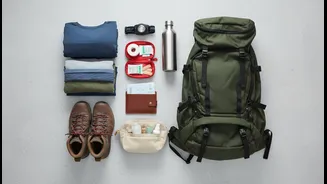
Before you pack a single piece of clothing, ensure your documents are in order. These are non-negotiable for the Yatra. You will need your official Yatra Permit issued by the Shri Amarnathji Shrine Board (SASB), along with the mandatory RFID card provided
upon registration. A Compulsory Health Certificate (CHC) from an authorized doctor is also required to prove you are fit for the high-altitude trek. Carry your government-issued photo ID, such as an Aadhaar card or passport, and have several passport-size photographs handy for various formalities. It is wise to keep both the original documents and a few photocopies in a waterproof pouch.
A Layered Clothing System
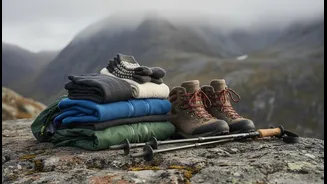
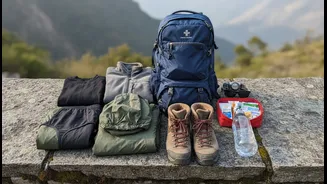
The weather in the mountains is notoriously unpredictable, with temperatures fluctuating dramatically. The key to comfort and safety is a layered clothing system. Start with thermal innerwear to retain body heat. Add a mid-layer of a fleece jacket or a woolen sweater for insulation. The outermost layer should be a high-quality waterproof and windproof jacket to protect against rain and cold winds. Also, pack quick-dry trekking pants, as cotton is not ideal for this environment. Women are advised to wear comfortable attire like a salwar kameez or track suit instead of a sari.
Footwear and Accessories
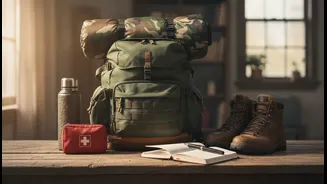
You will be walking on uneven, steep, and sometimes slippery terrain. A pair of sturdy, waterproof trekking shoes with high ankle support and good grip is one of the most critical items on your list. Ensure you have broken them in well before the Yatra to avoid painful blisters. Pack several pairs of woolen socks to keep your feet warm and dry. Essential accessories include a woolen cap or balaclava, a scarf or neck gaiter, and waterproof gloves to protect against the biting cold. Sunglasses with UV protection are crucial due to the strong sun at high altitudes.
Personal Health and First-Aid Kit
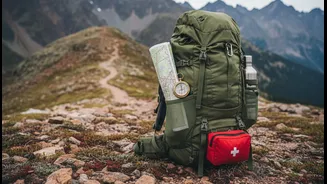
Your health is paramount. Carry a personal medical kit containing your regular prescription medications, along with general supplies like antiseptic cream, bandages, and pain relievers. Include medications for common issues like motion sickness, acidity, and diarrhea. Given the altitude, it's wise to consult a doctor about including medication for altitude sickness. Staying hydrated is crucial, so pack ORS sachets. Sunscreen (SPF 50+) and a lip balm with SPF are necessary to protect your skin from high-altitude sun exposure.
Sustenance and Hydration
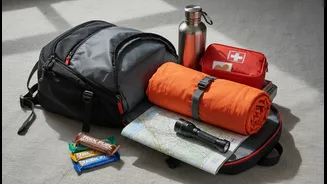
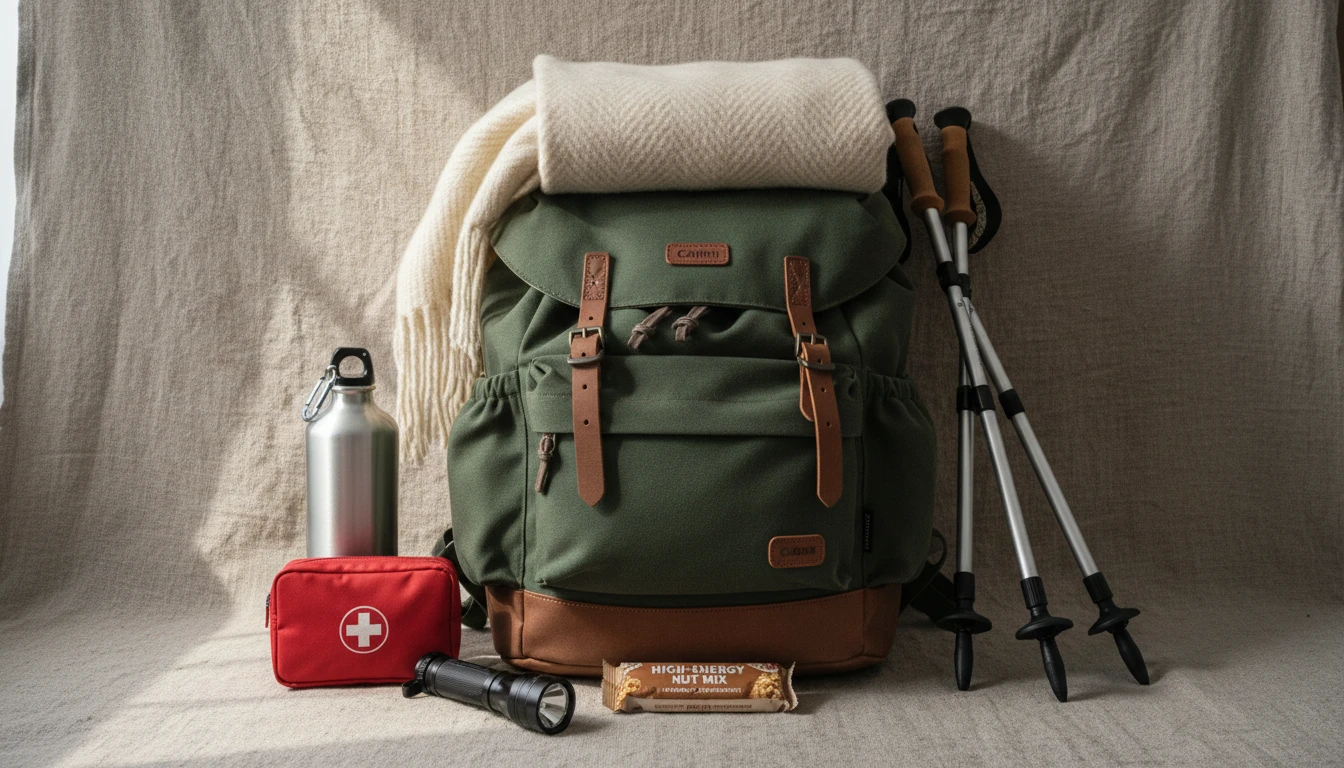
While langars (community kitchens) provide food along the route, it's essential to carry your own high-energy snacks for the trek. Pack items like dry fruits, nuts, energy bars, and chocolates that provide a quick source of energy. Carry a reusable insulated water bottle or a thermos to keep your water from getting too cold and to ensure you stay hydrated, which helps in acclimatization. Drinking 4-5 litres of water a day is often recommended at high altitudes.
Miscellaneous But Crucial Items
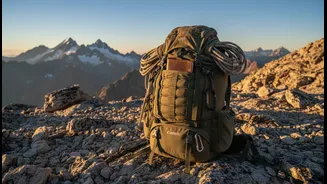
A few smaller items can make a huge difference in your comfort and safety. A headlamp or a torch with extra batteries is essential for navigating in the dark, especially for early morning treks. A power bank is a must-have to keep your phone and other devices charged, as charging points are scarce. A trekking pole can provide much-needed support and stability on the challenging paths. Pack basic toiletries, including a toothbrush, toothpaste, soap, and hand sanitizer. Finally, carry sufficient cash, as digital payments may not be available everywhere.