
The First Line of Defence: The Other Pilot
The most crucial safety feature in any cockpit isn't a piece of technology, but the second pilot. Commercial flights operate with a Captain and a First Officer, both of whom are fully qualified to fly the aircraft. They divide duties, with one acting
as the 'pilot flying' and the other as the 'pilot monitoring', handling communications and cross-checking instruments. In a case of medical emergency or incapacitation, this two-person rule is the first and most effective safeguard. The remaining pilot is trained to take full command, communicate the situation to air traffic control, and divert to the nearest suitable airport for a safe landing. This procedure is a standard and practiced part of pilot training, ensuring that the loss of one crew member does not compromise the flight.
When Automation Takes Over: The Autopilot
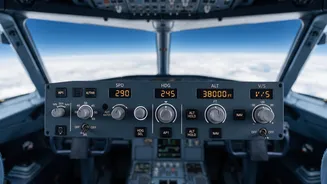
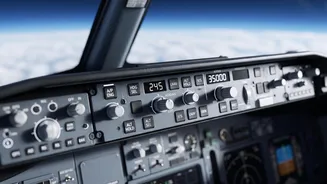
Beyond the human crew, modern aircraft are equipped with highly sophisticated autopilots that are far more than a simple cruise control. These systems can manage the plane's speed, altitude, and navigation path with incredible precision. Once engaged, the autopilot can fly a pre-programmed route for the entirety of the cruise portion of the flight. Pilots continuously supervise the automation, but the system handles the mechanical act of flying. This is not a substitute for the pilots, but a tool that allows them to focus on broader strategic decisions, like monitoring weather systems and communicating with air traffic control. In an emergency, the autopilot acts as a steady hand, maintaining the aircraft's stability while the remaining pilot assesses the situation and plans the next steps.
How Long Can It Fly? The Limit Is Fuel
So, how long can a plane fly on autopilot without pilot intervention? The answer isn't limited by the technology, but by physics: a plane can fly safely on autopilot for as long as it has fuel. An ultra-long-haul aircraft like a Boeing 747 can fly for nearly 16 hours without refueling. In a scenario where the cockpit is compromised but the plane is stable, the autopilot would continue along its programmed path until it runs out of fuel. It cannot, however, make complex decisions to avoid unforeseen weather or reroute to a new airport without human input. Its job is to maintain the last set of instructions, which it can do for many hours. This provides a crucial time buffer for authorities on the ground to attempt to establish contact or formulate a response.
The Principle of Redundancy: A Plane of Backups
Aircraft are designed with a core philosophy of redundancy, meaning critical systems have multiple backups. This is like having a spare tyre for your car, but for every essential function. For example, airliners have multiple independent hydraulic systems; some can fly safely even if two of the three fail. They also have multiple electrical generators, navigation instruments, and flight control computers. This multi-layered approach ensures that a single point of failure—whether it's a computer, a wire, or even a pilot—is extremely unlikely to lead to a catastrophic outcome. This principle of duplication is the bedrock of modern aviation safety, providing a robust safety net against unforeseen events.
Landing Without a Pilot: The Autoland System
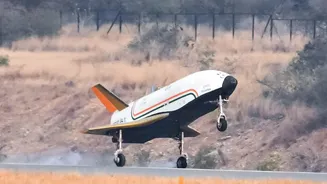
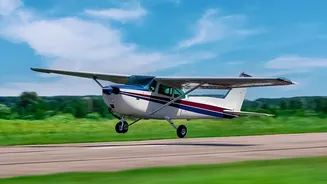
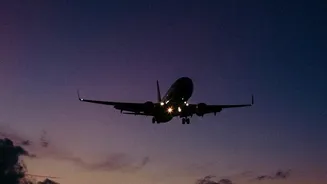
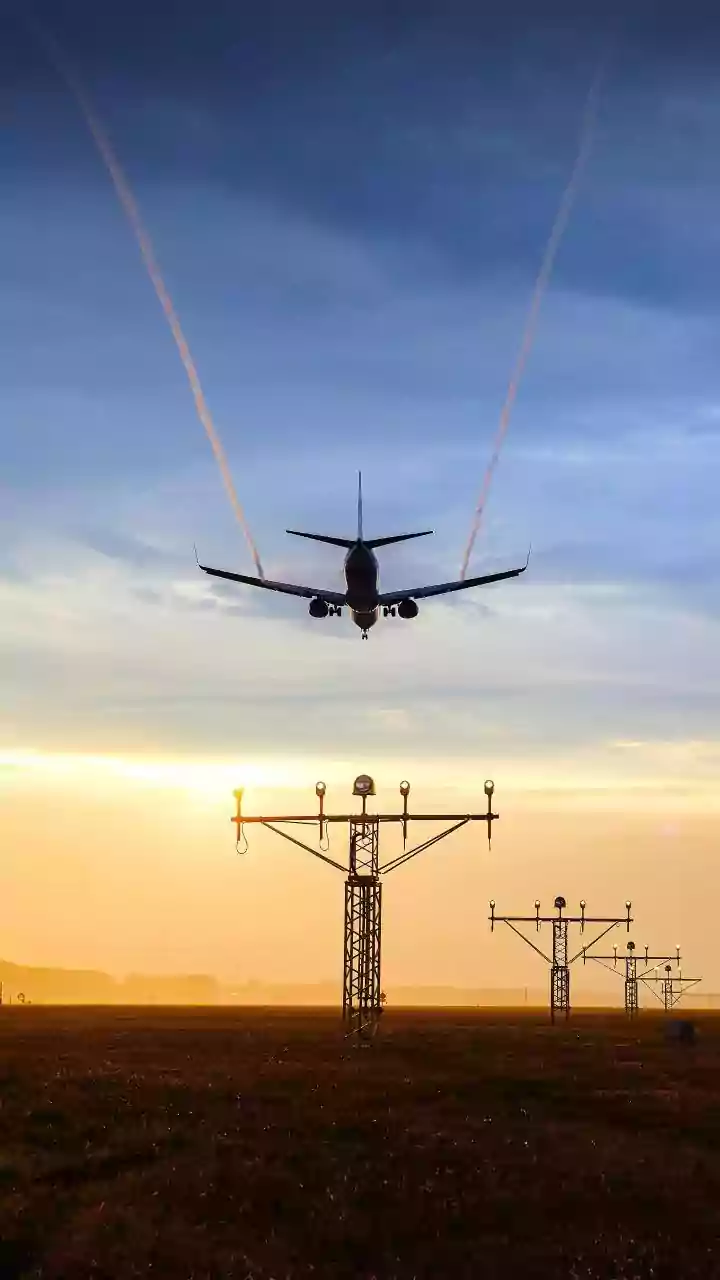
In the most extreme circumstances, technology exists to land a plane with minimal human input. The 'autoland' system, designed for landing in very poor visibility, can fully automate the landing procedure. Using a combination of radio signals from the runway's Instrument Landing System (ILS) and the aircraft's own computers, the system can guide the plane down, flare for landing, and even control the rollout on the runway. While pilots supervise this process, it demonstrates the capability of the aircraft to perform the most critical phase of flight automatically. Some newer systems, known as 'emergency autoland', can even be activated by passengers in general aviation aircraft, select a suitable airport, and land the plane without any pilot intervention at all.