




The Experience Economy Arrives at the Table
It’s no longer enough for food to simply taste good. In an age where we crave experiences over possessions, dining out has transformed from a functional activity into a form of entertainment. This shift is reshaping India's restaurant industry, with restaurateurs
investing heavily in creating immersive environments. Diners today, armed with smartphones and a desire for shareable moments, are seeking memorable social experiences where the food, ambiance, and entertainment merge. This trend, driven by rising disposable incomes and exposure to global hospitality, means that restaurants are now competing on atmosphere as much as they are on their menus. The goal is to create a space that encourages guests to linger, connect, and, most importantly, feel something special.
The Surprising Science of Ambiance
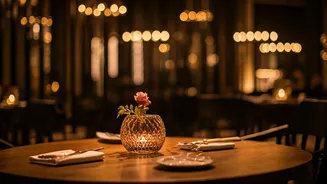
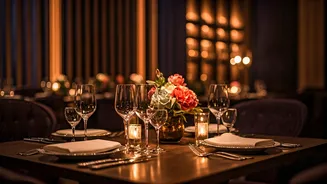
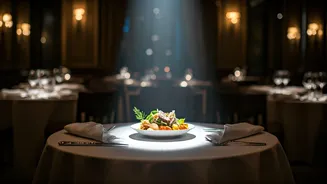
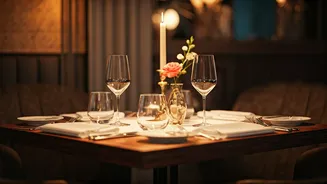
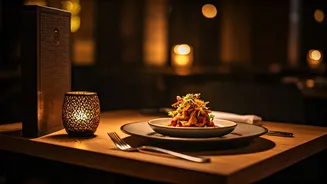
The importance of setting isn't just a feeling; it's backed by science. Environmental psychologists have shown that our surroundings can dramatically alter our perception of taste. Research reveals that factors like lighting, sound, and even colour play a crucial role. For instance, warm, dim lighting can enhance the perception of a food's richness and sweetness, making a meal feel more intimate and flavourful. In contrast, bright lights, often used in fast-food chains, tend to make people eat faster. Even sound has an effect; high noise levels can dull our sensitivity to sweet and salty tastes, while certain types of music can make a meal feel more elegant or relaxed. A restaurant's design essentially seasons the meal before it even reaches your palate.
More Than Just an Instagram Backdrop
While a photogenic space certainly helps with organic marketing, the best restaurant designs go much deeper. A thoughtfully designed interior tells a story and creates a world that complements the cuisine. In India, many restaurants are excelling at this synergy. For example, a restaurant like Burma Burma uses design elements inspired by Burmese festivals and traditions to create a cultural context for its food. Others, like Indian Accent in New Delhi, blend modern design with traditional artifacts to reflect their innovative approach to Indian cuisine. The design becomes a visual translation of what's on the plate, immersing diners in the culture the food originates from. This turns the restaurant from a simple dining room into a destination.
The Chef's New Canvas
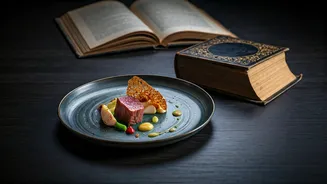
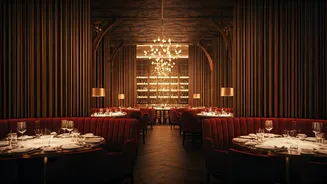
This focus on ambiance has fostered a closer collaboration between chefs and interior designers. The restaurant space is now seen as an extension of the chef's creative vision. Just as a chef carefully selects ingredients, a designer chooses materials, colours, and textures to evoke a specific mood. A rustic setting with natural wood might complement hearty, comfort food, while sleek, minimalist decor could be the perfect stage for delicate, modern cuisine. This holistic approach ensures a cohesive experience where every element—from the weight of the cutlery to the style of the seating—is part of a singular, intentional narrative. The result is an environment that doesn't just hold the food, but elevates it, making the entire experience more memorable and emotionally resonant.