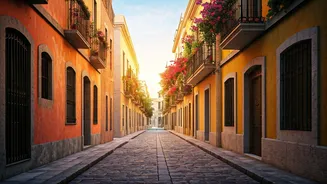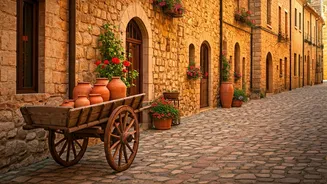









Why We're Craving Cobblestones
The resurgence of 'old town' travel isn't just about nostalgia; it's a conscious choice. After years of lockdowns and digital saturation, there's a collective yearning for authenticity. We don't just want to see a place; we want to feel it. Old towns
offer exactly that—a tangible connection to history, culture, and a slower way of life. These are places built on a human scale, designed for walking, not driving. Every narrow lane, weathered facade, and hidden courtyard tells a story. It’s a form of travel that replaces a packed itinerary with the simple pleasure of getting lost and discovering a local bakery, a quiet artisan shop, or a centuries-old monument by chance. This isn’t just a vacation; it’s an immersion.
India’s Own Heritage Havens
You don't need a passport to step back in time. India is dotted with incredible old-world precincts that are drawing renewed interest. Take Fort Kochi in Kerala, where Chinese fishing nets line the coast and the scent of spices hangs in the air amidst Portuguese and Dutch colonial architecture. Or wander through Fontainhas, the Latin Quarter of Panjim, Goa, where colourful villas with wrought-iron balconies transport you to a slice of Lisbon in India. These aren't museum pieces; they are living, breathing neighbourhoods where cafes, art galleries, and boutique guesthouses now thrive within historic walls. They offer a perfect blend of Indian culture and layered global history, making for a uniquely enriching getaway.
Europe's Fairytale Capitals
For Indian travellers heading to Europe, the itinerary is shifting. While Paris and London remain popular, it's the continent's enchanting old towns that are becoming the main event. Think of Prague, where you can cross the Charles Bridge at dawn before the crowds descend, watching the city's 'hundred spires' emerge from the mist. Or consider Lisbon’s Alfama district, a maze of steep, winding streets where the melancholic sounds of Fado music drift from tiny taverns. These cities offer the quintessential European dream: fairytale castles, sprawling market squares, and the feeling that you've walked onto a film set. They are also often more affordable and less overwhelming than their larger counterparts, offering a more intimate and memorable experience.
Southeast Asia's Living History
Closer to home, Southeast Asia offers some of the most vibrant and accessible old-town experiences. Hoi An in Vietnam is a perfect example. This former trading port is a UNESCO World Heritage site, famous for its lantern-lit streets, well-preserved shophouses, and tranquil atmosphere, especially after dark when traffic is restricted. Similarly, George Town in Penang, Malaysia, is a stunning tapestry of cultures. Here, British colonial buildings stand next to Chinese clan houses and vibrant Hindu temples. The city's famous street art and legendary street food scene add a modern, dynamic layer to its historic core, making it a feast for all the senses. These destinations prove that old-world charm can be found in a kaleidoscope of colours, flavours, and cultures.
How to Embrace the Old Town Vibe
To truly appreciate an old town, you have to adjust your travel style. First, ditch the rigid schedule. The best moments often come from unplanned detours. Second, walk everywhere. It's the only way to notice the small details—the intricate door knockers, the potted plants on a window sill, the patterns in the cobblestones. Third, engage with the local economy. Eat at family-run restaurants, buy from local artisans, and maybe even take a walking tour with a guide who lives in the neighbourhood. And finally, look up. So much of the architectural beauty and history of these places is above eye level. By slowing down and being present, you’ll find the charm isn't just in the buildings, but in the experience itself.