


The Building Blocks of Protein
First, let's understand what a 'complete protein' is. Proteins are made of smaller units called amino acids. There are 20 different amino acids, nine of which are considered 'essential' because our bodies cannot produce them. We must get these nine essential amino acids from
our food. A food source that contains all nine in sufficient amounts is called a complete protein. While most animal products like meat, eggs, and dairy are complete proteins, the majority of plant-based foods are considered 'incomplete' because they are low in one or more of these essential amino acids. But this isn't a cause for concern. It simply means that a varied plant-based diet is key.
The Myth of 'Same-Meal' Pairing
For decades, a popular myth suggested that vegetarians needed to meticulously combine different plant foods within the same meal to form a complete protein. This theory, known as 'protein complementing,' proposed pairing foods like beans and rice together to make up for each other's amino acid shortfalls. However, modern nutritional science has shown this to be unnecessarily rigid. Our bodies are quite efficient and maintain a pool of amino acids to draw from throughout the day. This means you don't need to eat complementary proteins at the exact same time. As long as you consume a variety of protein sources over the course of the day, your body can pull what it needs to build complete proteins.
Your Daily Dynamic Duos
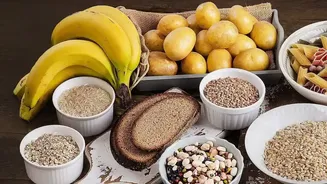
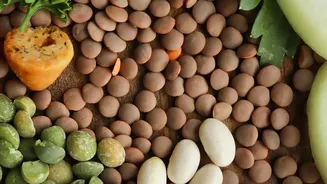
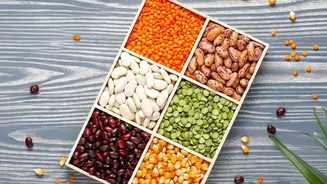
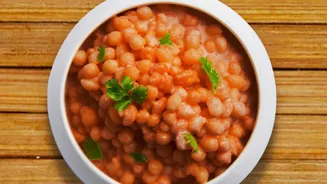
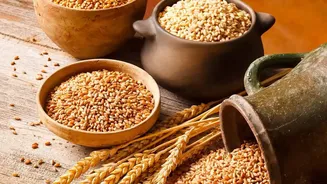
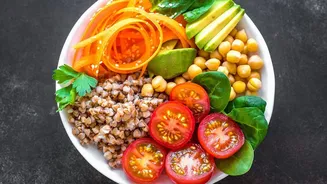
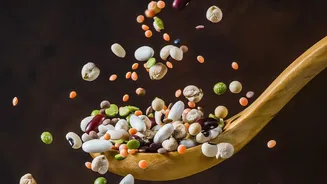
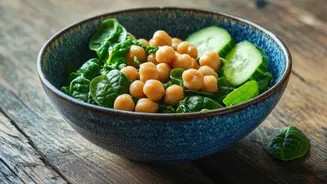
The principle of combining legumes and grains is still an excellent strategy, and it’s one that is deeply embedded in Indian cuisine. Legumes like dal, rajma, and chana are typically high in the amino acid lysine but low in methionine. Conversely, whole grains like rice and wheat (roti) are low in lysine but contain methionine. When you eat them over the course of a day, they perfectly complement each other. Many traditional Indian meals are perfect examples of this nutritional wisdom. A plate of dal and rice, for instance, provides all nine essential amino acids. The same goes for other beloved combinations like rajma with chawal, chana with roti, or South India’s idli/dosa (made from fermented rice and lentils) served with sambar (a lentil-based stew). These aren't just delicious comfort foods; they are nutritionally complete meals.
Beyond Grains and Legumes
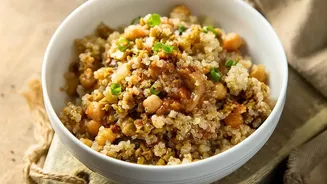
While the grain-and-legume partnership is a reliable foundation, the vegetarian world offers other fantastic protein sources. Some plant foods are naturally complete proteins all on their own. Soy products, including tofu, tempeh, and edamame, are excellent examples and are incredibly versatile in curries and stir-fries. Quinoa, often called a 'pseudo-grain,' is another powerhouse that offers a full amino acid profile and can be used as a substitute for rice. Other valuable additions include amaranth (rajgira), buckwheat (kuttu), and seeds like chia and hemp. For lacto-vegetarians, dairy products like paneer, milk, and curd (yogurt) are also readily available sources of high-quality, complete protein that feature heavily in the Indian diet.