






The Magic of Porous Clay
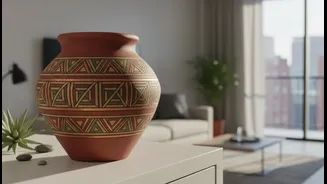
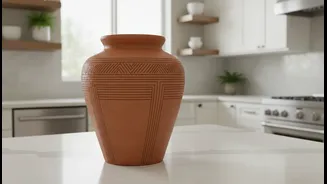
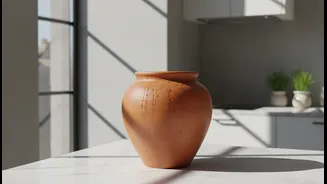
At the heart of terracotta's cooling power is its unique material composition. Terracotta, which translates to "baked earth," is made from natural clay that is fired at relatively low temperatures. This process leaves the clay with countless microscopic
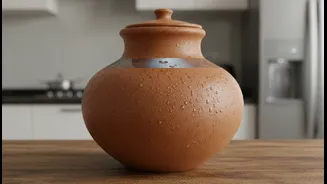
pores, making it naturally porous. Unlike glass or metal, which are impermeable, the surface of a terracotta pot is a network of tiny channels. It is this porosity that allows the pot to 'breathe' and sets the stage for a fascinating natural phenomenon that has been utilized for millennia, dating back to ancient civilizations like the Indus Valley.
Evaporation: Nature’s Air Conditioner
The science behind the cooling is a process called evaporative cooling. It works just like the human body cooling itself through sweat. A small amount of water from inside the matka continuously seeps through the microscopic pores to the outer surface of the pot. When this water meets the drier, warmer air outside, it evaporates, turning from a liquid into a gas. This phase change requires energy, which the water molecules draw from the pot in the form of heat. As heat is pulled away from the pot and the water remaining inside, the internal temperature drops, often by several degrees, resulting in naturally chilled water without any electricity.
A Perfect Match for the Indian Climate
Evaporative cooling is most effective in hot, dry climates, which describes the conditions in many parts of India for much of the year. The greater the difference between the temperature and humidity of the air and the water, the faster the evaporation and the more significant the cooling effect. In the intense dry heat of an Indian summer, the air can readily absorb moisture, supercharging the evaporation process. This makes the terracotta matka not just a traditional object but a piece of climate-specific engineering, perfectly adapted to its environment to provide relief from the heat.
Beyond Cooling: Health and Taste Benefits
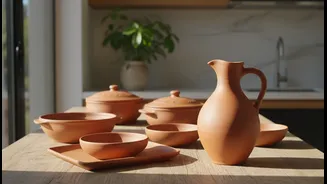
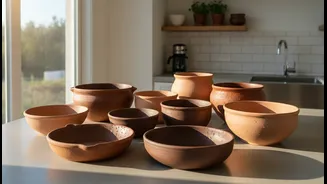
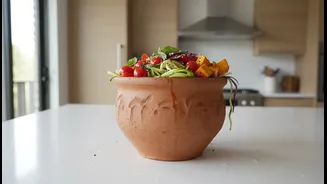
The appeal of terracotta extends beyond its cooling abilities. Proponents suggest it offers several other advantages. Clay is naturally alkaline, which can help balance the pH of the water. This may help counteract the acidity in our bodies and is said to be gentler on the throat than frigid refrigerator water. Furthermore, unlike plastic containers that can leach chemicals like BPA, terracotta is a natural, chemical-free material. Many users also swear that water from a matka has a unique, earthy taste that is more refreshing than water from any other vessel. Cooking in clay pots is also believed to offer benefits, as the porous nature allows for slow, even cooking that retains moisture and nutrients, requiring less oil.
From Matka to Modern Kitchens
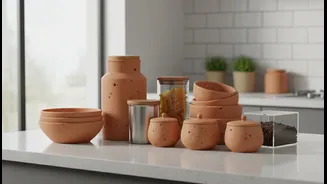
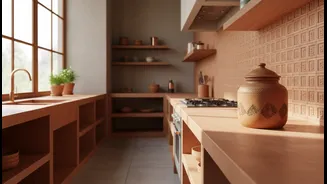
While deeply rooted in tradition, terracotta is experiencing a modern revival. As consumers become more conscious of sustainability and health, these eco-friendly, energy-free coolers are finding their way back into urban homes. Designers and architects are also re-embracing this ancient material, using terracotta in modern building facades and 'jaali' screens to provide passive cooling for entire structures, proving that this 3,000-year-old technology is more relevant than ever. From simple water pots and cooking vessels to innovative architectural elements, terracotta continues to be a symbol of simple, effective, and sustainable design in the Indian context.