




Beyond the Sweet and Tangy
For many, the introduction to Indian chutney is through the sweet mango or tangy tamarind varieties that accompany samosas or papadums. While delicious, these represent just one facet of a vast and complex culinary category. A meal in India is often considered
incomplete without a chutney. This isn't just a dip; it's a flavour enhancer, a textural counterpoint, and a carrier of regional identity, traditionally ground fresh daily on stone slabs. In home kitchens, chutneys are moving beyond the familiar herb-based pastes, like mint-coriander, and embracing a world of ingredients that offer crunch, earthiness, and a powerful nutritional punch.
The Rise of the Dry Chutney
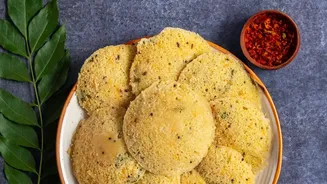
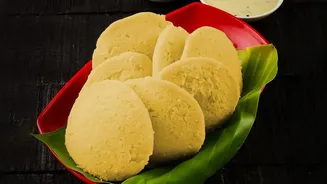
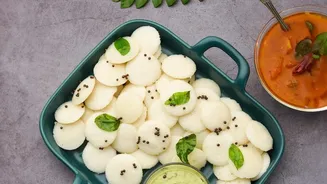
One of the most significant shifts is the growing appreciation for 'podi' or dry chutney powders. Particularly popular in South India, these ingenious condiments are made from dry-roasted lentils, seeds, and spices. A classic 'gunpowder' or 'milagai podi' might feature a blend of roasted urad dal and chana dal, red chillies, asafoetida, and curry leaves. These powders are not just a lazy-day kitchen hack; they are a powerhouse of flavour. Mixed with ghee or sesame oil, they transform a simple plate of idli, dosa, or hot rice into a satisfying meal. This format allows for incredible versatility, with home cooks creating versions with everything from protein-packed horse gram to flax seeds.
A Nutty, Crunchy Revolution
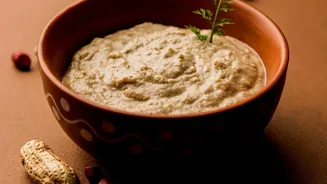
Nuts and seeds are taking centre stage, adding creaminess, texture, and healthy fats. Peanut chutney, or 'palli chutney' in Andhra, is a beloved alternative to coconut-based versions, offering a sweet, nutty flavour balanced with chillies and tamarind. Similarly, sesame seeds ('til' or 'ellu') are roasted and ground into chutneys that deliver a deep, nutty taste and a host of health benefits. Walnuts are also making an appearance, especially in recipes from Kashmir and in modern South Indian variations where they are blended with coconut for a creamy, earthy flavour. These ingredients turn the condiment into a more substantial and nutritionally dense part of the meal.
Celebrating Regional Gems
This chutney renaissance is also about celebrating hyper-regional and seasonal produce. In Uttarakhand, roasted hemp seeds ('bhang') are ground into a uniquely nutty and smoky chutney. In Andhra, the sour leaves of the gongura plant create a famously tangy and fiery 'pachadi' that is impossible to forget. Forgotten recipes, like a Goan chutney made with roasted coriander seeds, are being rediscovered and shared, offering a taste of old-world flavours. From drumstick leaves in Bengal to wild melons ('kachri') in Rajasthan, home cooks are turning to humble, local ingredients to create chutneys that tell a story of their specific landscape.
Why Now? Health, Heritage, and Modern Tastes
Several factors are driving this trend. There's a growing awareness of the health benefits of lentils, seeds, and nuts. Lentils are rich in protein, fibre, and minerals, helping to manage blood sugar and support heart health. Seeds like sesame and flax offer valuable nutrients and antioxidants. This shift aligns with a broader movement towards wellness and plant-based eating. Furthermore, there is a renewed interest in culinary heritage and a desire to preserve traditional, non-commercialised recipes. Food bloggers and social media have provided a platform for home cooks to share these regional and family specialities, inspiring others to experiment beyond the standard repertoire and discover the true, diverse soul of Indian chutneys.