






Monsoon Makes a Grand Entrance
The India Meteorological Department (IMD) confirmed that as of June 24, the Southwest Monsoon has surged into parts of Gujarat and Madhya Pradesh, covering the remainder of Maharashtra in the process. This advance marks a significant shift after a sluggish
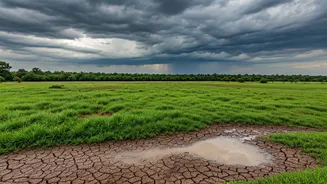
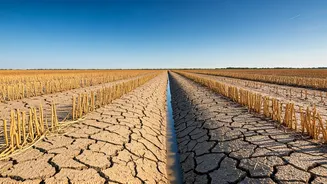
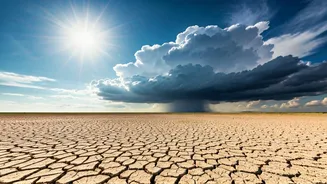
start to the season, which had seen a nationwide rainfall deficit of 42% as of June 24. Until recently, many parts of Central India were facing significant shortfalls. Gujarat, for instance, was grappling with an 84% deficit as of June 22, while Madhya Pradesh had a 39% deficit by June 18. The recent push, however, has begun to dramatically change the picture, bringing widespread, beneficial rainfall.
Gujarat's Thirsty Lands Quenched
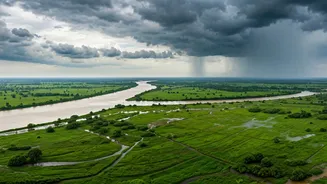
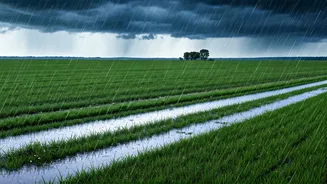
The arrival of the monsoon in Gujarat could not have been more welcome. The northern limit of the monsoon now passes through Surat, officially marking its entry. In the 24 hours leading up to June 25, several talukas received significant downpours. Sagbara in Narmada district recorded 85 mm, while areas in Dang district also saw substantial rain. These rains are a critical lifeline for the state's farmers who have been eagerly awaiting the opportunity to begin sowing for the Kharif season. While some northern parts of the state like Gandhinagar and Rajkot still recorded high temperatures, the advance of the monsoon into the southern regions is a positive sign for the days to come. The IMD forecasts more light to moderate rain across the state over the next week.
Madhya Pradesh Soaks It In
Madhya Pradesh has also been comprehensively covered by the recent monsoon surge. The northern limit of the monsoon now cuts through Indore and Mandla, bringing rain to a state that was previously facing uneven pre-monsoon showers and a notable deficit. The IMD has forecast continued rainfall, with warnings for thunderstorms accompanied by gusty winds across both East and West Madhya Pradesh until June 28. In some areas, strong winds have been recorded, with Jabalpur clocking gusts of 56 kmph. This activity is crucial for replenishing the state's water bodies and providing the necessary moisture for agriculture, a cornerstone of the state's economy.
The Agricultural Impact
This timely drenching is vital for the Kharif sowing season. The delayed start to the monsoon had raised concerns across the country, prompting the Union Agriculture Minister to review preparedness. Many districts in both Gujarat and Madhya Pradesh were identified as vulnerable due to their dependence on rain-fed agriculture. The arrival of these widespread rains provides the perfect window for farmers to accelerate the sowing of crucial crops like cotton, soybean, and pulses. The moisture will help ensure seed germination and healthy early growth, setting a positive tone for the agricultural season after a period of uncertainty. This reduces the immediate pressure on farmers who were advised to consider shifting to less water-intensive crops.
What's Next? The IMD Forecast
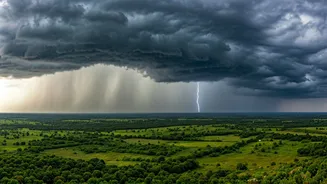
Looking ahead, conditions remain favourable for the monsoon to advance further over the next few days. The IMD predicts it will cover more parts of Gujarat and Madhya Pradesh, and move into Uttar Pradesh and Uttarakhand. Heavy rainfall is likely in parts of East and West Madhya Pradesh. While the arrival is robust, it is accompanied by warnings of thunderstorms, lightning, and strong winds. This active phase is expected to bring a gradual fall in maximum temperatures across Central India, providing further relief from the pre-monsoon heat. While the initial overall forecast for the season was below-normal, this strong and timely arrival in Central India provides a much-needed boost of optimism.