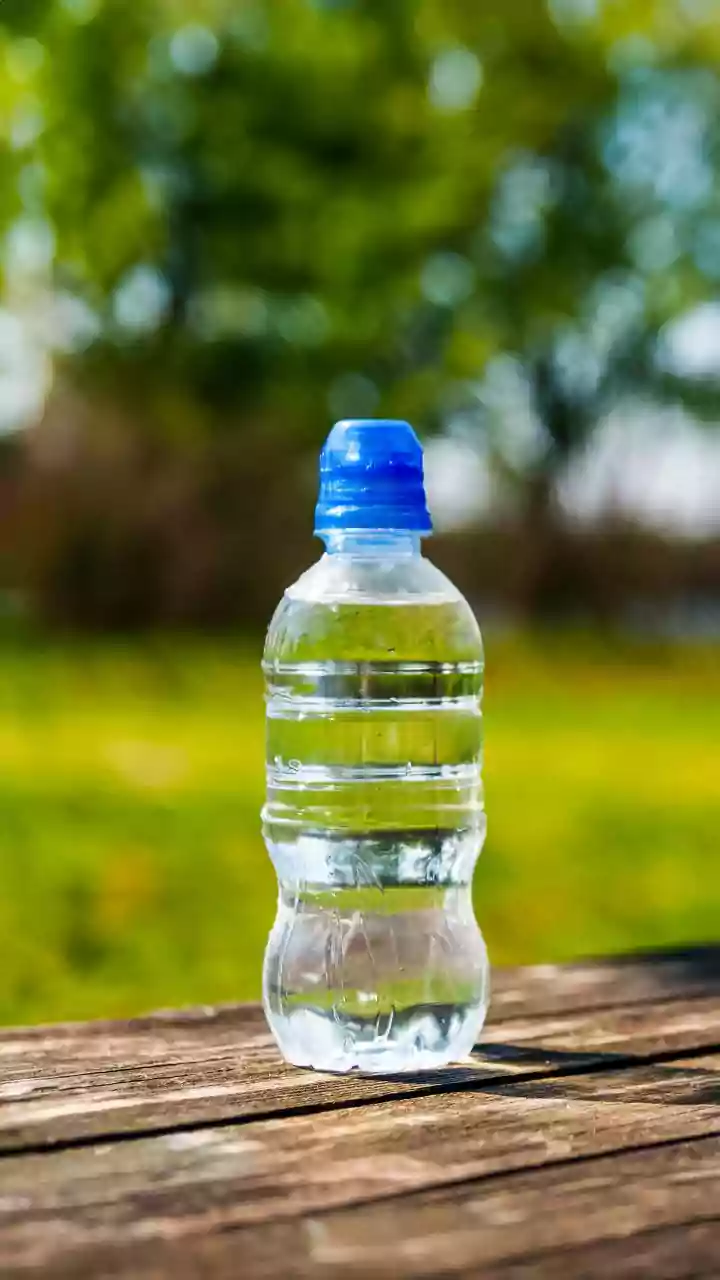








For millions in India, a sealed bottle of water is a daily symbol of safety and convenience. But recent market findings by the Food Safety and Standards Authority of India (FSSAI) serve as a critical reminder that not all bottles are equal.
What Recent FSSAI Checks Uncovered
Recent market
surveillance by the FSSAI has put a spotlight on the quality of packaged drinking water. On November 22, the regulator sanctioned prosecution against major brand Bisleri after a sample was declared 'unsafe'. The initial test found bromate, a chemical byproduct of disinfection, above permissible limits. A subsequent test by a referral lab also detected polynuclear aromatic hydrocarbons (PAHs), which are potential carcinogens. This action has prompted consumer concern and led the FSSAI to announce wider testing of all major bottled water brands across the country to ensure compliance. These findings underscore a persistent issue where some manufacturers, particularly smaller, local players, may operate without proper licensing or adherence to safety standards, posing a risk to public health.
The Unseen Risks in Unverified Water
The concern is not just about a single brand or batch, but the potential for both microbiological and chemical contaminants in improperly processed water. Chemicals like bromate and PAHs raise long-term health concerns, including potential organ damage and elevated cancer risks with chronic exposure. More immediate risks often come from microbiological contamination. If water isn't purified and handled under strict hygienic conditions, it can contain harmful bacteria like E. coli and other coliforms. These pathogens can cause a range of water-borne illnesses, including diarrhoea, typhoid, and cholera, making proper verification before consumption essential. While a one-time exposure to low levels of contaminants may not cause harm, consistent consumption of unverified water increases health risks.
Your 3-Point Checklist for Safe Water
Empowering yourself as a consumer starts with knowing what to look for on the label. Before you purchase or drink from a bottle, take a few seconds to perform these crucial checks. First, look for the 14-digit FSSAI license number. This is mandatory and confirms the manufacturer is registered with the food safety authority. You can even verify this number on the FSSAI's FoSCoS portal or via its WhatsApp chatbot. Second, check the manufacturing and 'best before' dates to ensure the product is fresh and has been stored properly. Finally, always inspect the physical condition of the bottle. The seal must be intact and unbroken. The water itself should be perfectly clear, with no cloudiness, particles, or suspended matter. If a bottle looks tampered with or the water appears suspect, do not consume it.
Packaged Water vs. Mineral Water
Consumers often use the terms 'packaged water' and 'mineral water' interchangeably, but they are legally distinct products in India. Most of what is sold is 'Packaged Drinking Water', which is sourced from municipal supplies or groundwater and then undergoes extensive purification like reverse osmosis (RO), filtration, and disinfection before being bottled. 'Natural Mineral Water', on the other hand, must originate from a protected underground source and be bottled at that source. It is not heavily treated and retains its natural mineral composition. The label will clearly state whether it is 'Packaged Drinking Water' or 'Natural Mineral Water'. Both are safe if they comply with FSSAI standards, but knowing the difference helps you make a more informed choice about what you are drinking.
A Regulatory Shift for Consumer Safety
It is important for consumers to know that the regulatory landscape has recently changed. In October 2024, FSSAI removed the mandatory requirement for the BIS (Bureau of Indian Standards) certification, also known as the ISI mark, for packaged water. Instead, FSSAI has classified packaged water as a 'high-risk' food category and implemented its own comprehensive testing scheme, effective from January 2026. This places the primary responsibility of verification on the FSSAI license. The move aims to streamline regulation and strengthen oversight through mandatory inspections and audits. For consumers, this means the FSSAI license number is now the single most important mark of regulatory compliance to check for on any bottle of water.