






Give Your Plants Room to Breathe
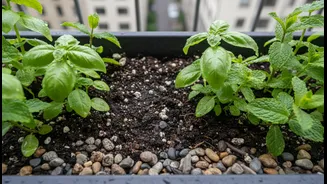
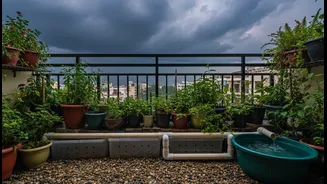
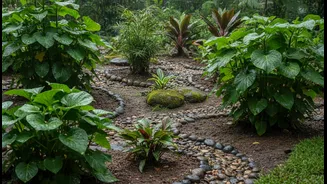
One of the most effective strategies for a healthy monsoon garden is ensuring proper spacing between your plants. When plants are crowded together, air cannot circulate freely. This traps moisture on the leaves and stems, creating the perfect damp environment
for fungal diseases like powdery mildew to flourish, which are common problems during the humid rainy season. Giving each plant enough room helps foliage dry faster after a downpour, significantly reducing the risk of infection. Good spacing also prevents plants from competing with each other for vital resources like sunlight, water, and soil nutrients, leading to stronger, more resilient growth overall. As a rule, check the mature size of your plants and arrange them so their leaves will barely touch when fully grown. This simple step is a cornerstone of preventative care.
Master the Art of Drainage
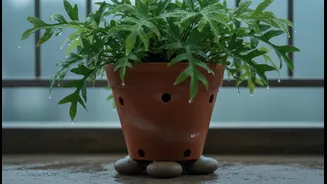
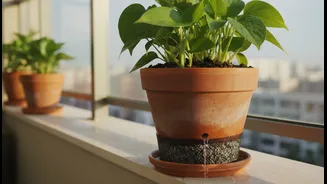
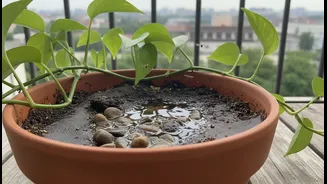
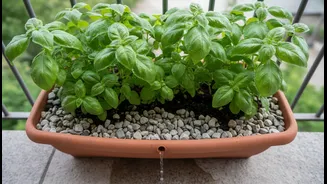
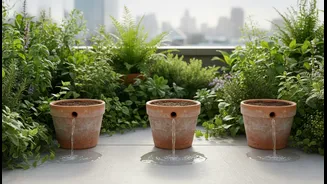
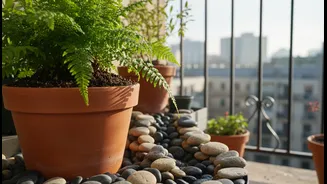
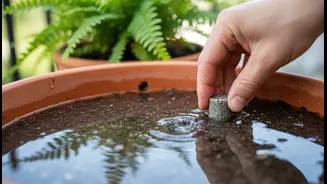
Water is life, but too much of it can be fatal for plants. Waterlogged soil is a primary cause of plant failure during the monsoon. When soil is saturated, it cuts off the oxygen supply to the roots, leading to root rot, a condition from which many plants cannot recover. To prevent this, focus on improving drainage before the heavy rains begin. If you use pots, ensure they have multiple, unobstructed drainage holes. Elevating pots on stands or bricks is a simple and highly effective way to allow excess water to escape freely. For garden beds, especially those with heavy clay soil, incorporating organic matter like compost or materials like sand or perlite can dramatically improve soil structure and prevent water from pooling. In low-lying areas, creating raised beds is an excellent solution to keep plant roots safely above the water table.
Provide Strategic and Selective Shelter
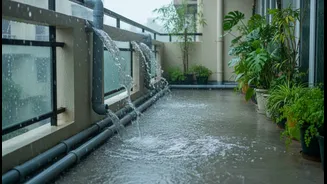
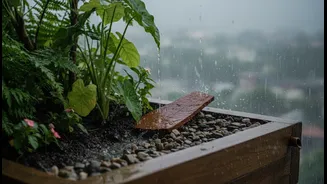
While rain is essential, the sheer force of a monsoon downpour, often accompanied by strong winds, can physically damage your plants. Delicate flowers can be shredded, leaves can be battered, and entire stems can snap. Protecting your most vulnerable plants is key. For potted plants, the solution can be as simple as moving them to a sheltered location like a covered balcony, patio, or veranda during the heaviest storms. For plants in the ground, you may need to get more creative. Using green agro-nets or other rain covers can shield them from the worst of the deluge while still allowing light and air to pass through. Taller or top-heavy plants, such as tomatoes and some flowering shrubs, benefit greatly from staking. Inserting a sturdy bamboo stake or trellis provides structural support, preventing them from being toppled by gusty winds.
Essential Monsoon Maintenance
Beyond the big three, a few additional habits will keep your garden in top shape. Regular pruning is crucial; trimming away excess growth not only helps maintain a plant's shape but also improves air circulation further. It's also important to remove any dead or yellowing leaves and weeds promptly, as this decaying matter can harbor pests and diseases. Speaking of pests, be vigilant. Slugs, snails, and various insects thrive in wet conditions. Regularly inspect your plants, especially the undersides of leaves, and consider using natural deterrents like neem oil to keep infestations at bay. Finally, while it may seem counterintuitive, don't stop watering entirely. Plants under cover will still need a drink, and even those in the open may require watering during dry spells between rains. Always check the soil moisture first—if the top inch or two is dry, it's time to water.