



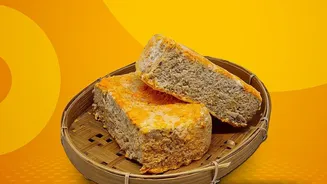
The Rise of a Humble Grain
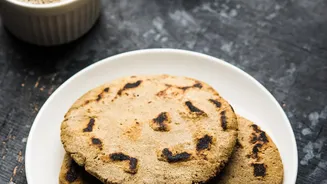
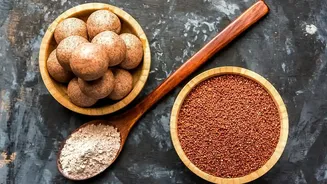
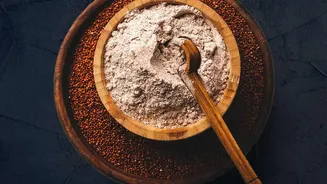
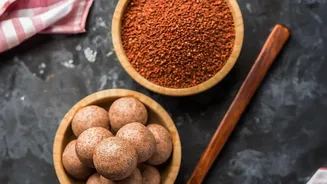
For generations, millets like jowar, bajra, and ragi were staples in Indian diets, valued for their resilience and nutritional punch. Over time, they were largely replaced by wheat and rice. Now, the culinary world is rediscovering these ancient grains.
This resurgence is driven by a growing awareness of health and a desire to reconnect with traditional ingredients. Once seen as old-fashioned, millets are now celebrated as 'super grains' by chefs and home bakers alike, finding their way into everything from cookies to gourmet desserts. This trend is not just about nostalgia; it's about innovating with ingredients that are both nutritious and deeply rooted in Indian culture.
Why Millets in a Brownie?
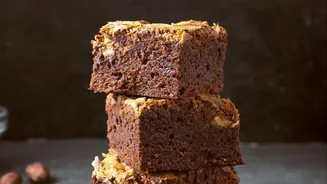
The primary motivation for swapping refined flour (maida) for millet flour is health. Millets are nutritional powerhouses, packed with fibre, protein, and essential minerals like magnesium and iron. Unlike maida, which can cause sharp spikes in blood sugar, millets have a lower glycemic index, meaning they release energy more slowly. This makes millet-based desserts a smarter choice for those managing blood sugar or simply seeking a more balanced treat. Furthermore, millets are naturally gluten-free, opening up a world of decadent desserts for those with gluten sensitivities. The result is a brownie that's not just 'less bad' but actively good for you, offering sustained energy without the usual sugar crash.
The Baker's Challenge
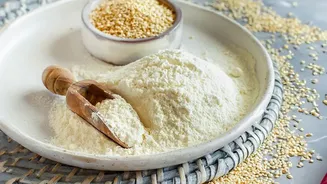
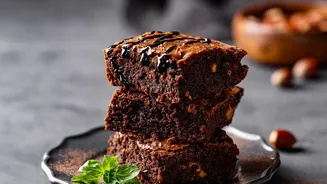
Replacing refined flour with millet flour isn't a simple one-to-one substitution. The biggest challenge is the absence of gluten, the protein that gives conventional baked goods their structure and elasticity. Without it, desserts can become dense or crumbly. Pastry chefs must become food scientists, experimenting with different millet flours—like the nutty ragi or the mild foxtail—to find the right blend. Often, they combine millet with other gluten-free flours like almond or tapioca flour to perfect the texture. They also use binding agents like xanthan gum or even natural ingredients like yogurt to replicate the chewiness we love in a classic brownie. It’s a testament to their skill that they can achieve that sought-after fudgy centre while working with entirely new ingredients.
More Than Just Healthy
While the health benefits are a major draw, this trend is equally about flavour. Millets are not a neutral ingredient; they bring their own unique character to the table. Different varieties offer a spectrum of tastes, from the mild, sweet notes of foxtail millet to the earthier, nuttier profile of ragi or bajra. Instead of detracting from the chocolate, these flavours can complement and enhance it, adding a new layer of complexity to a familiar dessert. Chefs often pair them with natural sweeteners like jaggery or date powder, which have their own rich, caramel-like notes, creating a brownie that is interesting and satisfying in its own right. This movement proves that healthy baking is not about compromise but about expanding our palate and discovering new, delicious possibilities.