





The Crowded Snack Aisle
The primary driver for this diversification is simple: the conventional snack market is incredibly competitive. For decades, brands like Haldiram's, Bikaji, and Balaji Wafers have dominated the world of namkeen and chips. However, with countless regional
players and large multinationals all fighting for the same consumer, the space for exponential growth has shrunk. The Indian namkeen market, while still growing, is pushing legacy brands to find new avenues for revenue. This has led them to look at adjacent categories where their brand equity, distribution network, and understanding of the Indian palate can be leveraged for a competitive advantage. By entering categories like frozen foods, bakery, and sweets, they are not just launching new products; they are future-proofing their businesses against market saturation.
A New Generation of Eaters
Consumer preferences in India are undergoing a massive transformation. Urbanisation, rising disposable incomes, and greater exposure to global trends have created a new kind of customer. This consumer demands convenience, is more willing to experiment with different cuisines, and is increasingly health-conscious. Snacking is no longer just a teatime activity; it's becoming a meal replacement for busy urbanites. Brands are responding to this by launching ready-to-eat (RTE) meals, frozen foods, and even breakfast items. Furthermore, the demand for 'better-for-you' options is pushing innovation towards baked, not fried, snacks, and products made with alternative grains like millets. This shift means that simply offering a tastier namkeen is no longer enough; the portfolio must reflect the modern Indian's multifaceted lifestyle.
From Kitchens to Conglomerates
Many of these heritage snack brands have ambitions that stretch beyond being just snack-makers. They aim to evolve into full-fledged Fast-Moving Consumer Goods (FMCG) giants. This ambition is often supercharged by public listings (IPOs) and private equity investments, which provide the necessary capital for aggressive expansion. For example, companies like Prataap Snacks and Bikaji Foods have used their market success to launch into entirely new segments like sweet snacks and bakery items. Bikaji has expanded into frozen foods and even Quick Service Restaurants (QSR), showcasing a clear strategy to capture a larger share of the consumer's food spending. This transition from family-run businesses to professionally managed corporations is a key factor enabling this bold diversification.
The Sweet Spot of Diversification
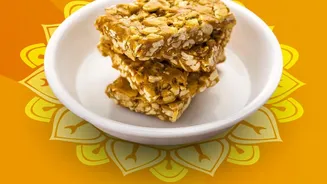
While moving into western snacks like cakes and cookies is one route, many brands are also doubling down on the massive, often unorganised, traditional sweets (mithai) market. By launching packaged and branded versions of Indian sweets like Coconut Burfi and Modaks, companies like Haldiram's are bringing organisation, hygiene, and longer shelf life to a beloved category. This strategy serves multiple purposes: it taps into the festive and gifting economy, caters to a global diaspora craving authentic flavours, and creates products with higher margins than conventional snacks. Recent launches have focused on combining traditional recipes with premium ingredients and modern packaging to appeal to a wider, aspirational audience.