




The Dawn of the Pan-India Film
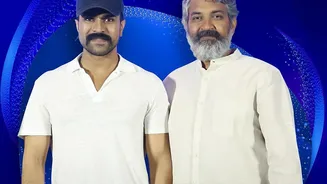
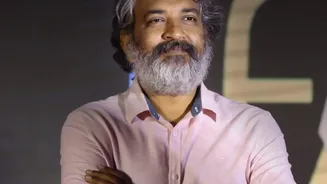
The pan-India phenomenon didn't happen overnight, but if there was a single moment that ignited the revolution, it was the release of S.S. Rajamouli's 'Baahubali' in 2015. This epic fantasy, originally made in Telugu, was dubbed and released simultaneously
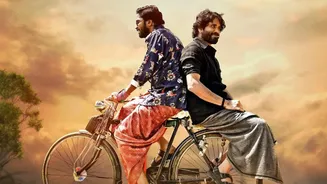
in Tamil, Hindi, and Malayalam. It shattered box office records, proving that a compelling story with grand visuals could transcend linguistic and cultural barriers. Before 'Baahubali', regional hits were often remade in Hindi. After 'Baahubali', the strategy shifted: release the original film everywhere, in every major language, at the same time. This created a national event, turning movie releases into shared cultural moments and paving the way for giants like 'K.G.F.', 'Pushpa: The Rise', and 'RRR' to dominate the national box office.
Content is King, Culture is its Kingdom
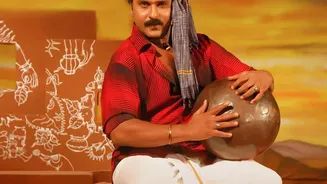
While dubbing and subtitles are the vehicles, the engine driving this success is the content itself. Many of these blockbusters are deeply rooted in regional culture, offering stories and mythologies that feel fresh and authentic to audiences tired of formulaic plots. They often feature larger-than-life heroes and high-stakes emotional drama that resonates universally. Viewers in North India, who for years were served a diet of urban-centric multiplex films, found a renewed love for the 'masala' entertainer, a void that South Indian cinema was perfectly positioned to fill. These films delivered the spectacle, action, and powerful storytelling that created a strong emotional connection, proving that a good story, told with conviction, needs no translation.
The Art of a Good Dub
For decades, dubbed films were often synonymous with poor quality, awkward lip-syncing, and unintentionally comical translations. That has changed dramatically. The success of pan-India films is heavily reliant on the investment in high-quality audiovisual translation. Filmmakers now understand that a good dub is not just about translating words but about conveying emotion and cultural nuance. This means hiring talented voice actors who can match the original performance, ensuring that the script is adapted rather than just literally translated, and maintaining high production values for the audio. Similarly, subtitles have evolved from a niche feature to a mainstream expectation, allowing audiences to enjoy the original performances while understanding the dialogue. This commitment to quality ensures a seamless viewing experience, making the language barrier practically invisible.
The OTT Streaming Catalyst
The rise of Over-The-Top (OTT) streaming platforms like Netflix, Amazon Prime Video, and Hotstar played a crucial role in preparing the audience for the pan-India wave. These platforms erased geographical boundaries, making films from Tamil, Telugu, Malayalam, and Kannada cinema easily accessible to anyone with an internet connection. Viewers across India developed a taste for diverse storytelling and grew accustomed to watching content with subtitles or in dubbed languages. Streaming platforms normalized the idea that great entertainment could come from anywhere, not just Bollywood. By the time theatres reopened post-pandemic, audiences were already primed and eager to consume regional content on the big screen, turning niche interest into a mainstream movement.
A Unified Marketing Assault
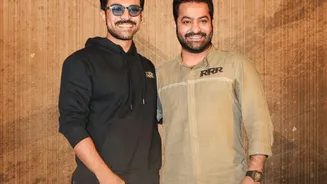
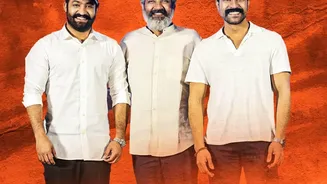
The final piece of the puzzle is a savvy, unified marketing strategy. Pan-Indian films are no longer marketed as 'regional films dubbed in Hindi'. They are presented as national cultural events from day one. This involves massive, multi-city promotional tours with stars actively engaging with media and fans in different regions. Trailers and songs are launched simultaneously in all languages, creating a unified buzz across the country. Casting also plays a role, with filmmakers often including actors from different industries—like Alia Bhatt and Ajay Devgn in 'RRR'—to create an immediate connection with diverse audience groups. This aggressive, nationwide approach ensures that by the time the film releases, it feels like an unmissable cinematic event for everyone, everywhere.