

More Than Just a Meal
Not long ago, a restaurant's festive offering might have been a special menu or a complimentary dessert. Today, the ambition is far greater. Establishments across the country are creating holistic experiences designed to transport diners. This means curated
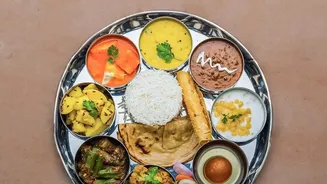
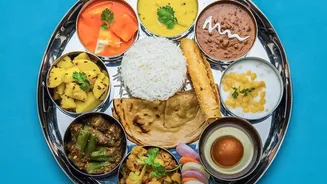
decor that transforms the space, traditional music, storytelling elements, and sometimes even live performances. An Onam Sadhya, for instance, is no longer just a large meal on a banana leaf; it's an event. Luxury hotels and specialty restaurants meticulously recreate the spirit of the harvest festival, with some offering the feast over several days to accommodate the demand. These events are designed to be memorable, shareable, and worthy of travel, attracting not just locals but also food-focused tourists.
The Economics of the Experience Economy
In an increasingly competitive market, restaurants are realizing that food alone isn't always enough to stand out. The global shift toward an 'experience economy,' where consumers prioritize memorable moments over material goods, has firmly taken root in India. Dining out is no longer just a utility; it's a primary form of entertainment. Affluent consumers, in particular, are seeking premium, social experiences that combine food, ambiance, and entertainment. By creating elaborate festival-themed events, restaurants can command higher prices, build customer loyalty, and generate significant buzz. These limited-time offerings create a sense of urgency and exclusivity, encouraging patrons to book in advance and turning a simple meal into a coveted event.
A Hunger for Authenticity and Connection
This trend is also a response to a deep-seated cultural need. For many Indians, especially those living in cities away from their hometowns, these restaurant experiences offer a powerful taste of nostalgia and a connection to their roots. A well-executed festival meal can evoke cherished memories of family gatherings and childhood celebrations. Restaurants are tapping into this by focusing on authenticity, sometimes reviving forgotten recipes and showcasing hyper-regional culinary traditions that go beyond generic pan-Indian fare. These dining experiences provide a space for community and togetherness, allowing friends and families to celebrate traditions they might otherwise miss.
Celebrating India's Culinary Diversity
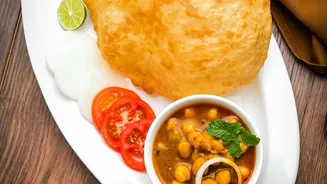
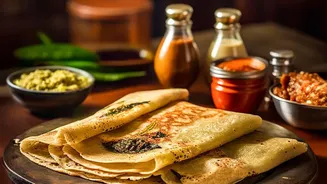
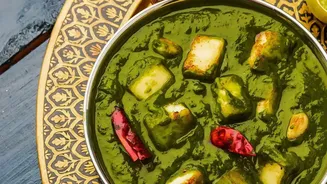
Indian food is not a monolith, and this trend is helping to highlight its incredible diversity. Festivals are often tied to specific regions, each with its own unique culinary rituals. By focusing on a single festival, restaurants can dive deep into the specific cuisines of a particular community or state. An Onam Sadhya showcases the best of Kerala's vegetarian traditions, a Durga Puja feast might feature iconic Bengali dishes, and a Bihu celebration could introduce diners to the unique flavors of Assam. This allows restaurants to move beyond stereotypes and educate diners, turning the meal into a delicious lesson in cultural geography. The result is a richer, more nuanced understanding of India's vast culinary landscape.
The Chef as Cultural Storyteller
At the heart of this movement is the evolving role of the chef. No longer just a cook, the modern chef is increasingly a curator, historian, and storyteller. Creating these festival experiences requires extensive research, a deep respect for tradition, and the creative vision to present it to a modern audience. Chefs and their teams often travel to different regions, learn from home cooks, and study the cultural significance of each dish. They are becoming custodians of culinary heritage, ensuring that traditions are not just preserved but are celebrated and passed on to a new generation of diners. Through their menus, they tell stories of harvests, history, and community, making every dish a conversation starter.