


Tens of millions of kilometres away, a priceless collection of rock and soil samples sits waiting on the surface of Mars. After previous plans proved too costly and complex, NASA is now renewing its efforts with a fresh, ambitious strategy.
A Treasure Trove on the Red Planet
Since landing
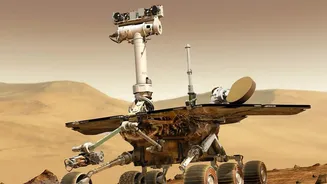
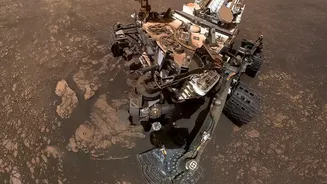
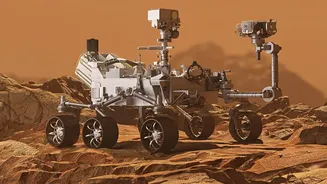
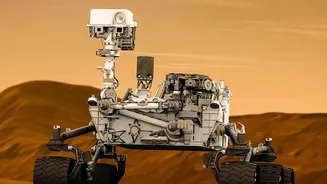
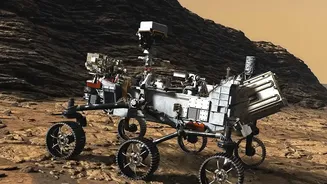
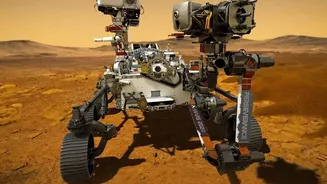
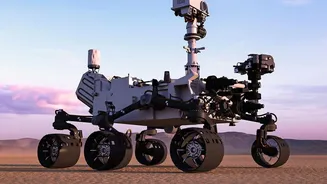
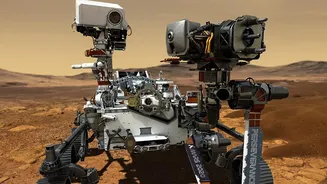
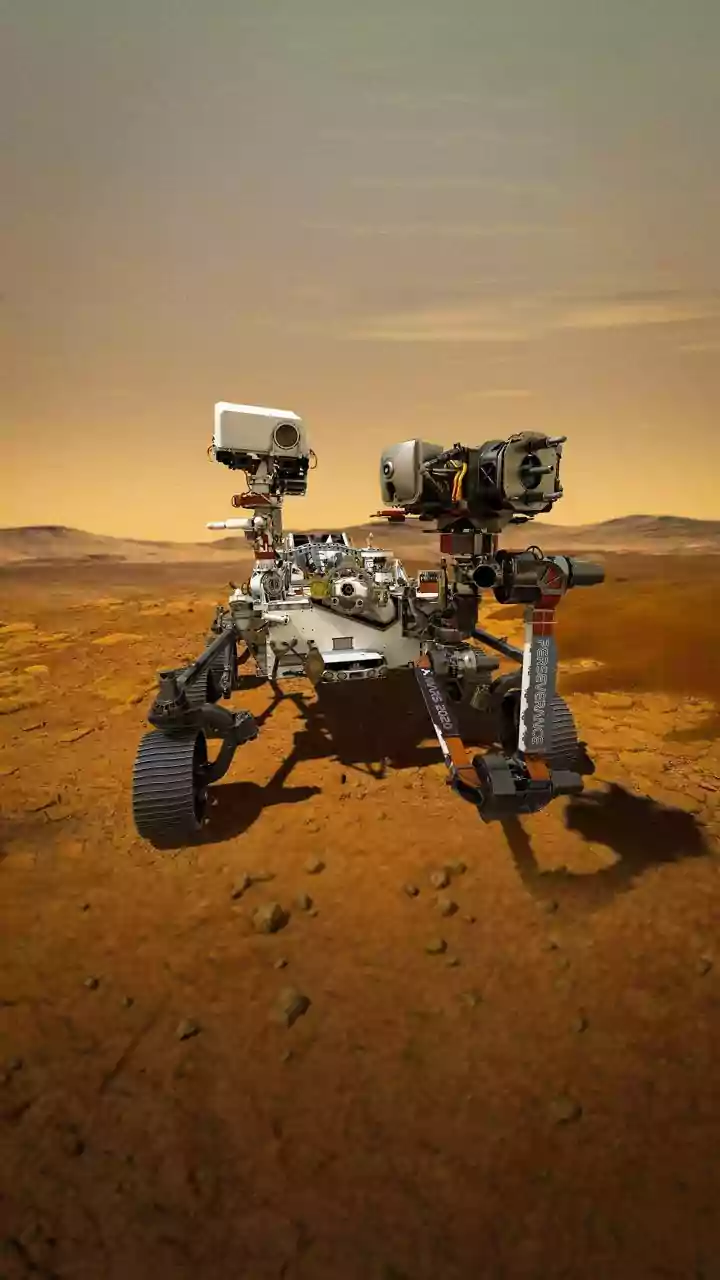
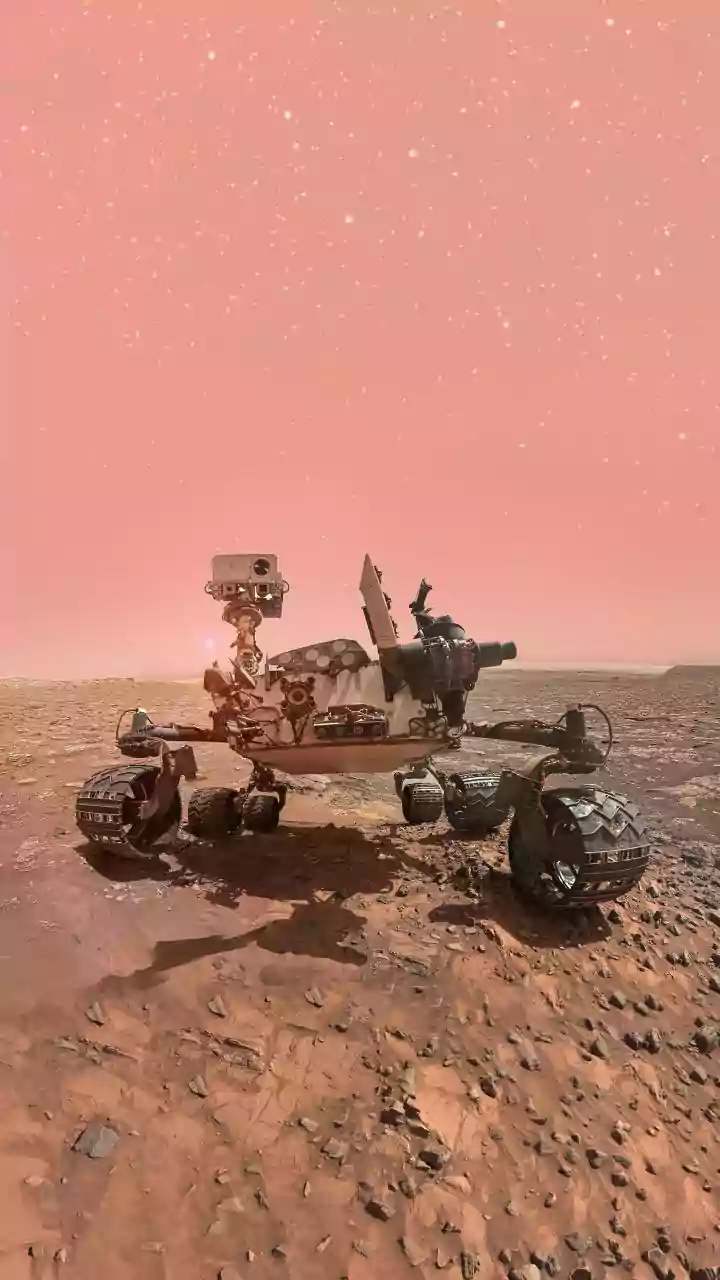
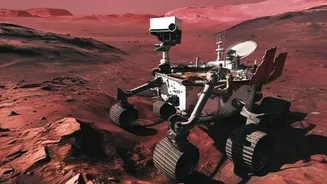
in Mars' Jezero Crater in February 2021, the Perseverance rover has been diligently at work on a historic task: collecting scientifically compelling samples of the Martian landscape. These aren't just random rocks. Each of the more than two dozen samples of rock, regolith (broken rock and dust), and even atmosphere has been carefully selected to tell a story about the planet's past. Scientists chose Jezero Crater specifically because it's an ancient lakebed, a place that more than 3.5 billion years ago held liquid water and may have been habitable. The samples collected there, from sedimentary and igneous rocks, could contain chemical fingerprints of that ancient environment and, potentially, signs of past microbial life. Perseverance has sealed these samples in ultra-clean titanium tubes, creating a collection that scientists have dreamed of for decades. Some are stored aboard the rover, while a backup depot of ten tubes has been carefully placed on the Martian surface.
When Ambition Meets Reality
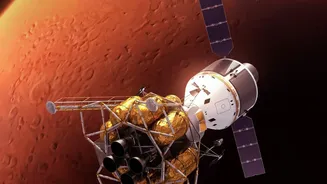
Getting the samples was phase one. Phase two, bringing them home, has proven to be a monumental challenge. The original joint NASA-ESA Mars Sample Return (MSR) campaign was an incredibly complex, multi-mission architecture. It involved a second lander, a fetch rover to collect the tubes, and a 'Mars Ascent Vehicle' to launch the samples into orbit. However, independent reviews highlighted staggering costs, with one estimate ballooning to around $11 billion and projecting a return date as late as 2040. Faced with this 'sticker shock', NASA deemed the plan too expensive and the timeline unacceptable, officially hitting the pause button on the ambitious project. The dream wasn't dead, but it was clear that the blueprint for the most audacious interplanetary delivery service ever conceived needed a complete rewrite.
A Fresh Start for a Historic Mission
In response to these setbacks, NASA announced a new initiative in early November 2026 called the Perseverance Sample Retrieval Architecture (PSRA). This isn't just a minor tweak; it's a fundamental reassessment of how to achieve the mission's goal. Announced by Tiffany Morgan, director of NASA's Mars Exploration Program, the PSRA aims to develop a more realistic and affordable path forward. The new strategy team, set to kick off its work in January 2027, will review all previous lessons learned and evaluate new capabilities and acquisition options, including potential partnerships with private industry. The goal is to produce impartial recommendations for a mission architecture that can get the job done without the astronomical price tag and extended timeline of the original plan. A final report is expected in the winter of 2027-2028, which will shape the future of this historic endeavour.
The Race to Return Martian Soil
Adding a sense of urgency to NASA's renewed efforts is the progress of other nations. China is moving forward with its own ambitious Mars sample return mission, Tianwen-3. Current plans show China aiming to launch its mission around 2028 and return about 500 grams of Martian material to Earth as early as 2031. This has been described by some as a potential 'Sputnik moment', putting pressure on NASA to finalize a viable plan of its own. While the scientific goals are paramount, the geopolitical context adds another layer of motivation for the United States and its partners to succeed in what would be the first-ever mission to launch a rocket from the surface of another planet and return to Earth.
Why the Effort Is Worth It
Despite the immense cost and complexity, the scientific payoff of returning these samples is considered revolutionary. The sophisticated instruments in laboratories on Earth far surpass the capabilities of any rover, no matter how advanced. Scientists will be able to analyze the samples for faint traces of organic molecules, determine the precise age of the rocks, and reconstruct Mars' ancient climate in unprecedented detail. These pristine pieces of Mars could provide definitive answers to one of humanity's biggest questions: did life ever exist beyond Earth? Furthermore, the samples can be preserved and re-analysed for generations to come with technologies that haven't even been invented yet, ensuring their scientific value will only grow over time.