


A New Format for a New Generation
In 2007, Twenty20 cricket was not the global phenomenon it is today. It was a fast, experimental, and largely unproven format. For many established players, who had built their careers on the endurance of Test cricket and the strategy of One-Day Internationals,
T20 seemed like a fleeting spectacle. The consensus among India's senior guard—Sachin Tendulkar, Sourav Ganguly, and Rahul Dravid—was that this explosive format was best suited for the younger, more agile players in the squad. It was viewed as a 'young man's game,' a platform for fearless, emerging talent to make a mark without the pressure of senior expectations.
A Deliberate Decision to Step Aside
The choice for the senior trio to miss the tournament was not a sudden one, but a calculated decision made for the future of the team. According to Lalchand Rajput, who was the manager of the 2007 squad, the idea was spearheaded by Rahul Dravid, the captain during the preceding tour of England. Coming off a long and gruelling tour, Dravid suggested that he, Tendulkar, and Ganguly should sit out to provide an opportunity for the youngsters. This act of stepping aside was a conscious move to empower the next generation and allow them to play with freedom in a new format. It was a collective agreement, a strategic decision to invest in the team's future rather than personal accolades.
The Context of a Team in Transition
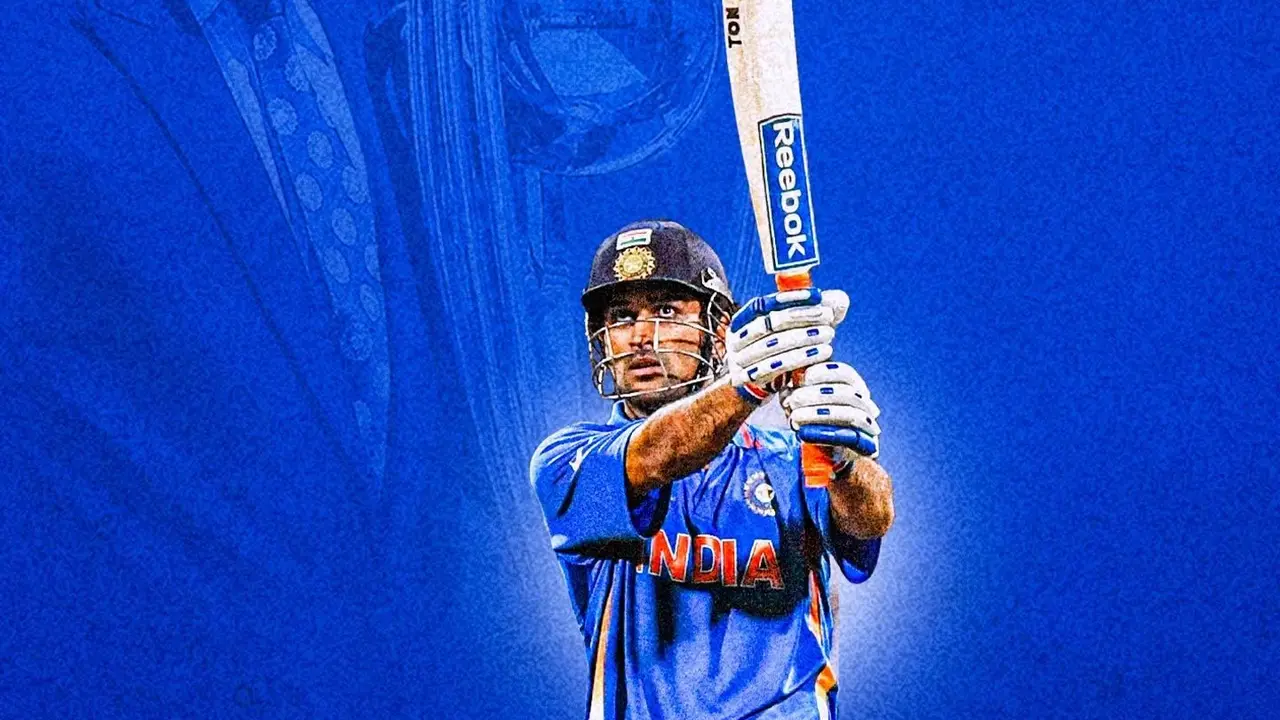
The decision was also shaped by the climate of Indian cricket at the time. The team was still recovering from a devastating first-round exit at the 50-over World Cup earlier that year. The loss had prompted calls for change and a period of transition was underway. After Dravid decided to step down from captaincy, and Tendulkar declined the role, it was Tendulkar himself who recommended a young wicketkeeper-batsman, MS Dhoni, for the leadership position. The inaugural T20 World Cup became the perfect, low-stakes environment to test a new captain and a new-look team, free from the immense pressure that accompanied the established superstars.
A Blessing in Disguise for Indian Cricket
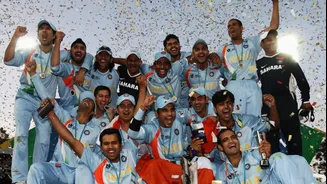
What followed was a chapter of Indian cricket history that no one saw coming. Unburdened by expectations, MS Dhoni led a fearless young squad on a dream run. The team, featuring future stars like Rohit Sharma alongside the explosive Yuvraj Singh and Gautam Gambhir, played a brand of cricket that was bold and exhilarating. Their journey culminated in a thrilling final victory against arch-rivals Pakistan, clinching the inaugural T20 World Cup title. The absence of the senior players, intended to give youth a chance, inadvertently created the perfect conditions for a revolution. It catapulted Dhoni into a new era of leadership and ignited India's passion for the T20 format, paving the way for the Indian Premier League (IPL) and the commercial giant it would become.
A Lingering Sense of 'What If'?
While the decision proved to be a masterstroke for Indian cricket, there was a personal cost. Lalchand Rajput later revealed that the senior players likely regretted their choice after witnessing the team's incredible triumph. He recalled Tendulkar often mentioning his deep desire to win a World Cup for India, a dream he would have to wait until 2011 to fulfil. While Tendulkar went on to become an icon in the IPL, his international T20 career was limited to just one match. His decision in 2007 remains a fascinating footnote—a selfless act that, while perhaps tinged with later regret, ultimately helped write one of the most glorious chapters in the nation's sporting history.