


The New Culinary Passport
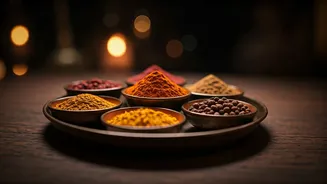
Remember the excitement of wandering through a foreign market, smelling unfamiliar spices, and tasting a dish that felt like a secret whispered from another part of the world? That sensory adventure, the very essence of foodie travel, is no longer confined
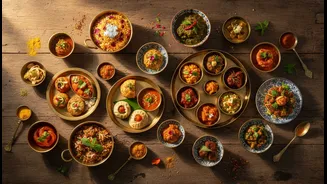
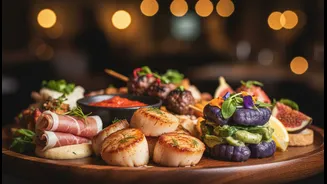
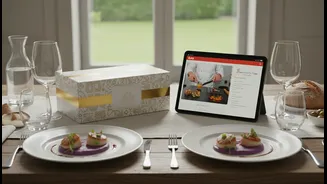
by geography. A new trend has brought the world's kitchens to ours. It’s more than just looking up a recipe online; it's an immersive experience. We're talking about curated meal kits with authentic, hard-to-source ingredients for Japanese Udon, virtual cooking classes taught live by a chef in Tivoli, Italy, and subscription boxes that promise a new country's cuisine every month. This isn’t just cooking; it’s about recreating the context, the story, and the soul of a dish, turning a simple weeknight dinner into a delicious act of exploration.
From Wanderlust to the Kitchen Counter
The global pause on travel certainly acted as a catalyst, forcing wanderlust-filled food lovers to find new outlets for their passion. Companies that once offered in-person food tours quickly pivoted to online experiences, connecting home cooks with hosts across the globe. But what began as a temporary solution has blossomed into a lasting shift in culinary habits. The reasons are clear: it’s convenient, often more affordable than a flight, and it offers a deep, hands-on connection to another culture. Platforms have emerged that allow you to learn ancestral cooking techniques directly from the people who have preserved them for generations, fostering a sense of connection that a restaurant meal, however fancy, often cannot replicate.
A Curated World in a Box
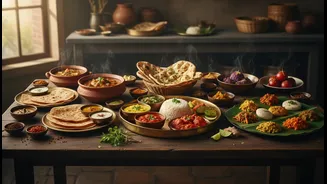
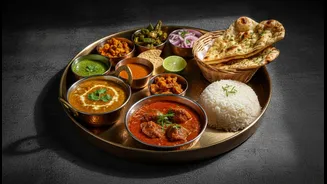
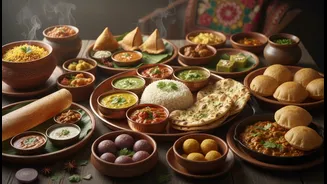
The engine behind this trend is a burgeoning industry dedicated to delivering authentic culinary experiences. In India, startups and established brands now offer everything from gourmet boxes focused on specific ingredients like cheese or coffee to comprehensive meal kits for preparing complex global dishes. Some services provide all the pre-portioned ingredients and spices needed to cook a three-course Vietnamese or Greek meal from scratch. Others focus on healthy, ready-to-cook sauces and meal kits for those with less time. This ecosystem makes it possible to tackle recipes that once seemed intimidating. You can find kits with the specific atta flour for pyaaz paratha or the right kind of mushrooms for a Japanese hot pot, ingredients that might not be available at a local store.
More Than Just a Meal
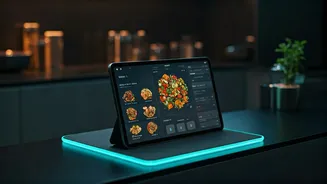
The appeal of this trend goes beyond simply satisfying hunger. It's about engagement and education. When you join a live, interactive cooking class, you're not just following instructions; you're having a conversation. You can ask a chef in Rome for tips on making the perfect handmade pasta or share a laugh with fellow home cooks from around the world. It’s a shared activity that can bring families and friends together, even virtually. This approach transforms cooking from a chore into a hobby and a form of entertainment. It’s about the joy of learning a new skill, understanding the story behind a family recipe, and creating a memorable experience that nourishes both body and soul.
The Future of Flavour
As the world opens up again, does this mean the end of at-home culinary travel? Not at all. Instead, it has carved out a permanent space in our dining habits. It complements, rather than replaces, physical travel. Perhaps an at-home Greek meal kit inspires a future trip to the Aegean islands, or a virtual class on Argentinian cuisine becomes a cherished memory in its own right. This trend has democratized foodie travel, making it accessible to anyone with a kitchen and a curious palate. It has expanded our definition of a travel experience, proving that a deep cultural connection can be forged over a steaming pot of noodles, no matter where you are in the world. The adventure is no longer just out there; it's in here, waiting in our pantries and on our screens.