






Speak Your Home's Language
Before you even pack your bags, the most crucial step is to understand the material palette of your own home. Do you lean towards light, airy woods and soft linens? Or is your space defined by the cool touch of stone and the gleam of brushed metal? Identifying
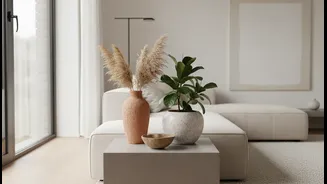
your home's core materials is like learning its language. Take a mental inventory: the grain of your dining table, the weave of your favourite throw blanket, the finish on your cabinet handles. These are the clues that will guide you to treasures that feel curated, not cluttered. Interior design in 2026 is seeing a strong return to natural and sustainable materials like solid wood, artisanal ceramics, and natural stone. This shift towards warmth and authenticity means your home already has a foundation. The goal is to find pieces abroad that speak this same language.
Woven Stories and Natural Fibres
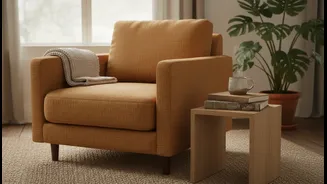
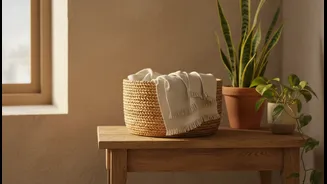
Textiles are one of the easiest and most impactful souvenirs to bring home. They are lightweight, easy to pack, and add instant texture and warmth. But instead of buying a generic print, think about the fibres that will complement your space. A handwoven wool blanket from Scotland can share a textural story with the bouclé armchair in your living room. A delicate, block-printed cotton tablecloth from Jaipur can echo the organic cotton napkins you already use. In places like Morocco, you might find a Berber rug whose earthy tones and rustic wool feel right at home on your wooden floors. These pieces do more than just decorate; they become functional parts of your daily life, transforming a simple object into a constant, tactile reminder of a place and its craftspeople. By focusing on the material—be it linen, wool, or cotton—you ensure the new piece harmonises with the textiles already telling your home's story.
Echoes of the Earth: Stone and Clay
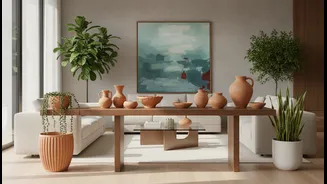
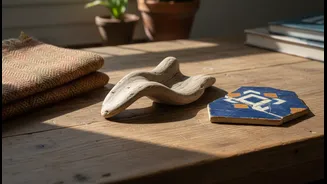
The trend towards earthy, natural tones like sand, ochre, and terracotta is strong. This makes ceramic and stone objects from your travels particularly relevant. Imagine a rough, hand-thrown terracotta pot from a market in Mexico, its warm clay tones picking up the warmth in your wooden furniture or complementing a palette of soft neutrals. In Japan, you might find a piece of matte stoneware whose subtle imperfections celebrate the wabi-sabi aesthetic of finding beauty in imperfection. These items bring an organic, grounding element into your home. When you visit a place known for its stonework, like Italy or Greece, even a small marble dish or a set of stone coasters can feel like a substantial, timeless connection to that culture. These pieces are not just souvenirs; they are fragments of the earth, shaped by hands from another part of the world, ready to continue their story on your shelf.
The Warmth of Wood and Metal
Mixing wood tones is a defining look for interiors, moving away from the idea that everything must match perfectly. This gives you incredible freedom when travelling. A hand-carved wooden bowl from a craftsman in Thailand or an olivewood serving spoon from the Mediterranean can add a new, harmonious layer to your existing collection. Look for woods with interesting grains and a handmade quality that feels personal and authentic. Similarly, metalwork can add a layer of history and warmth. Instead of mass-produced trinkets, seek out a brass lantern from a souk in Marrakech or hand-forged iron hardware from a Spanish market. These items have a patina and character that can't be replicated. They connect not only to the metal finishes you may already have in your home—from light fixtures to frames—but also carry the mark of their maker, adding a soulful gleam to your space.
Shopping with Intention
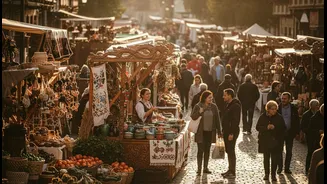
Ultimately, creating a home that reflects your journeys is about mindful curation. It's about looking beyond the tourist shops and seeking out local markets, artisan workshops, and small boutiques where you can find items with a story. The goal isn't to create a theme park of your travels, but to thoughtfully integrate pieces that have personal meaning and material resonance. This approach transforms shopping from a passive activity into an active treasure hunt. You're not just buying an object; you're choosing a piece of a place that already feels like it belongs with you. By focusing on materials you love, you ensure that every find, whether a simple ceramic cup or an intricate textile, will enhance your space and enrich your daily life with the spirit of your adventures.