







The Economics of 'Wow'
The primary driver is simple economics. Big-budget spectacle films are designed from the ground up to be global events. With budgets that can soar past $200 million for production and an almost equal amount for marketing, studios are making an enormous
bet. To make that bet pay off, they need to appeal to the widest possible audience, transcending language and cultural barriers. Visual storytelling—explosions, stunning vistas, and elaborate action sequences—translates perfectly in every market, unlike nuanced, dialogue-heavy dramas. Since the early 2000s, international revenues have consistently surpassed the domestic US market, now often accounting for over 70% of a blockbuster's total earnings. This global focus makes visually-driven stories a much safer and more profitable investment for studios aiming for billion-dollar returns.
The 'Cinema-Worthy' Experience
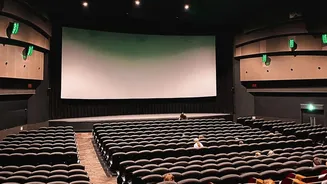
The rise of high-quality home entertainment systems and streaming services has fundamentally changed what audiences are willing to leave their homes for. Why pay for a ticket, travel, and expensive popcorn to see a film that would feel just as impactful on your living room TV? This question is at the heart of the modern cinema business. The answer theaters and studios have settled on is 'the experience'. Premium formats like IMAX and Dolby Cinema, with their enormous screens and immersive, bone-rattling sound systems, offer something that simply cannot be replicated at home. These technologies are tailor-made for spectacle, turning a movie into a physical, all-encompassing event. This makes the high ticket price feel justified for a blockbuster, while a quiet drama can feel like a poor value proposition in the same environment.
Streaming Becomes the Home for Drama
While spectacle films have tightened their grip on cinemas, dramas have found a new, thriving home on streaming platforms. Services like Netflix, Amazon Prime Video, and others offer a convenient and affordable way to consume story-driven content. For a monthly fee, subscribers get access to a vast library of films, including the mid-budget dramas and independent films that studios are increasingly hesitant to fund for theatrical release. This creates a feedback loop: as audiences get used to watching dramas at home, they become less likely to seek them out in theaters. Consequently, theaters dedicate fewer screens to these films, which then underperform at the box office, reinforcing the studio belief that only major blockbusters are worth a wide theatrical push.
Franchises, Marketing, and Mindshare
Modern blockbusters are rarely standalone stories. They are often part of massive, interconnected universes and franchises, from Marvel to Star Wars to Jurassic World. This pre-existing intellectual property (IP) comes with a built-in audience and reduces the financial risk for studios. The marketing campaigns for these films are relentless, creating a sense of a can't-miss cultural moment. They dominate advertising, social media, and news cycles for weeks leading up to their release, ensuring they occupy a massive amount of public 'mindshare'. A smaller drama, with a fraction of the marketing budget, simply cannot compete for that level of attention. It becomes a choice between seeing the movie everyone will be talking about or taking a chance on something unknown.