




A New Ridership Milestone
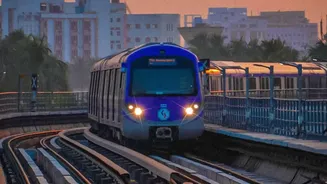
During the pre-Diwali rush on November 2, 2026, a staggering 1.6 million passengers travelled on the Delhi Metro’s driverless trains in a single day. This figure accounted for one in every five of the network's eight million daily passengers, showcasing
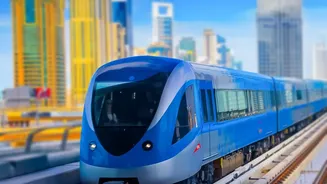
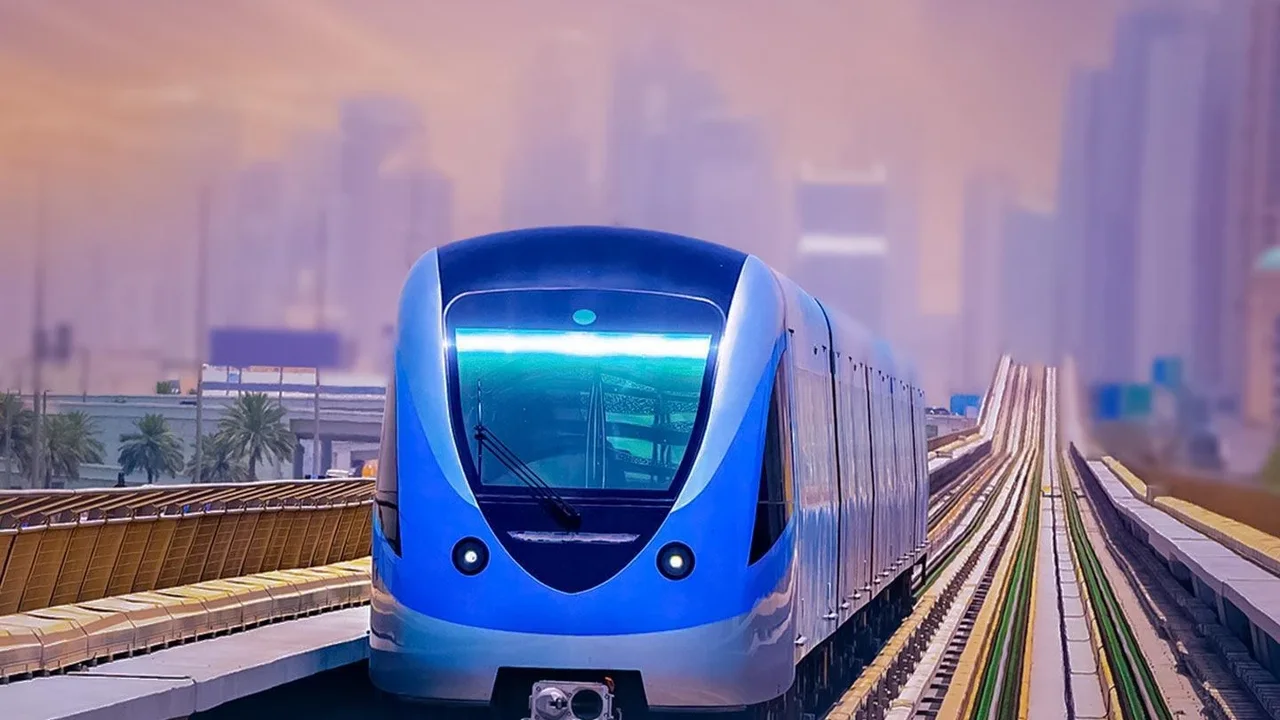
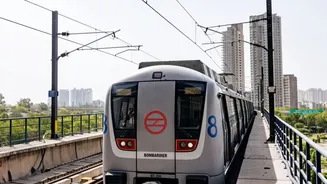
a growing reliance on and trust in the automated system. The record highlights the success of the Unattended Train Operation (UTO) system, which currently runs on the Magenta and Pink Lines. First introduced in December 2020 on the Magenta Line, this technology has become an integral part of Delhi's public transport infrastructure, proving its efficiency and capacity during peak travel seasons.
The Current Driverless Network
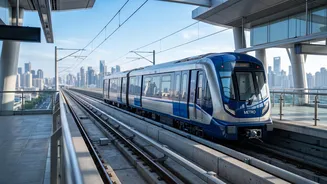
As of late 2026, the Delhi Metro Rail Corporation (DMRC) operates one of the largest driverless networks in the world. Approximately 100 automated trains run along the Magenta Line (Janakpuri West to Botanical Garden) and the Pink Line (Majlis Park to Shiv Vihar), covering a combined distance of about 120 kilometres. This constitutes nearly 30% of the entire Delhi Metro network. The system, which operates with the highest Grade of Automation (GoA) 4, relies on advanced Communication-Based Train Control (CBTC) to manage train movements, ensuring high frequency and safety without a driver in the cabin.
The Phase 4 Expansion
The success of the current driverless corridors has set the stage for a major expansion under Phase 4 of the Delhi Metro's development. The plan is to extend the driverless network from 120 km to nearly 198 km. Key corridors slated for this upgrade include extensions of the existing driverless lines and a brand-new corridor. The Magenta Line will be extended from Janakpuri West to R.K. Ashram Marg, and the Pink Line will be extended from Majlis Park to Maujpur. Furthermore, the new Aerocity to Tughlakabad 'Golden Line' will be built with driverless technology from the outset. These expansions will not only enhance connectivity but also solidify Delhi’s position as a global leader in automated urban transit.
Benefits for the Daily Commuter
For the millions who rely on the metro, driverless technology translates into tangible benefits. The automated system allows for greater operational flexibility, meaning trains can be deployed faster and more frequently, especially during peak hours. This reduces waiting times and eases congestion on platforms. According to DMRC officials, automation also minimizes human error, leading to more reliable and predictable schedules. The trains undergo exhaustive self-tests before service, enhancing safety and reliability. While the driver's cabin is removed, freeing up more space for passengers, DMRC has assured that no staff have been laid off, instead redeploying them to roles like station management and crowd control.
Building a Future-Ready Transit System
The push for driverless technology is a strategic move to future-proof Delhi's transport network. While some critics point to the high initial investment costs, proponents argue that the long-term benefits of efficiency, safety, and increased capacity are undeniable. The expansion under Phase 4, part-funded by international agencies like the Japan International Cooperation Agency, includes not just new tracks but also the procurement of new-generation trains manufactured in India. By adopting and expanding this technology, Delhi Metro is setting a benchmark for other Indian cities, demonstrating how automation can be harnessed to build a more efficient, reliable, and modern public transportation system for a rapidly growing urban population.