
The Living Magic of Fermentation
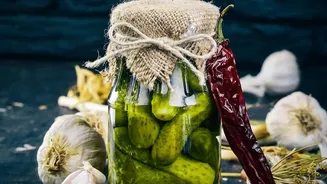
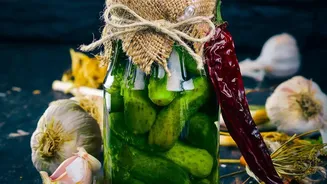
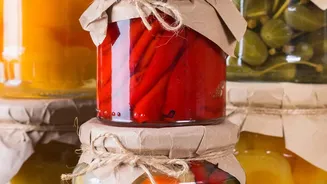
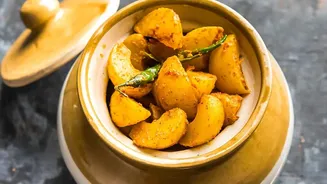
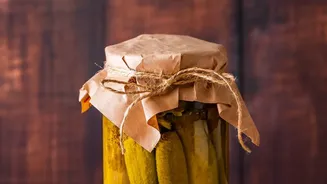
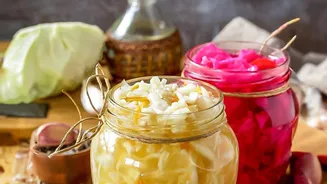
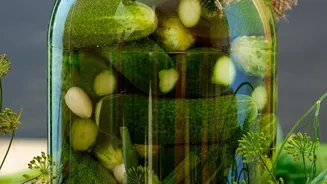
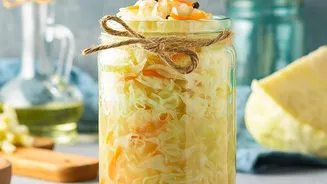
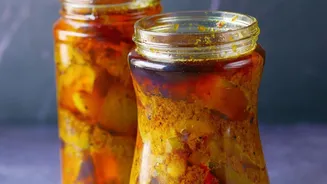
At the heart of a traditional Indian pickle is the age-old process of natural fermentation. Unlike many commercial varieties that rely on vinegar for preservation, homemade pickles are typically prepared by curing vegetables or fruits in salt and oil,
and then allowing them to age, often in the sun. This slow process encourages the growth of beneficial live bacteria, most notably Lactobacillus. These bacteria, known as probiotics, break down sugars in the ingredients to create lactic acid. This acid not only preserves the pickle but also turns it into a living food, teeming with microbes that are essential for a healthy digestive system.
Your Gut's Guardian During Monsoon
The monsoon season, with its high humidity and increased risk of water contamination, creates a perfect storm for gut-related issues. Cases of indigestion, bloating, diarrhoea, and other stomach infections see a sharp rise during these months. The probiotics found in naturally fermented pickles help to fortify your gut microbiome, which is your body's first line of defence. A robust gut flora can enhance your immunity, improve digestion, and make you more resilient against the harmful pathogens that thrive in damp weather. Think of it as reinforcing your internal army just when it's most needed.
A Symphony of Beneficial Spices
Indian pickles are more than just fermented vegetables; they are a complex blend of powerful spices, each serving a purpose beyond flavour. Turmeric (haldi) is a potent anti-inflammatory and antiseptic. Mustard seeds (rai) and fenugreek (methi) not only act as preservatives but also aid digestion and can help regulate blood sugar. Asafoetida (hing) is legendary for its ability to reduce gas and bloating. This potent combination of spices works synergistically with the probiotics to stimulate digestive enzymes, making it easier for your body to break down food and absorb nutrients, a welcome benefit when digestion tends to be sluggish.
Homemade vs. Store-Bought: Not All Pickles Are Equal
It's crucial to understand that these profound health benefits are largely exclusive to traditionally made, unpasteurised pickles. The vast majority of commercially produced pickles you find on unrefrigerated supermarket shelves are preserved using vinegar or have been pasteurised—a process of heat treatment that kills all bacteria, including the beneficial probiotics. While they may satisfy a craving, they lack the live cultures that provide gut support. For the true microbiome benefits, the pickle must be a product of natural fermentation, which is why homemade versions or those from small-batch producers who use traditional methods are far superior.