
Beyond Birds and Breezes
For decades, our understanding of how forests regenerate has been dominated by two main characters: the wind, carrying light seeds for miles, and birds, which eat fruits and deposit seeds far from the parent plant. While both are undeniably important,
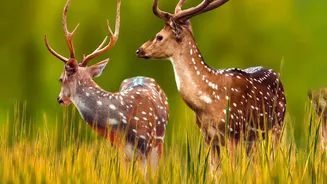
this view is incomplete. It overlooks a powerful force working tirelessly at the ground level. A wealth of recent research, culminating in a landmark global analysis, has shifted the focus to the crucial role of non-flying animals. Scientists have found that from primates and tapirs to rodents and even carnivores, mammals are essential architects of plant communities around the world, responsible for dispersing the seeds for a majority of tree species, particularly in the tropics.
The Groundbreaking Global Picture
To grasp the scale of this terrestrial transport system, researchers undertook a monumental effort. One major study published in the journal Science synthesized data from thousands of individual field studies from around the globe. Using sophisticated machine learning models, scientists mapped the contributions of hundreds of bird and mammal species to seed dispersal. By comparing the current state of dispersal with a pre-human-impact baseline, they were able to quantify for the first time just how much we have lost. The findings were stark, providing a comprehensive and concerning look at a vital ecosystem function that has been severely degraded.
The Unsung Gardeners of the Forest
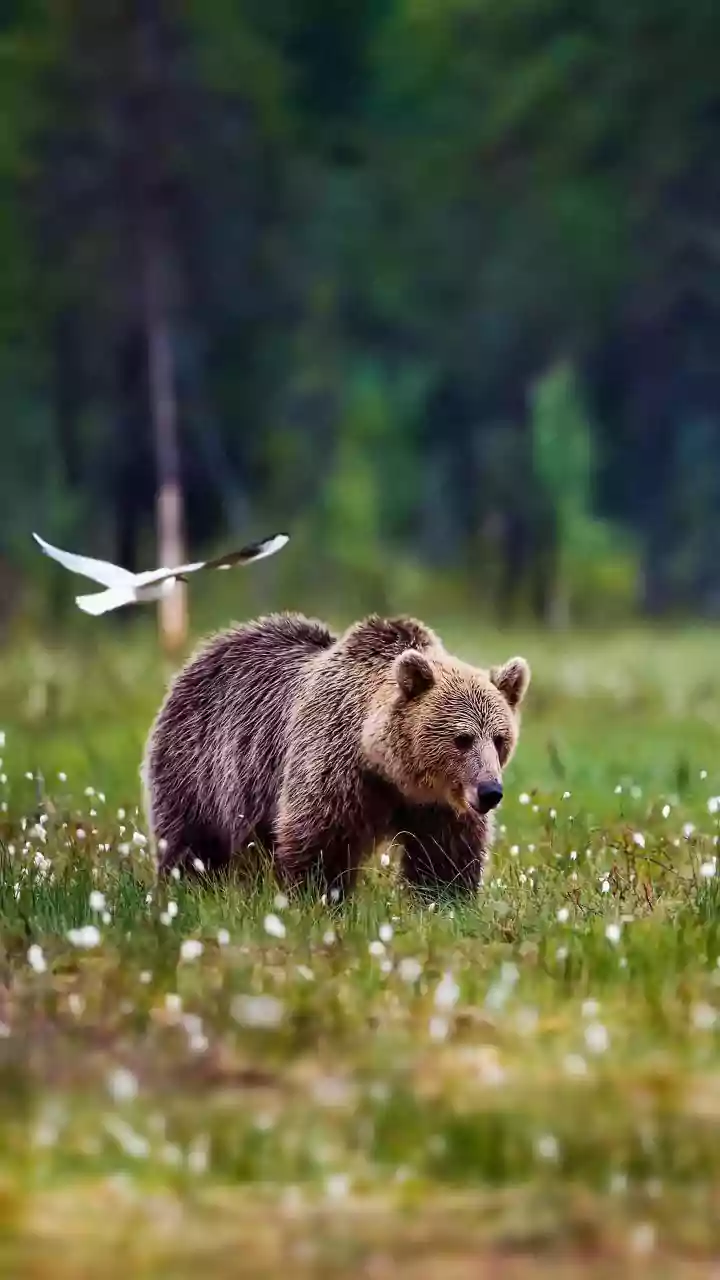
The research highlights a diverse cast of animal gardeners. Large mammals are particularly vital. Tapirs, for example, are known to consume the fruits of dozens of plant species, their large size allowing them to swallow and pass large seeds that smaller animals cannot. In the Amazon, the agouti, a type of rodent, is famously the only animal capable of opening the tough pod of the Brazil nut, making it a key disperser for the tree. But the network is even broader, including monkeys, elephants, and bears. These animals don't just carry seeds; their digestive systems often help prepare the seeds for germination, giving them a better chance at survival after being deposited in a new, nutrient-rich location.
A Fragile and Failing Partnership
This intricate relationship between plants and animals is now under severe threat. The same study that illuminated the importance of these animals also delivered a dire warning: due to species loss and population decline from hunting and habitat fragmentation, plants' ability to keep pace with climate change by moving to more suitable habitats has been slashed by 60 percent globally. As the climate warms, many plant species need to shift their range, but they can only move as far as their animal partners can carry them. With fewer large animals to transport seeds over long distances, many plants are effectively stranded. In some temperate regions of North America and Europe, where many large fruit-eating mammals have already been lost, the capacity for plants to track the changing climate has fallen by as much as 95 percent.
The Ripple Effect on Ecosystems
The consequences of this broken partnership ripple throughout the entire ecosystem. It's not just about the survival of individual plant species; it's about the health and resilience of our forests. Healthy, diverse forests are better at sequestering carbon, regulating water cycles, and supporting a wide web of life. When the most effective seed dispersers disappear, forests can become less diverse and dominated by wind-dispersed species, fundamentally altering their structure and function. This loss of animal-driven regeneration directly impacts the climate-fighting potential of our forests, highlighting the deep connection between the biodiversity crisis and the climate crisis.