






The Double Threat of Heat and Humidity
Running in high humidity is uniquely challenging. Your body’s primary cooling mechanism is the evaporation of sweat from your skin. When the air is already saturated with moisture, that sweat can't evaporate efficiently. This traps heat, causing your core
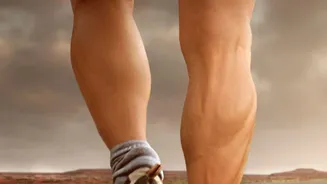
body temperature to rise faster. In response, your body works overtime, diverting more blood flow to the skin to try and cool down. This is where the trouble starts for your muscles. With blood being redirected to your skin, less oxygen-rich blood reaches your hardworking muscles. This can lead to a quicker onset of fatigue, decreased muscle endurance, and that familiar feeling of heavy legs long before you’ve hit your usual distance.
What Is a Contrast Shower?
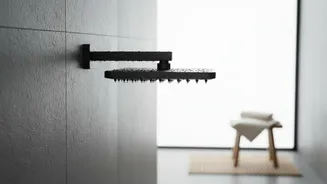
Enter the contrast shower. It’s a form of hydrotherapy that involves systematically alternating between hot and cold water during a single shower session. The premise is simple, but the physiological effects are profound. While athletes have been using hot and cold immersion therapies for decades, the shower method makes this powerful recovery tool accessible to everyone, no expensive ice baths or saunas required. The rapid change in temperature is what kickstarts the recovery process, providing a unique stimulus that passive rest cannot replicate.
The Science Behind the Shock
The magic of contrast showers lies in two opposing reactions: vasodilation and vasoconstriction. The hot water causes vasodilation, widening your blood vessels and increasing blood flow to the muscles, delivering fresh oxygen and nutrients for repair. The sudden switch to cold water causes vasoconstriction, where the vessels narrow, reducing blood flow. This process helps limit inflammation and swelling, which is a major cause of post-exercise soreness. By alternating between hot and cold, you create a “pumping” action in your circulatory system. This vascular pump is thought to be highly effective at flushing out metabolic waste products, such as lactic acid, that build up during strenuous exercise and contribute to fatigue and soreness.
Your Guide to Taking the Plunge
Incorporating contrast showers into your routine is straightforward. After your run and initial cool-down, hop into the shower. Start with your normal, comfortable temperature to wash off. Then, begin the cycle: 1. Hot Phase: Turn the water as hot as you can comfortably tolerate for about 2 to 3 minutes. Focus the water stream on the major muscle groups you worked, like your quads, hamstrings, and calves. 2. Cold Phase: Switch the water to as cold as you can stand for 60 seconds. It will be a shock at first, so focus on controlling your breathing. The goal is to create a significant temperature difference. 3. Repeat: Alternate between the hot and cold phases for 3 to 5 cycles. 4. Finish Cold: It's generally recommended to end your final cycle on cold. This helps to continue the anti-inflammatory response and can leave you feeling alert and invigorated.
Key Benefits for Runners
For runners battling humid conditions, the benefits are clear. The primary advantage is accelerated recovery. By reducing inflammation and efficiently clearing waste products, contrast showers can decrease the severity of Delayed Onset Muscle Soreness (DOMS). This means you feel less stiff and sore in the 24 to 48 hours following a tough run. Research has shown that contrast therapy can help athletes feel less fatigued and return to a performance-ready state more quickly. Beyond muscle recovery, this practice may also improve overall circulation, boost alertness, and even support your immune system, making it a powerful tool for consistent training.
Important Safety Considerations
While generally safe, contrast showers place a significant demand on your circulatory system. Individuals with pre-existing cardiovascular conditions, high blood pressure, diabetes, or nerve-related issues like neuropathy should consult a doctor before trying this method. The rapid changes in blood pressure can be risky for some. Pregnant women are also advised to avoid this practice. If you're new to it, start with a less extreme temperature difference and gradually increase the contrast as your body adapts. Always listen to your body; if you feel dizzy or unwell, stop immediately.