

The Foundation: Choosing Your Ingredients
The journey to a perfect edible gift begins with your ingredient list. The components you choose are the single biggest factor in determining both the flavour and the stability of your final product. For gifts that need to last, focus on ingredients with low
moisture content and natural preservative qualities. Items high in sugar, salt, or acid tend to have a longer shelf life. For example, jams and preserves are classic gifts because the high sugar content inhibits bacterial growth. Similarly, spiced nuts, granola, and some types of cookies and biscotti are excellent choices because they are dry and sturdy. Be cautious with ingredients that require refrigeration, such as fresh dairy, cream cheese, or certain eggs, unless you are hand-delivering the gift and can ensure it remains chilled. Mixes in a jar—like for hot chocolate, soup, or cookies—are a fantastic option as the ingredients are kept dry and separate, leaving the recipient to add the fresh components, guaranteeing freshness.
The Science of Shelf Life
Understanding shelf life is about managing expectations for both you and your recipient. Not all homemade treats are created equal. Dense, dry cookies like shortbread and biscotti will last much longer than soft, chewy cookies. Items with high fat content, like toffee or caramel, can also be quite stable. A good rule of thumb is to consider how the item is stored in your own kitchen; if it needs to be in the fridge, your recipient will need to do the same. It is crucial to avoid ambiguity. Delicate items that are best consumed within a day or two should be gifted to neighbours or local friends with a clear note about freshness. For items being shipped or given to someone you won't see for a while, choose recipes specifically designed for longevity, such as spice rubs, infused vinegars, or vacuum-sealed baked goods. A homemade granola can last for a couple of months in an airtight container, while certain fudges might only last a week or two at room temperature.
Perfecting the Packaging
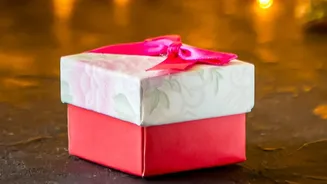
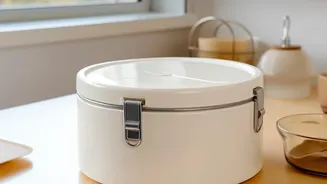
Packaging is more than just decoration; it is a critical tool for preservation. The most important rule for most baked goods and treats is to use an airtight container. This prevents dry items from absorbing moisture and becoming soggy, and moist items from drying out and becoming stale. Tins, glass jars with tight-sealing lids, and even high-quality resealable plastic containers are excellent choices. When packing different types of treats together, use wax or parchment paper to separate layers and flavours. For instance, you would not want a mint-flavoured truffle to make your shortbread taste of mint. If sending a variety, it’s often best to package strongly flavoured items separately. For liquids like infused oils or syrups, ensure bottles are sterilised and sealed tightly to prevent leaks and contamination. The right packaging not only protects your hard work but also turns a simple treat into a beautiful, professional-looking present.
The Final Touch: Clear Storage Instructions
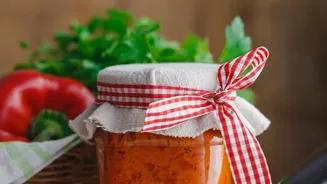
The most considerate thing you can do for your recipient is to eliminate any guesswork. A beautiful jar of homemade chutney is wonderful, but only if the recipient knows to refrigerate it after opening. Always include a small label or tag with clear and simple instructions. The tag should include the name of the item, the date it was made, and storage guidelines. For example: “Spiced Apple Chutney, made Dec 2026. Refrigerate after opening. Best enjoyed within 2 months.” This simple step prevents your gift from being stored improperly, which could lead to spoilage or, worse, foodborne illness. Including a list of ingredients is also a thoughtful touch, especially considering potential food allergies like nuts, dairy, or gluten. This transparency shows you care about the recipient’s well-being and ensures they can enjoy your delicious gift without worry.