




The Monsoon's Reach This July
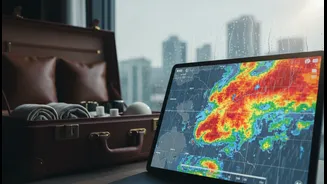
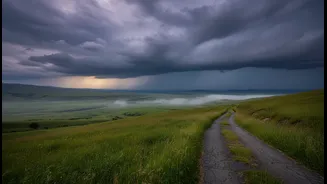
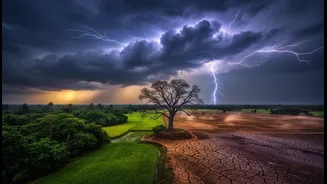
The Southwest Monsoon is in full swing, having advanced across most of the country. According to the India Meteorological Department (IMD), heavy to very heavy rainfall is battering large parts of India, from the west coast to the Himalayan foothills
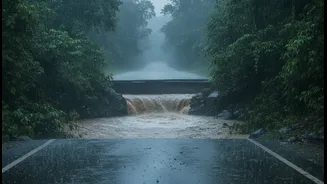
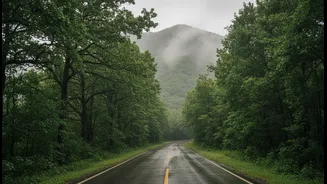
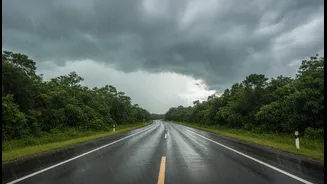
and the northeast. States like Maharashtra, Goa, and Karnataka are experiencing persistent, heavy showers, leading to waterlogging and the risk of floods. In North India, Himachal Pradesh and Uttarakhand are on high alert for landslides and flash floods, with many roads already facing closures. Delhi and surrounding regions like Haryana and Uttar Pradesh are also grappling with intense downpours, causing significant traffic disruption and urban flooding. This widespread activity means that virtually no region is untouched, making pre-travel checks more critical than ever.
Decoding the IMD’s Colour-Coded Warnings
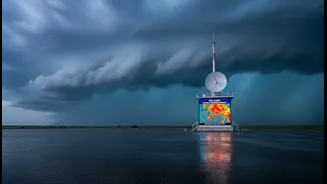
For travelers, understanding the IMD’s alerts is the first line of defense. These colour codes are not just suggestions; they are crucial advisories for safety and planning. A 'Green Alert' means no adverse weather is expected, so you can proceed with your plans. A 'Yellow Alert' advises you to 'Be Aware'. It indicates potentially bad weather that could disrupt your day, so it’s wise to keep an eye on updates. An 'Orange Alert' means 'Be Prepared'. The IMD expects weather that could significantly impact travel, including transport delays, road closures, and power cuts. This is a signal to reconsider non-essential travel. A 'Red Alert' is a warning to 'Take Action'. It signifies a forecast of extremely bad weather that poses a risk to life and property. All travel to or within red-alert zones should be avoided.
High-Risk Zones vs. Safer Bets
Given the current conditions, several popular tourist destinations carry significant risks. The hill stations of Himachal Pradesh and Uttarakhand, while beautiful, are prone to landslides, with authorities warning tourists to be cautious. Similarly, the Konkan coast, including Goa and parts of Maharashtra, is receiving extremely heavy rainfall, making beach activities unsafe and leading to advisories against venturing into the sea. In Karnataka, landslides have led to the closure of tourist spots like Raja's Seat in Madikeri. Conversely, some regions are comparatively safer. Areas in a 'rain shadow' like Ladakh remain largely dry and accessible. Parts of Rajasthan, like Udaipur, receive lighter monsoon showers that enhance the city's beauty without causing major disruptions. However, even in these areas, it's essential to check local conditions before travelling.
Your Monsoon Travel Checklist
If travel is unavoidable, preparation is key. First, book flexible flights and hotels that allow for last-minute cancellations or changes, as weather can turn quickly. Always book early morning flights, as they are less likely to be affected by afternoon thunderstorms and cascading delays. Before leaving home, check the IMD's official website and the social media handles of local police and disaster management authorities for the latest advisories. Pack a waterproof bag with essentials: a change of clothes, necessary medications, a power bank, and a rain jacket. Never attempt to cross waterlogged streets or drive through areas with landslide warnings. Finally, always leave a buffer of one or two days in your itinerary to account for potential delays.
The Tourism Industry Adapts
The travel and tourism industry is slowly adapting to this new reality. Many hotels in high-rainfall areas are offering flexible booking policies and special monsoon packages designed around indoor activities or scenic drives rather than outdoor treks. Tour operators are increasingly transparent about potential risks and are building more flexible itineraries. Some states have also improved their safety infrastructure, with police-verified taxi programs and traveller helplines. This shift reflects a growing understanding that monsoon tourism is not just about discounts anymore; it's about providing a safe and reliable experience despite the unpredictable weather. For travellers, this means looking for operators and hotels that prioritize safety and communication.