






Keep Your Scalp Clean and Dry
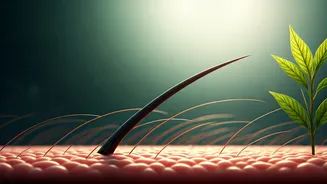
The number one rule for monsoon hair care is maintaining a clean scalp. Increased humidity makes your scalp a breeding ground for fungal infections and dandruff, which are major culprits behind hair fall. [1, 9] Dermatologists recommend washing your hair 2-3
times a week with a mild, sulphate-free shampoo to remove sweat, oil, and pollutants without stripping natural oils. [1, 6] If you get caught in the rain, make sure to wash your hair as soon as possible, as rainwater can contain pollutants that weaken the hair. [6, 9] Crucially, never leave the house with wet hair or tie it up when damp, as this weakens the roots and can lead to breakage. [1, 6] Allowing your hair to air-dry or using a gentle microfibre towel is your best bet. [1, 4]
Combat Frizz with Smart Conditioning
Humidity is the main reason your hair turns into a frizzy, unmanageable mess. When the air is moist, dry and porous hair shafts absorb the moisture, causing them to swell and the cuticle to lift. [9, 11] The key to fighting this is hydration and sealing the cuticle. Always use a conditioner after shampooing, focusing on the mid-lengths and ends. [5, 22] A rinse with cool water after conditioning can help seal the cuticle, making it harder for humidity to penetrate. [5, 11] For extra protection, a leave-in conditioner or an anti-frizz serum can create a barrier against moisture. [3, 5] Look for products with ingredients like argan or coconut oil to smooth the hair shaft. [2, 14]
Rethink Your Oiling Routine
While a good oil massage is a traditional staple for hair health, you need to adjust your routine during the monsoon. Heavy oils can trap sweat and dirt in the humid weather, potentially clogging pores and worsening scalp issues. [1] Instead of overnight oiling, dermatologists suggest a lighter approach. [4] Opt for light, non-greasy oils like jojoba or almond oil. [1, 21] Apply the oil for about an hour or two before washing your hair. This pre-shampoo treatment nourishes the scalp, improves blood circulation, and protects the hair strands without leaving a greasy residue that could attract more dirt. [4, 8]
Limit Heat Styling and Tight Hairstyles
Your hair is more fragile and prone to breakage during the rainy season. [1] Frequent use of heat styling tools like straighteners and curling irons can further damage the hair cuticle, making it even more susceptible to frizz and breakage. [1, 14] Try to embrace your hair's natural texture and air-dry it whenever possible. [1, 3] Similarly, avoid tight hairstyles like high ponytails or tight braids. These styles can pull on the already weakened hair roots, leading to increased hair fall, a condition known as traction alopecia. Loose, comfortable styles that don't put stress on the scalp are a much better choice. [2, 5]
Nourish Your Hair from Within
Topical care is only half the battle; what you eat significantly impacts your hair's health. A balanced diet is crucial for strengthening hair roots and reducing hair fall. [1] Experts recommend including plenty of protein-rich foods like lentils, eggs, and paneer. [1] Nutrients like iron, biotin, zinc, and omega-3 fatty acids are also essential for strong, healthy hair. [1, 23] Ensure your diet includes lots of seasonal fruits, leafy green vegetables, and nuts. [1] Staying hydrated by drinking enough water is also a simple yet effective way to support overall hair health. [8, 16]
Choose the Right Tools for the Job
The tools you use can make a big difference. Swap your regular cotton towel for a microfibre towel or even a soft t-shirt to dry your hair. [15] These are gentler on the hair cuticle and absorb water without causing excessive friction, which leads to breakage and frizz. [1, 4] When it comes to combing, always use a wide-toothed comb, especially on wet or damp hair. [8, 10] Start detangling from the ends and work your way up to the roots to minimize pulling and prevent breakage. Never brush your hair when it's soaking wet, as that's when it is at its most vulnerable. [10, 16]