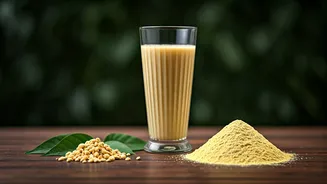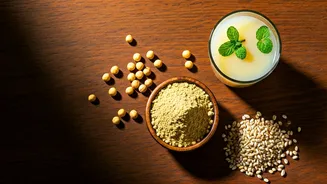



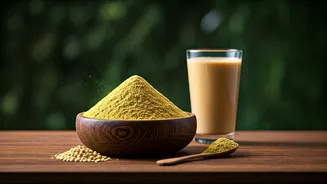



What Exactly is Sattu?
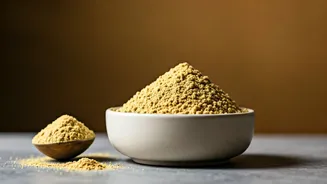
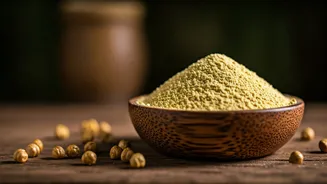
Before it became a wellness trend, sattu was—and still is—a staple food in states like Bihar, Jharkhand, and Uttar Pradesh. At its core, sattu is a flour made from roasted grains or legumes. The most common variety, and the one we're focusing on, is made from roasted Bengal
gram (kala chana), a type of chickpea. The traditional roasting process is key; it not only imparts a unique, nutty flavour but also preserves the nutrients and makes it easier to digest. For generations, it has been consumed as a simple, cooling drink mixed with water, salt, and lemon, known for providing instant energy to farmers and labourers under the scorching sun. Now, this versatile ingredient is finding its place in modern kitchens.
The Nutritional 'Supercharge'
The term 'supercharge' isn't just marketing fluff. Adding sattu to your smoothie brings a host of science-backed benefits. First, it’s an excellent source of plant-based protein, with roughly 20-25 grams per 100g, making it fantastic for muscle repair, satiety, and keeping hunger pangs at bay until lunch. It’s also packed with insoluble fibre, which is crucial for good digestion and maintaining a healthy gut. Unlike simple carbs that cause a rapid spike and crash in blood sugar, sattu is a complex carbohydrate with a low glycemic index. This means it releases energy slowly and steadily, providing sustained fuel for your morning. Additionally, it’s rich in essential minerals like iron, manganese, and magnesium, which combat fatigue and support overall metabolic health. Its traditional reputation as a cooling agent also makes it a perfect addition to your diet, especially in warmer climates.
How to Add Sattu to Your Smoothie
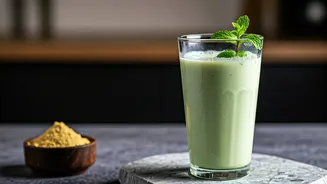
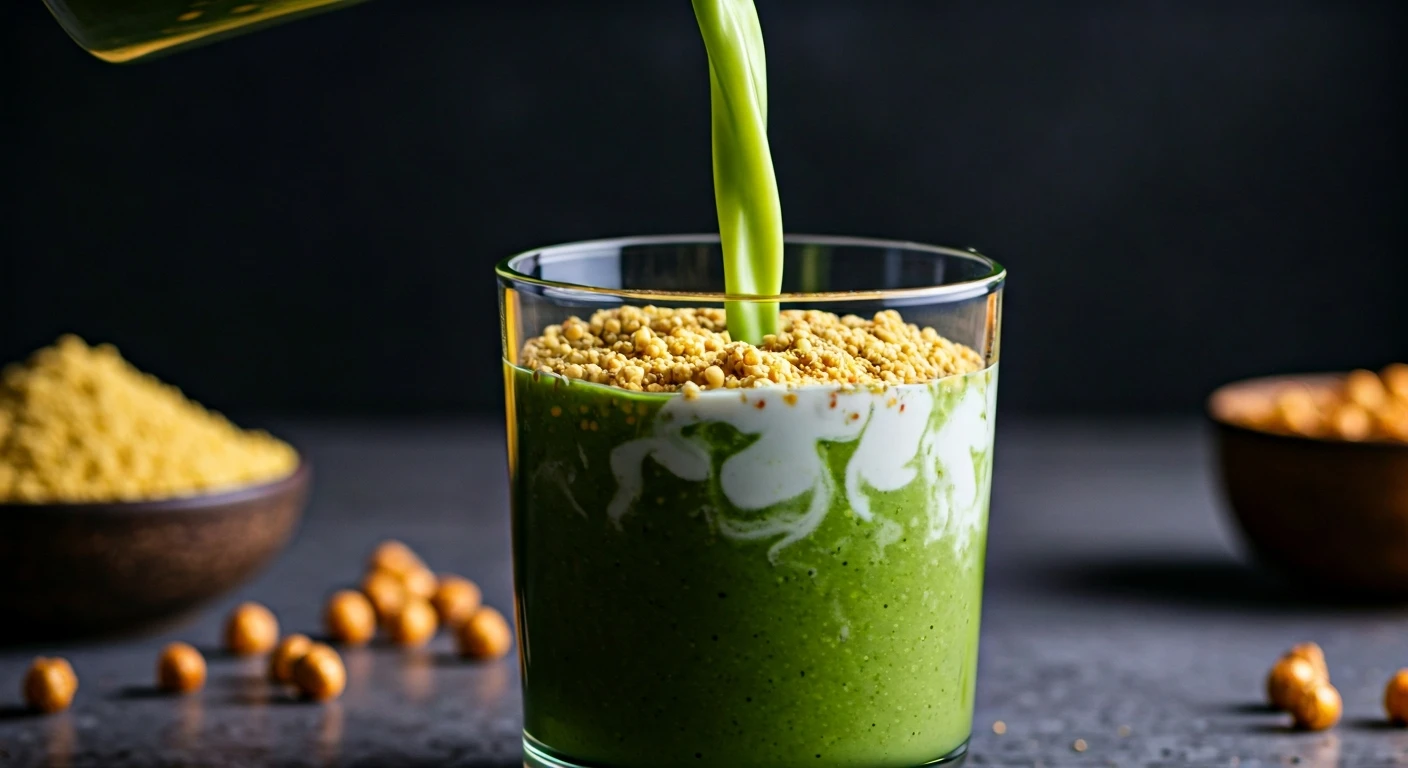
Incorporating sattu into your daily smoothie is incredibly simple. There are no complicated steps, but a few tips will ensure a delicious result. For a standard single-serving smoothie, start by adding one to two tablespoons of sattu flour. You can always add more once you're used to the taste and texture. Sattu has a distinct earthy, nutty flavour that pairs well with many ingredients, especially bananas, dates, and yoghurt. Be aware that sattu absorbs a lot of liquid, so it will naturally thicken your smoothie. You may need to add a little extra milk, water, or yoghurt to reach your desired consistency. Always add the sattu along with your other dry ingredients before blending to ensure it incorporates smoothly without clumping.
Simple Sattu Smoothie Recipes
Ready to get blending? Here are three easy starter recipes to get you inspired. 1. The Classic Protein Boost: Blend 1 ripe banana, 2 tablespoons of sattu, 200ml of milk (dairy or plant-based), 1 tablespoon of honey or a few dates, and a pinch of cardamom. This is a creamy, filling, and perfectly balanced breakfast. 2. The Green Gut-Health Smoothie: Blend a handful of spinach, half a green apple, 2 tablespoons of sattu, a squeeze of lemon juice, a small piece of ginger, and 250ml of water or coconut water. It’s a refreshing and fibre-rich way to start your day. 3. The Chocolate Lover's Delight: Blend 1 tablespoon of sattu, 1 tablespoon of unsweetened cocoa powder, 1 ripe banana, 200ml of milk, and a teaspoon of peanut butter. This tastes like a dessert but is packed with protein and nutrients.
Choosing and Storing Your Sattu
When buying sattu, look for packs that clearly state they are made from 100% roasted gram or chana. Many brands now offer fine-milled sattu that's perfect for drinks and smoothies. Avoid sweetened or flavoured varieties to have full control over your smoothie's taste and sugar content. Sattu is a relatively inexpensive protein source, making it a budget-friendly alternative to commercial protein powders, which are often filled with additives. Store your sattu flour in an airtight container in a cool, dry place to maintain its freshness and nutty aroma. Because it’s a natural product, it's best to use it within a few months of opening the package.