







Start with a Smart Menu
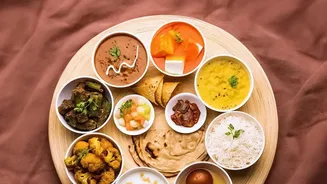
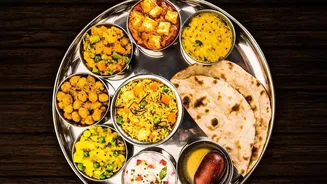
The foundation of a budget-friendly festival is a well-thought-out menu. Before you even think about shopping, sit down and plan what you want to cook. A detailed plan prevents last-minute panic buys and ensures you only get what you need. Focus on a few
star dishes rather than an overwhelming spread. Consider cost-effective proteins like whole chicken or ham instead of pricier cuts of meat. Building your menu around seasonal vegetables like carrots, sweet potatoes, and squash is another way to keep costs down. You can also include crowd-pleasing and filling dishes like biryani or casseroles, which stretch ingredients further. Once you have your menu, check your pantry for ingredients you already have to avoid buying duplicates.
The Art of Buying in Bulk
Bulk buying is a powerful tool for saving money, but it requires a strategy. It works best for items your family uses regularly and that have a long shelf life. For an Indian kitchen, this means stocking up on essentials like rice, atta (flour), lentils (dal), sugar, and cooking oils. These non-perishable staples are the backbone of festive cooking and are almost always cheaper per unit when bought in larger quantities. Spices are another area where bulk buying can be beneficial, but with a caveat. While whole spices like cloves and cardamom last a long time, ground spices lose their potency faster. It's wise to buy only what you'll use within a few months to ensure your dishes are flavourful.
Proper Storage is Key to Savings
Buying in bulk only saves money if the food doesn't spoil. Proper storage is crucial to protect your investment. Grains, flours, and spices must be kept in airtight containers to protect them from moisture, pests, and other odours. Stainless steel or glass jars are often recommended over plastic for long-term storage. Store these containers in a cool, dry, and dark place, away from the stove, as heat can degrade the quality of spices. For extra protection against pests in grains and flours, many Indian households use traditional methods like adding dried bay leaves or a few whole red chillies to the container. Taking the time to store your groceries correctly ensures they remain fresh and usable, preventing wastage.
Avoid These Common Bulk Buying Traps
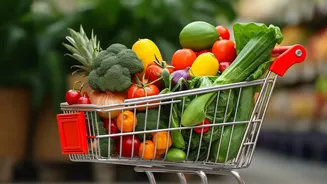
While beneficial, bulk buying can backfire if you're not careful. One of the biggest mistakes is buying items you don't use frequently just because they're on sale. This often leads to food waste, which costs you more in the long run. Another trap is underestimating storage space. Before you buy a 20kg bag of rice, ensure you have a proper place to store it. Also, be wary of perishable goods like fresh fruits and vegetables. Unless you are cooking for a very large crowd or plan to preserve them immediately, buying these in bulk often leads to spoilage. Finally, always check the unit price. A larger package isn't automatically a better deal, so a quick calculation can confirm you're actually saving money.
Creative Ways to Stretch Your Rupee
Beyond planning and bulk buying, other strategies can help manage festive food costs. Consider hosting a potluck, where you handle the main course and guests bring sides or desserts; this spreads the financial load and the cooking effort. Cooking from scratch instead of buying pre-made items like snacks, sauces, or sweets can lead to significant savings and often tastes better. Don't underestimate the power of using store brands for basic staples, as they are often cheaper than name brands with little difference in quality. Finally, get creative with leftovers. Yesterday's dishes can be transformed into new meals for the following days, reducing waste and extending your food budget even further.