





The Evolution of Iced Tea
For years, iced tea in most Indian cafes was a predictable affair: a pre-mixed powder stirred into cold water, often cloyingly sweet with a generic lemon flavour. It was a functional cooler on a hot day, but rarely a beverage to be savoured. Today, that
is changing dramatically. As part of a larger shift towards artisanal products, cafes are reimagining their iced tea menus from the ground up. The focus has moved to quality leaves, innovative brewing methods, and thoughtful flavour combinations that resonate with a new generation of consumers who value authenticity and wellness. This new wave of iced tea is less about a quick sugar rush and more about a premium, refreshing experience.
The Gentle Art of Cold-Brewing
At the heart of this transformation is the cold-brew method. Unlike traditional iced tea, which is brewed hot and then rapidly cooled with ice, cold-brewing is a slow, gentle process. Tea leaves are steeped in cold or room-temperature water for an extended period, typically between 6 to 12 hours. This patient technique has a profound impact on the final taste. Hot water can quickly extract tannins from the tea leaves, which are responsible for bitterness and astringency. Cold water, however, coaxes out the flavour compounds more delicately. The result is a tea that is incredibly smooth, naturally sweeter, and has a cleaner, more nuanced flavour profile, often requiring little to no added sugar.
A Modern Twist on Indian Heritage
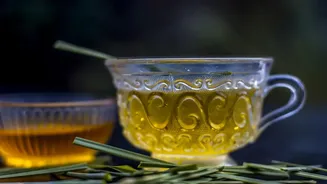
What makes this trend distinctly Indian is the choice of ingredients. Instead of relying on generic fruit flavours, cafes are turning to the familiar comfort of native herbs. The combination of lemongrass and Tulsi (Holy Basil) is proving to be a breakout star. Lemongrass provides a bright, zesty, and citrusy note that is instantly refreshing. Tulsi, revered in Ayurveda as the "Queen of Herbs," brings a complex, slightly peppery flavour and a wealth of wellness properties. It is known as an adaptogen, an herb that helps the body cope with stress. Together, they create a perfectly balanced beverage that is both invigorating and calming—a modern wellness tonic rooted in ancient tradition.
More Than a Drink, It's a Lifestyle
The rise of cold-brewed herbal teas is not happening in a vacuum. It is directly linked to a broader cultural shift among urban Indian consumers. As health and wellness become a priority, there is a growing demand for beverages that are clean, natural, and functional. Patrons are actively moving away from sugary sodas and artificial drinks, seeking out options that align with a healthier lifestyle. A cold-brewed Tulsi and lemongrass tea fits this demand perfectly. It offers hydration, flavour, and the perceived benefits of its all-natural ingredients without the guilt of high sugar content. It is a drink that makes you feel good, aligning with the mindful consumption values of a growing demographic.
The New Cafe Standard
What started as a niche offering in specialty or health-focused cafes is quickly becoming a mainstream expectation. The success of cold-brew coffee has paved the way for its tea counterpart, making customers more receptive to the concept of slow-brewed, premium beverages. For cafes, offering these artisanal blends is a way to stand out. It signals a commitment to quality and craft, elevating the entire customer experience. It shows they understand their audience's desire for products that are not only high-quality but also tell a story—in this case, a story that connects global cafe culture with local Indian heritage. This is the new standard for premium, everyday indulgence.