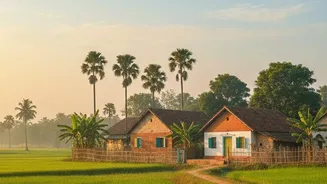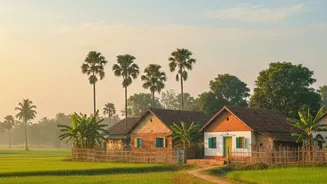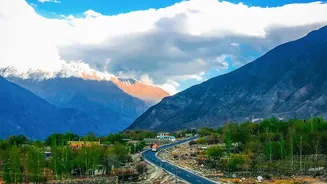








Tired of the crowded hill stations and overflowing beaches? A quieter, more meaningful travel experience is taking root across India. State governments are now championing eco-tourism, creating unique opportunities to explore the subcontinent's hidden
gems.
Beyond the Buzzword
For years, 'eco-tourism' was a vague term often co-opted by luxury resorts with a vegetable patch. Today, however, it represents a fundamental shift in travel philosophy, driven by official state policies. The new focus is on sustainability that goes beyond just green landscapes. It involves empowering local communities, preserving traditional livelihoods, and offering travellers an authentic immersion into a region's culture and nature. This model creates a win-win situation: local populations gain a stake in conservation and a steady income, while tourists enjoy experiences that are genuine, responsible, and far removed from the commercialised mainstream. It's about trading a generic hotel stay for a community-run homestay or a crowded safari for a guided nature walk with a village elder.
Kerala's Community-First Blueprint
Kerala has long been a pioneer in this space with its globally acclaimed 'Responsible Tourism Mission'. The state has successfully demonstrated that tourism can be a powerful tool for local development. Instead of building large, isolated resorts, the mission focuses on integrating tourism into existing village life. Travellers can experience local art forms, learn traditional crafts directly from artisans, and participate in village life experience tours. Initiatives in places like Kumarakom have not only helped clean up the backwaters but have also provided direct employment to hundreds of locals, particularly women, who run small-scale hospitality and guide services. This award-winning model ensures that the economic benefits of tourism are distributed at the grassroots level, making conservation a community-wide effort.
Sikkim’s Green Mandate
As India's first fully organic state, Sikkim has woven sustainability into its very identity. Its approach to eco-tourism is a natural extension of this green philosophy. The state government has enacted policies that prioritise low-impact tourism, promoting a network of homestays and small, locally-owned lodges over large hotel chains. This strategy helps preserve the fragile Himalayan ecosystem and the unique cultural fabric of its diverse communities. Destinations are developed with a focus on trekking, bird watching, and cultural tours that are managed by local cooperatives. By capping tourist numbers in sensitive areas and promoting a 'leave no trace' ethos, Sikkim ensures that its natural beauty remains pristine for future generations while providing sustainable livelihoods for its people.
Madhya Pradesh's Untouched Heart
Known as the 'Heart of India', Madhya Pradesh is leveraging its vast forests and rich tribal heritage to carve a niche in eco_tourism. While its tiger reserves are world_famous, the state tourism board is actively developing experiences in the buffer zones and surrounding rural areas. This includes promoting homestays, rural wellness centres, and responsible souvenir programmes that provide artisans with a platform. By creating attractions and livelihoods outside the core wildlife parks, the state is reducing pressure on sensitive animal habitats. This diversification allows travellers to experience the region's culture more deeply, from its culinary traditions to its folk arts, while contributing to a more sustainable and distributed tourism economy.
The Northeast Frontier
States across the Northeast are emerging as the next frontier for conscious travel, with governments taking proactive steps to manage tourism growth. Arunachal Pradesh, for instance, has rolled out policies that champion community_based tourism, empowering local tribes to host visitors in traditional homestays. This approach not only offers travellers an unparalleled authentic experience but also helps regulate tourist flow to protect the state's incredible biodiversity and cultural heritage. Similarly, Meghalaya's community_managed living root bridges are a testament to indigenous wisdom and sustainable tourism. These initiatives across the region are setting a new standard, proving that tourism can be a force for preserving, rather than diluting, local identity and the natural environment.