





From Gucci to Golgappe
For years, the 'flex' on social media was predictable. It was about showcasing a life of aspirational luxury: the logo-stamped handbag, the business-class flight, the infinity pool with a sunset view. But a quieter, more authentic revolution has been
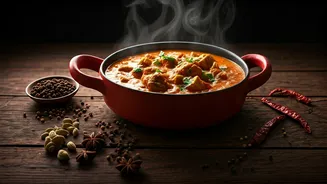
taking place in our kitchens and on our feeds. The new currency of cool isn't bought, it’s cooked. The ultimate status symbol is no longer what you own, but what you can create. Specifically, it's that perfectly spiced, mouth-watering, 'chatpata' dish that tastes like home. A well-made plate of chole bhature, a colourful bowl of bhel puri, or a video of pani puri being assembled with masterful speed now generates the kind of envy and engagement once reserved for a European holiday. This shift marks a move away from passive consumption towards active creation, celebrating skill, heritage, and the simple joy of a delicious meal.
The Pandemic’s Culinary Legacy
Much of this trend can be traced back to the lockdowns of 2020 and 2021. Confined to our homes, with restaurants closed and food delivery apps offering limited comfort, millions of Indians rediscovered their kitchens. For some, it was a necessity; for others, a hobby to combat boredom. The result was a collective culinary awakening. People who once boasted about not knowing how to boil water were now proudly sharing their lopsided rotis and first-attempt biryanis. This shared experience demystified cooking and turned it into a communal activity, even when we were physically apart. Social media became a digital potluck where friends exchanged recipes for Dalgona coffee and sourdough starters. That foundation of kitchen confidence never really went away. Instead, it evolved. The amateur efforts have now matured into a confident showcase of culinary prowess, with home food taking centre stage.
Anatomy of a Food Flex
What makes a homemade dish 'flex-worthy' on a 30-second Reel? It's not about Michelin-star plating or obscure, expensive ingredients. The new aesthetic is rooted in sensory satisfaction and relatability. It’s the satisfying sizzle of a tadka hitting dal, captured in slow-motion. It’s the hypnotic swirl of batter for a dosa. It’s the steam rising from a freshly opened pot of biryani, revealing the vibrant saffron-stained rice. The 'chatpata' element is key—it signifies a complexity of flavours (tangy, spicy, sweet, and savoury) that is quintessentially Indian and notoriously hard to perfect. Videos showcasing the process—the chopping, the grinding of masalas, the frying—are just as important as the final dish. This process-oriented content tells a story of effort, care, and tradition, making the final meal feel earned and infinitely more impressive than a restaurant-ordered dish.
The Relatable Food Creator
This trend has also democratised the idea of a 'food influencer'. The new stars aren't necessarily classically trained chefs in pristine white coats. They are home cooks—moms, dads, young professionals, and students—who have mastered their family’s recipes. Their kitchens look real, sometimes a little messy, and their appeal lies in their authenticity. They make food that an average person can realistically aspire to cook. They show you how to make your grandmother's fish curry or the perfect street-style pav bhaji. This relatability fosters a stronger connection with their audience. Followers don't just admire their food; they feel empowered to try the recipes themselves. It's a 'flex' that feels inclusive, celebrating the rich, diverse culinary heritage found in everyday Indian homes rather than an exclusive, unattainable ideal.
More Than Just a Meal
Ultimately, flexing your home-cooked meal is about more than just showing off your dinner. It is a powerful act of cultural expression and a celebration of identity. In a globalised world, a plate of homemade food is a connection to one's roots and family history. It’s comfort and nostalgia served on a platter. Sharing this online becomes a way of saying, 'This is who I am, and this is where I come from.' In an era of curated perfection and mental health awareness, showcasing a comforting, lovingly prepared meal is also an act of self-care. It represents a small, tangible victory in a chaotic world—a moment of control, creativity, and nourishment. It’s a flex that’s not about wealth, but about wellness; not about what you have, but about what you can give to yourself and others.