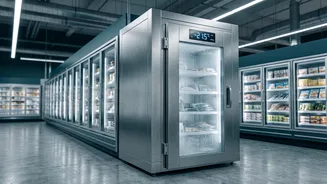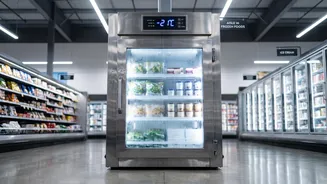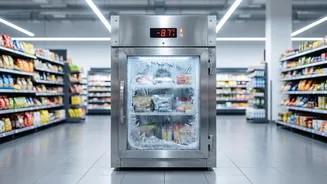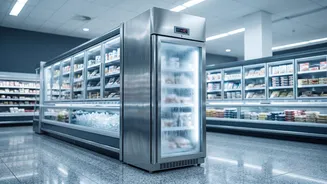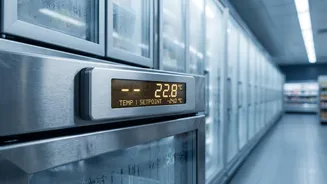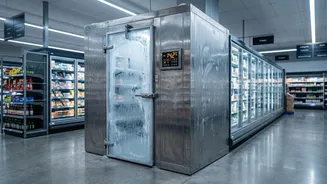







The frozen food aisle is a familiar sight, but its quiet hum now conceals a modern vulnerability. Recent cyberattacks across Europe are targeting supermarket refrigeration, turning connected freezers into tools of disruption.
From Smart Appliance to Attack Vector
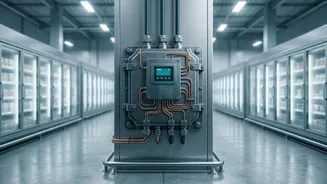
A modern supermarket refrigeration
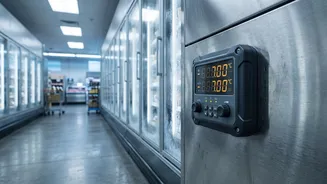
system is more than just a cooling unit; it's a piece of operational technology (OT) often connected to the internet. These 'smart' systems allow for remote monitoring and maintenance, enabling technicians to adjust settings or diagnose faults from afar. While efficient, this connectivity creates a new entry point for malicious actors. The issue is compounded by legacy systems—older controllers that were designed for reliability, not security, and may no longer receive software updates to patch emerging vulnerabilities. When these outdated but internet-exposed systems are discovered by hackers, they become a prime target.
The Anatomy of a Freezer Attack
Recent incidents across Europe provide a chilling blueprint of how these attacks unfold. In early November 2026, supermarkets in at least nine countries, including Belgium, Sweden, Ireland, and Italy, were targeted. Attackers gained remote access to refrigeration controllers overnight, manipulating their settings. In some cases, they activated a prolonged 'defrost mode', causing units to heat up. In others, they simply raised the temperature setting, sometimes to as high as 50°C (122°F). The attacks followed a similar, large-scale incident in France weeks earlier that affected hundreds of stores and caused millions of euros in damages. Often, the vulnerability lies in weak security practices, like leaving systems accessible online with default credentials.
Spoiled Food and Disrupted Supply Chains
The consequences of these cyber-physical attacks are immediate and tangible. Unlike data breaches where information is stolen, the goal here appears to be disruption. The most direct impact is massive food spoilage, forcing retailers to discard entire inventories of fresh and frozen products, from meat to dairy. Individual stores have reported losses ranging from tens of thousands to over €100,000. For consumers, it means empty shelves and reduced availability. For retailers, it represents significant financial loss and a blow to customer trust. An EU official described the wave of attacks as a 'deliberate attempt to disrupt our food supply chain'.
A Vulnerable Link in the Global Cold Chain
The problem extends far beyond the local supermarket. The entire 'cold chain'—the network of refrigerated warehouses, trucks, and distribution centres that keeps food safe from farm to fork—is increasingly digitized. This reliance on the Internet of Things (IoT) to monitor temperature-sensitive products like food and pharmaceuticals expands the potential attack surface. Experts warn that the same vulnerabilities found in supermarket freezers likely exist throughout the logistics network, where a single breach could have cascading effects. The incidents serve as a stark warning that digital security is now integral to operational resilience and physical food safety.
Strengthening Defences and Looking Ahead
In response to the growing threat to all connected devices, European regulators are taking action. The EU's Cyber Resilience Act (CRA), with key provisions taking effect from late 2026 and 2027, mandates that products with digital elements sold in the EU must be 'secure by design'. This legislation places the onus on manufacturers to build security into their devices from the start and provide ongoing vulnerability management. For businesses, cybersecurity experts recommend immediate practical measures: isolating control systems from the public internet, strengthening remote access with multi-factor authentication, and ensuring all software is kept up to date.