
The Promise of Monsoon Sowing
For many Indian gardeners, August represents a sweet spot. The intense heat of summer has subsided, and the monsoon rains have left the soil moist and the air humid—perfect conditions for seed germination. While early monsoon planting is popular, this
mid-monsoon window is ideal for many warm-season vegetables that thrive in humidity before the cooler, drier winter weather sets in. The key challenge, especially for urban gardeners, is managing the abundance of water. This is where container gardening shines, offering control over drainage and soil, but only if you get the fundamentals right.
Why Container Depth is Crucial
The single most overlooked factor in container gardening is the depth of the pot. It's not just about holding soil; it's about providing adequate space for a plant's root system to develop. A cramped root system leads to a stunted plant with poor yield, no matter how much you water or fertilise. Different plants have vastly different root structures. Some, like lettuce and herbs, have shallow, fibrous roots. Others, like tomatoes and gourds, send roots deep into the soil to anchor themselves and search for nutrients. Matching the plant to the pot ensures it has the foundation it needs to flourish. The monsoon season makes this even more critical, as good drainage in a sufficiently deep pot prevents roots from rotting in waterlogged soil.
Shallow Pots (6-9 inches deep)
These containers are perfect for plants with shallow root systems that grow quickly. They are ideal for window sills and smaller balconies. Use a wide, shallow tray or pot to give leafy greens space to spread out. Be mindful that smaller pots dry out faster, but during the monsoon, their excellent drainage is a major advantage. Suitable Plants: Leafy greens are your best friends here. Think Spinach (Palak), Amaranth (Chaulai), Coriander (Dhania), Mint (Pudina), and Lettuce. Most common culinary herbs like basil, chives, and parsley also do very well in these conditions. You can also grow quick crops like radishes (mooli).
Medium Pots (10-14 inches deep)
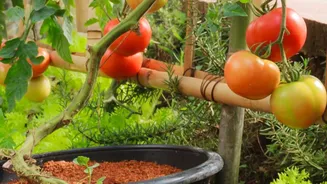
This is the most versatile size and a great starting point for any container gardener. These pots offer a good balance of soil volume for root growth while still being manageable. A 10-12 inch pot is often cited as a reliable choice for a wide variety of vegetables. Suitable Plants: This is the category for many household favourites. Bush beans, Okra (Bhindi), and many varieties of Brinjal (Baingan) are excellent choices. You can also successfully grow chillies, peppers, and smaller or determinate varieties of tomatoes. Root vegetables with shorter varieties, like carrots and beets, can also be grown.
Deep Pots (15 inches deep or more)
Deep containers are for the ambitious gardener and the heavy-producing plants. These large pots, sometimes 18-24 inches deep, are essential for plants with extensive root systems or vining habits. They hold more soil and moisture, providing the stability and nutrients these larger plants need to support their growth and fruit production. Ensure you have strong trellis support for any vining vegetables. Suitable Plants: This is the domain of the gourds. Bottle Gourd (Lauki), Ridge Gourd (Turai), and Bitter Gourd (Karela) are classic monsoon vegetables that need this space. Larger, indeterminate tomato varieties also require a deep pot to reach their full potential. If you have a large enough container, even pumpkins (Kaddu) can be grown.
Monsoon Success Tips
Beyond pot size, a few extra steps can ensure a healthy August harvest. First, drainage is non-negotiable. Ensure every pot has multiple drainage holes and is not sitting in a saucer full of water. Use a light, well-aerating potting mix; you can add coco-peat or sand to improve heavy soil. Don't overwater; always check if the top inch of soil is dry before watering again, as monsoon humidity means less evaporation. Finally, good airflow is crucial to prevent the fungal diseases that thrive in damp conditions, so avoid crowding your plants.