


The Lithium Bottleneck
The heart of every electric vehicle is its battery, and for the last decade, lithium-ion has been the undisputed king. It packs a lot of power into a relatively small and light package. However, this performance comes at a price. The key ingredients,
lithium and cobalt, are scarce, geographically concentrated, and subject to volatile pricing. For India, which imports the vast majority of its lithium-ion cells, this creates a significant dependency and keeps the costs of EVs stubbornly high. This is especially true for the two-wheeler segment, where price sensitivity is paramount and the battery can account for up to 40% of the vehicle's total cost.
Enter Sodium-Ion: The Salt-Powered Solution
Scientists and engineers have long sought a more sustainable and affordable alternative, and they found it in a surprisingly common element: sodium. It's the same element found in table salt and is the sixth most abundant on Earth. Sodium-ion batteries work on a principle similar to their lithium-ion cousins, shuttling ions between two electrodes to store and release energy. The key difference is the raw material. By replacing expensive and supply-constrained lithium with cheap, abundant sodium, the fundamental cost structure of the battery is transformed. This makes them significantly cheaper to produce, with some estimates suggesting a 20-30% cost advantage at scale.
The Perfect Fit for City Scooters
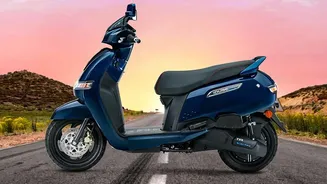
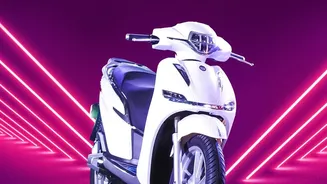
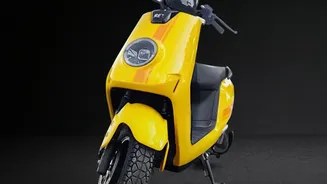
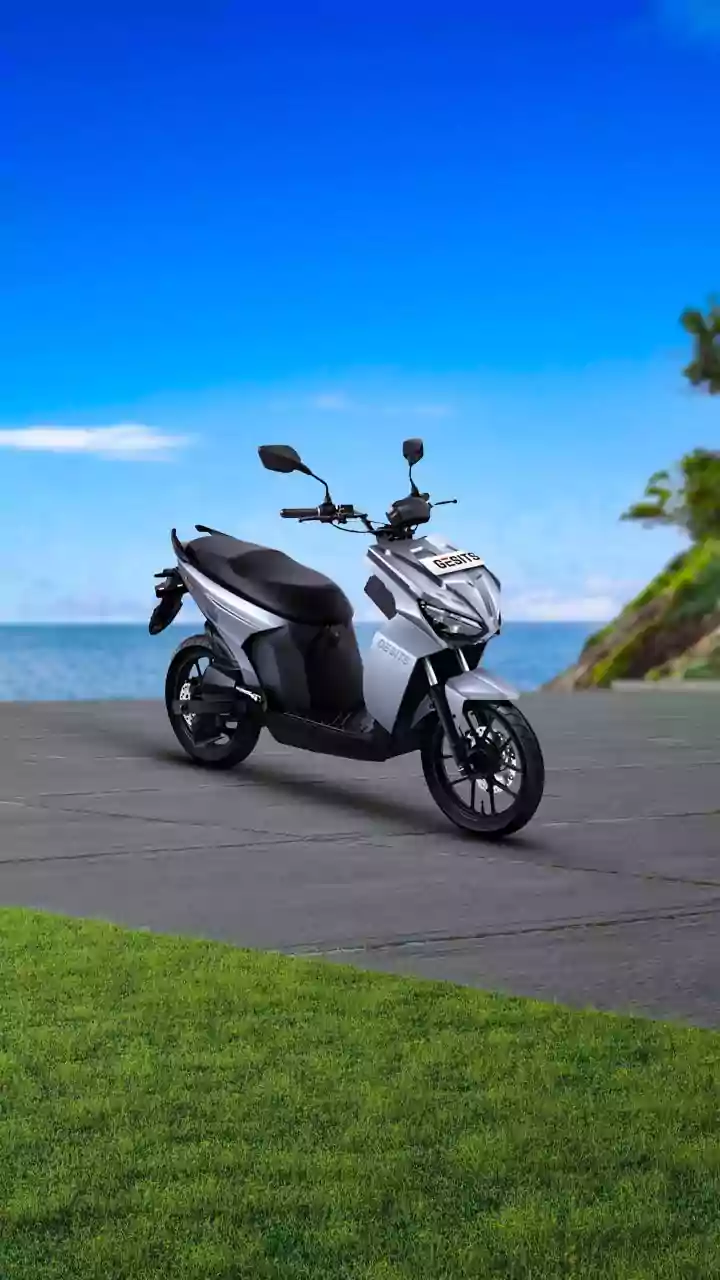
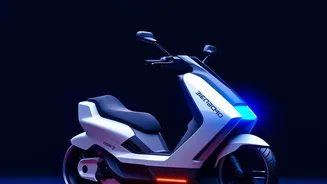
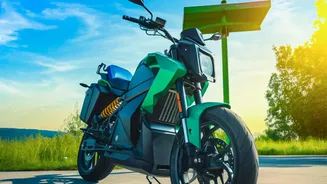
Of course, there are trade-offs. The primary drawback of current sodium-ion technology is its lower energy density. This means a sodium-ion battery is typically heavier and bulkier than a lithium-ion battery of the same capacity, resulting in a shorter range. While this makes it less suitable for high-performance electric cars demanding long-distance travel, it's a perfect match for entry-level electric scooters. These vehicles are primarily used for short, daily city commutes where a massive range isn't a priority. For a rider whose daily travel is 30-50 kilometres, the slightly lower range is a small price to pay for a much lower purchase price. Furthermore, sodium-ion batteries boast superior safety, with better thermal stability and a lower risk of fire. They also perform more reliably in a wider range of temperatures, a crucial advantage in India's varied climate.
The Indian Push for Self-Reliance
This technological shift aligns perfectly with India's goals of 'Aatmanirbhar Bharat' (self-reliant India) and energy independence. Several Indian companies are already making significant strides in this space. Reliance Industries made a major move by acquiring UK-based sodium-ion pioneer Faradion. Meanwhile, startups like Indi Energy, GODI Energy, and Rechargion are developing homegrown sodium-ion technology. Indi Energy is even using agricultural waste to create a key component for its anodes, turning a local environmental problem into a part of the solution. With government support through policies promoting clean energy and local R&D, a domestic ecosystem for sodium-ion battery production is beginning to take shape.
When Will We See Cheaper Scooters?
The year 2026 is seen as a breakout moment for the commercialisation of sodium-ion batteries globally, moving from demonstration to deployment. While mass production in India has not yet begun, the groundwork is being laid. Experts project that large-scale deployment in electric two-wheelers and three-wheelers in India could happen between 2026 and 2028. As Indian manufacturers scale up production, the cost benefits will start trickling down to the showroom. This won't happen overnight, but the industry is moving quickly. Pilot programs are underway to validate performance in real-world Indian conditions, which will pave the way for wider adoption. The initial impact will likely be felt in the most cost-sensitive, entry-level segment of the market, which represents the largest volume of sales.