


The Rise of a New-Age Crunch
Walk into a trendy cafe in any major Indian city, and you might notice a new addition to the snack menu, nestled between the avocado toast and the quinoa salad. It’s the lotus stem chip. Known affectionately as 'kamal kakdi' in Hindi or 'nadru' in Kashmiri,
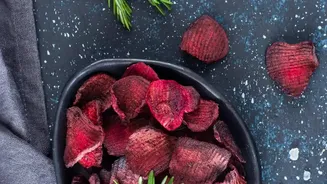
the edible stem of the lotus flower has been a part of Indian cuisine for centuries. Traditionally used in curries, pickles, and stir-fries, this humble vegetable is now getting a glamorous, health-conscious makeover. Sliced paper-thin and seasoned with everything from classic salt and pepper to fiery peri-peri or tangy chaat masala, these chips are finding favour with a generation of snackers who demand both flavour and nutrition.
What Makes It a Healthier Choice?
The secret to the lotus stem chip’s appeal lies in its dual advantage: the inherent goodness of the vegetable and the modern cooking method. Lotus stem is naturally low in calories and fat but rich in nutrients. It's an excellent source of dietary fibre, which aids digestion and promotes a feeling of fullness. It is also packed with Vitamin C, a powerful antioxidant that boosts immunity and promotes healthy skin by aiding collagen production. Furthermore, it contains essential minerals like potassium, which helps regulate blood pressure, and copper and iron, which are vital for energy production and blood health. When these nutritious slices are air-fried instead of deep-fried, their health quotient shoots up. The air-frying process uses significantly less oil, drastically cutting down the fat and calorie content while still achieving that satisfying, addictive crispiness.
A Taste of Tradition, Reimagined
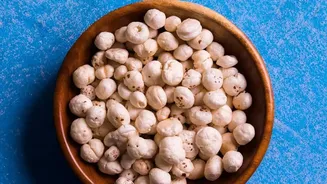
This trend isn’t just about a single snack; it’s part of a larger movement across India towards embracing regional, traditional ingredients. As consumers become more health-conscious, there's a growing appreciation for the wisdom embedded in local food cultures. Ingredients like millets, makhana (fox nuts), and now kamal kakdi are being rediscovered and presented in formats that appeal to the modern, urban palate. The lotus stem chip is a perfect example. It has a unique, lace-like appearance and a subtly sweet, earthy flavour that is distinct from a potato chip. Its crunchy-yet-light texture makes it an ideal companion for a cup of chai or a cool beverage. Cafes are experimenting with gourmet flavourings like sweet chili, butter garlic, and even satay glazes, transforming a simple vegetable into a sophisticated snack.
Beyond the Cafe Menu
The popularity of these chips in cafes is inspiring home cooks to try their hand at making them as well. The process is surprisingly simple, especially for those who own an air fryer. It involves slicing the lotus stem thinly, seasoning it with a bit of oil and your favourite spices, and then air frying for about 10-15 minutes until golden and crisp. This DIY approach allows for complete control over ingredients, making it an even healthier option. Food bloggers and nutritionists are sharing recipes online, encouraging people to ditch processed snacks for this homemade, nutrient-dense alternative. This grassroots enthusiasm suggests that lotus stem chips are more than just a passing fad; they are becoming a staple in the modern Indian snack repertoire.