








More Than a Hotel with a Spa
For years, 'wellness travel' might have meant a hotel with a decent gym and a spa offering massages. Today, the concept has evolved into something far more integrated. It’s no longer an add-on; it's the entire philosophy. Wellness tourism is defined as travel to maintain
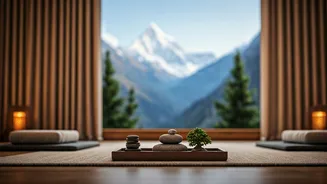
or enhance one’s personal wellbeing. This represents a fundamental shift from passive relaxation to proactive rejuvenation. Instead of simply providing facilities, leading resorts are creating immersive ecosystems designed to restore mind and body. This can include everything from mindful architecture that incorporates natural light and materials to curated activities like meditation workshops, nature walks, and sound healing sessions. The goal is to move beyond temporary pampering and toward lasting lifestyle changes.
The Drivers of a New Travel Era
What’s fuelling this transformation? A major factor is a global shift in priorities, accelerated by the pandemic. Increased stress and burnout have led many to seek more than just an escape; they want a genuine reset. There's a growing desire for 'transformative travel'—journeys that inspire personal growth and self-discovery. Travellers are increasingly seeking authentic experiences that connect them to nature, local culture, and themselves. This conscious consumerism also extends to sustainability, with many travellers preferring eco-friendly resorts that have a positive impact on the local community. As a result, the wellness tourism market is booming, with projections showing it growing into a trillion-dollar industry.
What Integrated Wellness Looks Like
In practice, this new breed of travel is highly personalised. Resorts like Chiva-Som in Thailand, Kamalaya in Koh Samui, and Santani in Sri Lanka have become global benchmarks. They offer programmes that blend ancient healing traditions with modern science. A stay might begin with a consultation to create a tailored plan that includes specific nutritional guidance, fitness activities, and mental wellness practices. Itineraries are built around holistic goals, whether it's for stress reduction, a digital detox, improving sleep, or emotional healing. For example, resorts may offer expert-led workshops, cooking classes with a focus on farm-to-table cuisine, or guided outdoor adventures that immerse guests in nature, which is seen as a cornerstone of wellness.
Beauty Gets a Deeper Meaning
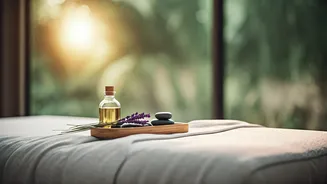
The integration of beauty into this trend goes far beyond a standard facial. It’s about treating beauty as an extension of overall health. Many travellers now incorporate beauty rituals as a form of self-care while on holiday. High-end wellness resorts are responding by offering advanced, medically-supervised aesthetic treatments, often blurring the line between a spa and a clinic. Think personalised skincare consultations, longevity-focused therapies, and even neuro-health programs designed to improve brain function. In-room amenities are also getting a major upgrade, with hotels providing spa-quality organic bath products, aromatherapy diffusers, and pillow menus to enhance sleep quality, a critical component of both beauty and wellness.
The Future of Your Holiday
As this trend moves from niche to mainstream, it will continue to redefine the travel landscape. We can expect to see more accessible and affordable wellness retreats, as well as specialised programmes catering to specific needs like family wellness or addiction recovery. Technology will also play a larger role, with apps and wearables helping to create and track personalised health plans during a trip. The ultimate vision is a form of travel that is not only restorative but also preventative, where a vacation becomes a powerful tool for investing in your long-term health and happiness. The choice is becoming clearer: you can take a trip that drains you, or one that truly renews you.