






An Uneven Forecast
The India Meteorological Department (IMD) has projected a “below-normal” monsoon for 2026, with seasonal rainfall expected to be around 90% of the Long Period Average (LPA). This marks one of the weakest forecasts in recent years, driven largely by the development
of El Niño conditions in the Pacific Ocean, a phenomenon historically linked to suppressed rainfall in India. Forecasters have indicated an 84% probability of the season being either below-normal or deficient. While the monsoon's arrival saw a weak start with significant deficits in June, the primary concern lies in the second half of the season. Forecasts specifically point to below-normal rain in August and September, which are critical months for crop growth.
The Critical Link to Agriculture
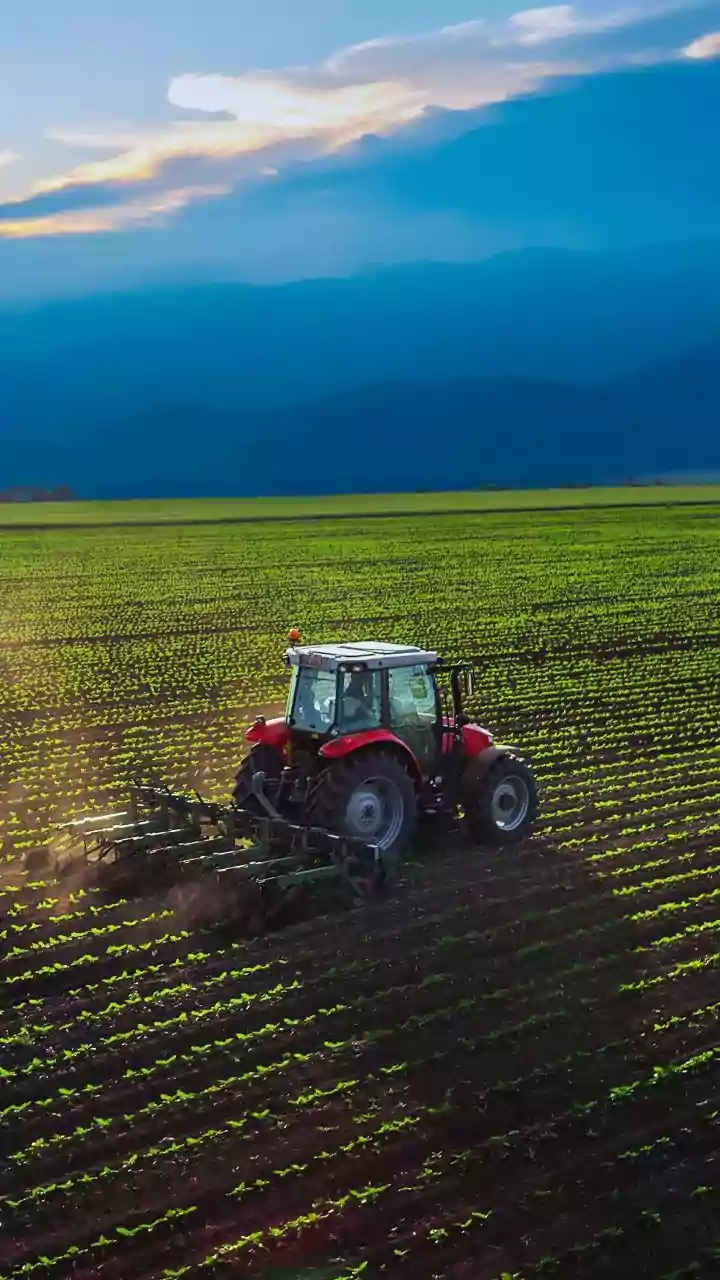
The monsoon's performance is directly tied to the fate of India's kharif (summer) crops, which are sown during this period. A staggering 45% of the country’s net sown area is rain-fed, making millions of farmers entirely dependent on seasonal showers for irrigation. A weak or poorly distributed monsoon places several key crops at risk. These include essential staples like rice and pulses, as well as vital commodities such as oilseeds (soybean, groundnut), cotton, and sugarcane. Officials have already identified hundreds of districts as vulnerable to the impact of a rainfall deficit, prompting contingency planning. If rains fail during the crucial flowering and seed-setting stages, crop yields can suffer significantly, leading to lower agricultural output across the country.
What It Means for Your Grocery Bill
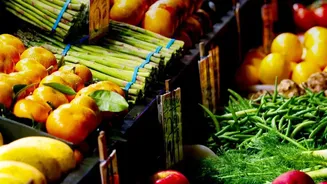
For the average consumer, the most direct impact of a poor monsoon is felt at the checkout counter. Reduced agricultural output tightens supply, which in turn can drive up food prices. While the government currently holds comfortable buffer stocks of staple grains like wheat and rice, which helps cushion against immediate price shocks, other daily necessities are more vulnerable. Market analysts warn that consumers should brace for potential price hikes in vegetables, pulses (dals), and edible oils if the monsoon continues its weak trend. Food inflation remains a persistent concern for economic planners, and an erratic monsoon is one of its biggest triggers. The final cost to your kitchen budget will depend on how the rest of the season unfolds and how well rainfall is distributed across different agricultural belts.
The Broader Economic Ripple Effect
The consequences of a weak monsoon extend beyond the grocery store. The agricultural sector employs nearly half of India’s workforce, and poor crop yields directly hit farm incomes. This reduction in rural earnings has a significant knock-on effect on the broader economy. With less disposable income, rural demand for a wide range of consumer goods—from fast-moving consumer goods (FMCG) and personal care items to tractors and two-wheelers—tends to fall. This slowdown in rural consumption can impact the sales and margins of many major companies. Furthermore, rising food prices contribute to overall headline inflation, which can influence the Reserve Bank of India's decisions on interest rates, affecting borrowing costs for everyone.