

Why Texture Can Go Wrong
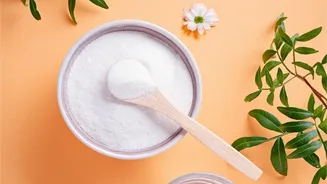
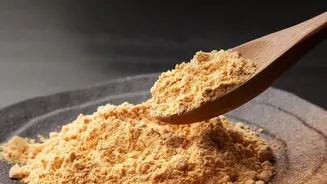
That unpleasant powdery mouthfeel often comes down to science. Protein powders, especially lower-quality ones, have particles that don't dissolve easily in liquid. Some are hydrophobic, meaning they naturally repel water, which leads to clumping. Plant-based
proteins like pea or soy can also have a naturally grittier texture than whey or casein due to their higher fibre content. Furthermore, adding powder to very hot liquids can cause the protein to 'cook' or denature, forming rubbery lumps that are impossible to break down. The key to success is using methods and ingredients that help the powder hydrate and integrate smoothly.
Master the Mix: Technique Matters
How you combine ingredients is as important as what you use. The golden rule is to always add your liquid to the container first, then the powder. This prevents the powder from forming a dry, clumpy sludge at the bottom. For hot dishes like soups or oatmeal, avoid adding powder directly to the heat. Instead, create a 'slurry' by whisking the powder with a small amount of cold or room-temperature liquid in a separate bowl until it forms a smooth paste. You can then stir this paste into your warm dish at the end of the cooking process to prevent clumping and curdling.
The Power of Moisture and Fat
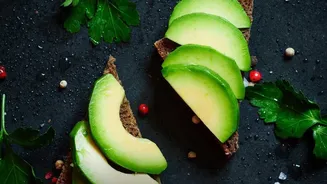
Moisture is your best friend when masking protein powder. Ingredients with high water content and natural fats help create a creamy, smooth consistency. Think of incorporating things like Greek yoghurt, cottage cheese, unsweetened applesauce, or puréed vegetables like pumpkin or sweet potato. Fats from nut butters, avocado, or full-fat milk also act as emulsifiers, helping to suspend the protein particles evenly and eliminate grittiness. A spoonful of peanut butter or a quarter of an avocado can dramatically improve the final texture.
Perfect for Hiding: Smoothies and Puddings
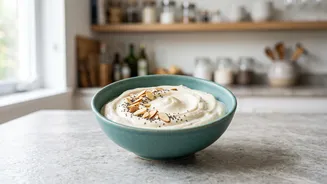
The most forgiving recipes are those that are blended or naturally thick. Smoothies are a classic for a reason. Using a high_speed blender, frozen fruit like bananas or mangoes, and a creamy base like almond milk or yoghurt can completely hide any powder texture. The ice crystals and fruit fibres do a remarkable job of creating a silky consistency. Similarly, overnight oats and chia puddings are excellent vehicles. As they sit overnight, the protein powder has ample time to fully absorb liquid and dissolve, leaving no trace of chalkiness behind. A chocolate protein powder mixed with Greek yoghurt can create a surprisingly decadent and healthy pudding.
Success in Baked Goods
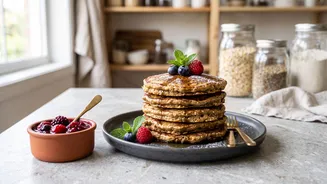
Baking offers another great way to sneak in protein, but it requires a careful approach. Don't simply replace all the flour with protein powder, as this will result in a dry, dense product. A good rule of thumb is to substitute about one third of the flour with protein powder. To counteract the drying effect, be sure to add extra moisture through ingredients like mashed bananas, yoghurt, or vegetable purées. Protein pancakes, muffins, and even cookies can be successful when you maintain this balance. Also, be careful not to overmix the batter, as this can make the final product tough.
Surprising Savoury Solutions
Don't limit yourself to sweet applications. Unflavoured protein powder can be a 'stealth ingredient' in a wide range of savoury dishes. After making a slurry, you can whisk it into soups, stews, and sauces to add a protein boost without altering the flavour. It works especially well in creamy tomato soup or to thicken a pasta sauce. You can also mix it into meatballs, veggie patties, hummus, or even mashed potatoes to increase the nutritional density of your meal.